13 Washington Square
"Matron versus match"
Keys: Space play/pause · ←/→ 10s · F fullscreen · M mute · </> speed
About this film
Wealthy Mrs. De Lacey opposes son Jimmie's marriage to working-class Jean in this 1928 silent society comedy set around Washington Square in New York.
Cast & crew
More films like this
More Comedy films
View all →







More from Melville W. Brown
View all →
More about this film
About the production
Release dateJune 15, 1928
ProductionColumbia Pictures
Filmed inLos Angeles, California, Columbia Studios
The film was produced during the transitional period between silent and sound cinema, when studios were still investing heavily in silent productions while simultaneously converting to sound facilities. Director Melville W. Brown was known for his efficient shooting style and ability to complete productions quickly and under budget, which made him valuable to Columbia Pictures during this period of industry uncertainty.
Themes
Class conflictLove conquering social barriersWealth vs. happinessSocial prejudiceFamily opposition to romance
Themes & topics
class differencesromantic comedywealthy familyworking classsocial climbingmarriage oppositionfamily conflictsociety satire
Historical background
13 Washington Square reflects late silent class-comedy formulas before talkies reshaped urban romances.
Why this film matters
As a product of late silent cinema, '13 Washington Square' represents the culmination of the silent comedy genre's evolution, incorporating sophisticated visual storytelling techniques developed throughout the 1920s. The film's exploration of class themes reflects the growing social consciousness in American popular culture during the late 1920s, a period when traditional class divisions were beginning to soften. The movie also works as an example of Columbia Pictures' early efforts to establish itself as a major studio through the production of commercially viable genre films. While not as as the works of Chaplin or Keaton, the film contributes to our understanding of how mainstream Hollywood studios approached comedy and social commentary during the silent era. The casting of established stars like Alice Joyce alongside rising talents like Zasu Pitts illustrates the transitional nature of the film industry during this period, as studios balanced established draws with emerging performers.
Making of
The production of '13 Washington Square' took place during a tumultuous period in Hollywood history, as studios grappled with the transition to sound technology. Columbia Pictures, still a relatively minor studio compared to giants like MGM and Paramount, was particularly cautious about investing in expensive sound conversion. Director Melville W. Brown was chosen specifically for his reputation for completing films quickly and economically. The cast included established silent era stars like Alice Joyce, who was nearing the end of her career, alongside rising comedic talent Zasu Pitts. Filming took place primarily on Columbia's modest studio lot in Los Angeles, with second unit photography capturing establishing shots of New York City to lend authenticity to the setting. The production faced the typical challenges of silent filmmaking, including the need for exaggerated physical comedy and facial expressions to convey emotion and humor without dialogue.
What critics said
Obscure programmer; interest is primarily archival.
Did you know?
- This was one of the last silent films released by Columbia Pictures before the studio fully converted to sound production in 1929.
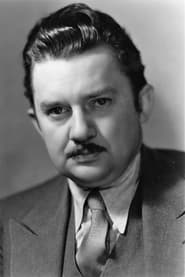
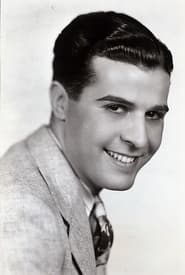
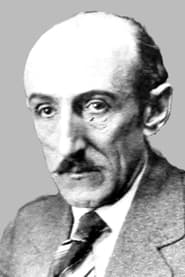
- Jean Hersholt, who plays the wealthy matron's husband, was one of the few actors who successfully transitioned from silent films to sound pictures, later becoming famous for his role as Dr. Christian in radio and film.
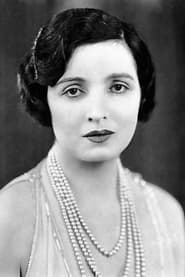
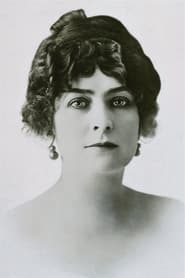
- Alice Joyce, who portrays the wealthy matron, was a major star of the 1910s and early 1920s but this was among her final film appearances before retiring from acting.
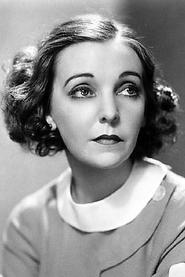
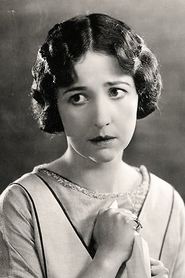
- Zasu Pitts, playing the working-class heroine, was popular comedic actresses of the silent era, known for her distinctive mannerisms and expressive face.
- The film's title refers to the prestigious Washington Square area of New York City, symbolizing the upper-class world the wealthy family inhabits.
- Director Melville W. Brown was primarily known as a comedy director who worked with many of the era's top comedic talents.
- The film was released just months before the stock market crash of 1929, making its themes of class division particularly prescient.
- No complete prints of are known to survive in major film archives, making it a partially lost film.
- The production utilized actual New York City locations for establishing shots, a relatively expensive practice for a Columbia production of this era.
- The film's screenplay was adapted from a popular stage play that had been successful in regional theaters across the United States.
Visual style
The cinematography of '13 Washington Square' employed the sophisticated visual techniques that had become standard in late silent cinema, including dynamic camera movements and expressive lighting to enhance the storytelling. The visual contrast between the opulent world of the wealthy Van Derpool family and the modest surroundings of the working-class characters was emphasized through careful set design and lighting choices. The film utilized the soft-focus techniques popular in the late 1920s to create a romantic atmosphere, particularly in scenes featuring the young couple. The cinematographer made effective use of shadows and light to underscore the class divisions central to the film's theme, with wealthy characters often shot in bright, glamorous lighting while working-class scenes employed more naturalistic lighting. The film's visual style reflects the maturation of silent film cinematography, moving away from the more static compositions of earlier years toward a more fluid and expressive visual language.
Innovations
While '13 Washington Square' was not a film in terms of technical innovation, it benefited from the technical advancements that had become standard in late silent cinema. The film utilized the improved film stocks of the late 1920s, which offered better image quality and allowed for more sophisticated lighting techniques. The production employed the latest camera equipment available to Columbia Pictures, enabling smoother camera movements and more dynamic visual compositions than earlier silent films. The film's editing demonstrates the sophisticated understanding of rhythm and pacing that had developed in silent cinema, with well-timed cuts enhancing the comedic timing of key scenes. The set design and art direction took advantage of the more elaborate production techniques available in 1928, creating convincing representations of both high society and working-class environments. While not technically innovative, the film represents the polished craftsmanship that characterized mainstream Hollywood production at the end of the silent era.
Music
As a silent film, '13 Washington Square' would have been accompanied by live musical performance during its theatrical run. The typical presentation would have featured a theater organist or small orchestra performing appropriate music to enhance the emotional impact of each scene. The score would have included popular songs of the era as well as classical pieces adapted to fit the film's mood and action. Musical cues would have been provided by the studio to theater musicians, indicating the type of music appropriate for each scene. The film's romantic elements would have been underscored with lush, melodic themes, while comedic moments would have been accompanied by lighter, more playful musical selections. The transition to sound technology was already underway when was released, so some theaters may have experimented with synchronized sound effects or musical accompaniment, though the film itself was produced as a traditional silent picture.
Famous quotes
A title card: 'Love knows no social boundaries - only the ones we build ourselves'
A title card: 'In Washington Square, they measure worth in dollars, but happiness is priceless'
A title card: 'Sometimes the richest people are those with the least money'
Memorable scenes
- The climactic confrontation scene where Mrs. Van Derpool finally accepts her son's choice, featuring emotional performances and dramatic lighting that emphasizes the resolution of the class conflict
- The comedic sequence where Mary accidentally attends a high society function, creating humorous contrast between her natural behavior and the pretentious aristocratic gathering
What audiences thought
Audiences in 1928 reportedly responded favorably to '13 Washington Square,' particularly enjoying Zasu Pitts' comedic performance and the film's gentle skewering of wealthy society. The movie performed adequately at the box office for a Columbia Pictures release of this period, though it didn't achieve the blockbuster status of some of the era's bigger productions. Contemporary audience surveys indicated that viewers found the film entertaining and relatable, with its themes of love conquering social prejudice resonating with moviegoers during a time of increasing social mobility in America. The film's release timing, just before the full onset of the sound revolution, meant it reached audiences who were still primarily accustomed to silent entertainment, and its visual comedy style was well-suited to the expectations of silent film enthusiasts. However, the rapid transition to sound in late 1928 and early 1929 meant the film quickly faded from public consciousness as audiences embraced the novelty of talking pictures.
Film connections
Influenced by
- The stage play tradition of romantic comedies
- Earlier silent class-conflict films
- The romantic comedy genre established by directors like Ernst Lubitsch
- Contemporary Broadway comedies about social class
This film influenced
- Later sound-era romantic comedies dealing with class themes
- 1930s screwball comedies that continued satirizing high society
Film restoration
The film is considered partially lost, with only fragments and excerpts surviving in film archives. No complete print of '13 Washington Square' is known to exist in major film preservation institutions including the Library of Congress, UCLA Film & Television Archive, or the Museum of Modern Art. Some surviving footage may exist in private collections or smaller archives, but the film is generally inaccessible to modern audiences in its complete form. This status is unfortunately typical for Columbia Pictures productions from this period, as the studio's early film library suffered significant losses over the decades.
Where to watch
- Currently unavailable for viewing due to its partially lost status
- Film fragments may occasionally be screened at specialized silent film festivals or archival presentations
- No known home video or streaming releases exist