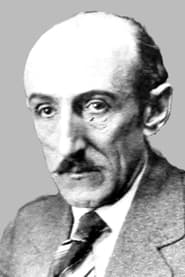
Jack McDonald
Actor
Born: May 17, 1880 in San Francisco, California, USA Died: February 23, 1942 Active: 1911-1932
Films
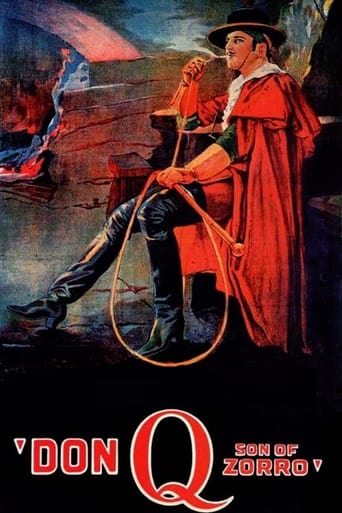
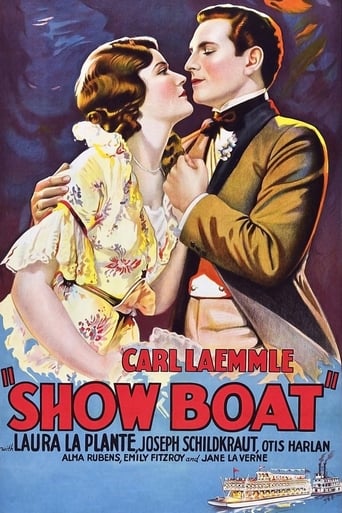
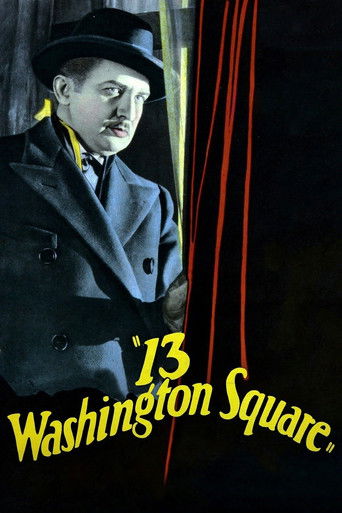
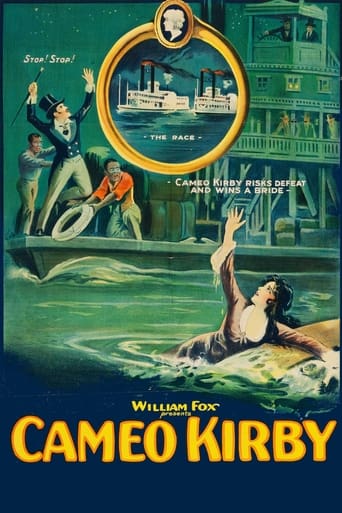
7 films
About Jack McDonald
Prolific character actor during the silent film era and early sound period, appearing in over 200 films between 1911 and 1932. He specialized in playing authority figures, villains, and stern patriarchs due to his imposing stature and distinctive facial features. McDonald worked with many of the era's biggest stars including Douglas Fairbanks, Mary Pickford, and Lon Chaney, often serving as a reliable supporting presence in their productions. His the entire golden age of silent cinema, and he successfully made the transition to talkies, though his roles became smaller as the industry evolved. Known for his professionalism and consistency, McDonald — favorite among directors for dependable character work. He continued acting until the early 1930s before retiring from the film industry.
The Craft
On Screen
McDonald was known for his naturalistic yet expressive style in silent films, using his imposing physical presence and facial expressions to convey authority and emotion. He specialized in playing stern, authoritative figures and villains, bringing gravitas to supporting roles. His technique emphasized clear physical gestures and expressions that translated well to the silent medium, making him particularly effective in dramatic confrontations and as an antagonist to the leading heroes.
Milestones
- Appeared in over 200 films during silent era
- Worked with Douglas Fairbanks in multiple films
- Successfully transitioned from silent to sound films
- Played character roles opposite major stars like Mary Pickford
- Prolific career spanning two decades of early cinema
Best Known For
Iconic Roles
Must-See Films
Working Relationships
Worked Often With
Studios
Why They Matter
Impact on Culture
Jack McDonald represents the quintessential character actor of early Hollywood, whose reliable performances helped establish the foundation of American cinema. His extensive filmography provides a valuable record of the evolution of film acting from the early 1910s through the transition to sound. As a supporting actor who appeared in numerous films with major stars, McDonald contributed to the success of many classic silent films that are now considered landmarks of cinema history. His work exemplifies the importance of character actors in creating believable worlds and providing essential dramatic support to leading players.
Lasting Legacy
Jack McDonald's legacy lies in his remarkable body of work that spans the formative years of American cinema. While never a star, his consistent and professional contributions to over 200 films helped shape the visual language of silent cinema. His ability to adapt to the changing technology and styles of filmmaking, successfully transitioning from silent to sound films, demonstrates his versatility as an actor. Today, film historians and classic cinema enthusiasts recognize McDonald as an important figure in the ensemble casts that made Hollywood's golden age possible.
Who They Inspired
McDonald influenced subsequent generations of character actors through his demonstration of how supporting roles could be essential to a film's success. His professional approach and reliability set a standard for character actors in Hollywood. While he didn't mentor specific individuals who went on to fame, his work ethic and versatility served as a model for countless supporting actors who followed in his footsteps during the studio era.
Off Screen
Jack McDonald maintained a relatively private personal life throughout his career in Hollywood. He was married and had children, but details about his family life remain scarce in historical records. Unlike many of his contemporaries, McDonald avoided the Hollywood social scene and focused primarily on his craft. He lived in the Los Angeles area during his film career and remained there until his death in 1942 at the age of 61.
Education
Limited information available; likely received basic education in San Francisco area
Family
- Edith McDonald (married until his death)
Did You Know?
- Appeared in over 200 films during his 21-year career
- Often played characters much older than his actual age
- Worked with Douglas Fairbanks in at least 5 films
- Survived the 1906 San Francisco earthquake before moving to Hollywood
- Was one of the few silent era actors to successfully transition to sound films without major career interruption
- Never received top billing but was consistently employed throughout his career
- His final film appearance was in 1932, marking the end of a prolific career
- Often typecast as villains due to his stern appearance
- Worked with both Mary Pickford and Douglas Fairbanks, two of the era's biggest stars
- His active years covered the entire silent era and into the early sound period
In Their Own Words
No documented famous quotes from Jack McDonald are available in historical records
Frequently Asked Questions
Who was Jack McDonald?
Prolific American character with credits in this catalog. He specialized in playing authority figures, villains, and stern patriarchs, working with many of the era's biggest stars including Douglas Fairbanks and Mary Pickford.
What films is Jack McDonald best known for?
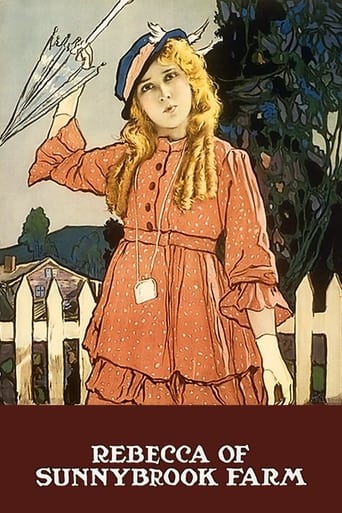
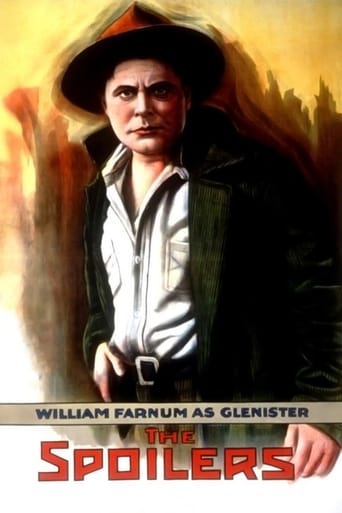
Titles linked here include The Spoilers (1914), Rebecca of Sunnybrook Farm (1917).
When was Jack McDonald born and when did he die?
Born May 17, 1880; died February 23, 1942.
What awards did Jack McDonald win?
Jack McDonald did not receive any major awards or nominations during his career. As a character actor during the early days of cinema, he worked primarily in supporting roles and was not recognized by the award systems that would later become prominent in Hollywood.
What was Jack McDonald's acting style?
Jack McDonald was known for his naturalistic yet expressive style in silent films, using his imposing physical presence and facial expressions to convey authority and emotion. He specialized in playing stern, authoritative figures and villains, bringing gravitas to supporting roles through clear physical gestures that translated well to the silent medium.