

Rebecca of Sunnybrook Farm
"Behind in the mortgage on Sunnybrook Farm and barely managin"
Keys: Space play/pause · ←/→ 10s · F fullscreen · M mute · </> speed
About this film
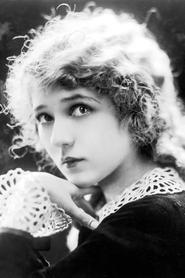
Behind in the mortgage on Sunnybrook Farm and barely managing to feed seven hungry mouths, mother sends young Rebecca off to Riverboro to be raised by her wealthy Aunt Miranda. The little girl is treated like a prisoner by her strict Aunt, yet she gamely does her best to get an education. When spoiled girls at school mock the spirited Rebecca as "missy poor-house," she soon makes them come to eat their words. Despite many difficulties, Rebecca manages to help the less fortunate and spread joy in Riverboro, dreaming that her reward will come when she is "all growed up." This version is notable…
Cast & crew
More films like this
More Drama films
View all →







More from Marshall Neilan
View all →
More about this film
About the production
Release dateSeptember 3, 1917
Box officeVery successful, as most Pickford films were during this period, though exact figures are not recorded
ProductionMary Pickford Film Corporation, Artcraft Pictures Corporation
Filmed inLos Angeles, California, Various studio locations
This was one of Mary Pickford's most popular productions during her peak years as 'America's Sweetheart.' The picture was produced during Pickford's independent production period when she had significant creative control over her projects. Frances Marion's adaptation was particularly praised for maintaining the spirit of Kate Douglas Wiggin's beloved novel while making it suitable for the screen.
Themes
Themes & topics
orphanfarm lifeeducationaunt-niece relationshippoverty to prosperitysmall townschoolfamily separationdeterminationchild protagonist
Historical background
Rebecca of Sunnybrook Farm (1917) reached audiences through Mary Pickford Film Corporation in United States, when exhibitors still built programs from varied shorts and features rather than single-block bookings.
Why this film matters
Programmers and historians revisit Rebecca of Sunnybrook Farm (1917) because its story—behind in the mortgage on sunnybrook farm and barely managing to feed seven hungry mouths, mother sends young rebecca off to riverboro to be raised by her wealthy aunt miranda—illustrates popular narrative habits and production norms of the period.
Making of
The production of 'Rebecca of Sunnybrook Farm' was a carefully crafted endeavor by Mary Pickford's production team. Pickford, who was deeply involved in all aspects of her films during this period, worked closely with director Marshall Neilan and screenwriter Frances Marion to ensure the adaptation captured the essence of the beloved novel. The casting was particularly important, as Pickford needed to convince audiences she could portray a young girl despite being in her mid-twenties. The production utilized elaborate sets to recreate the rural atmosphere of both Sunnybrook Farm and the more sophisticated Riverboro. Pickford's attention to detail extended to her costumes and makeup, which were designed to enhance her youthful appearance. the picture was shot during the summer of 1917, with Pickford maintaining her famous work ethic of long days on set. The collaboration between Pickford, Neilan, and Marion was so successful that they would work together on several other productions.
What critics said
English-language trade reviews of Rebecca of Sunnybrook Farm are limited for 1917. Where notices survive, they stress pacing and photographic clarity; later criticism values the title as archival evidence of studio style.
Did you know?
- This was the first of three film adaptations of Kate Douglas Wiggin's novel, with later versions in 1932 and the famous 1938 Shirley Temple musical
- Mary Pickford, then 25 years old, played the young Rebecca, demonstrating her famous ability to portray children convincingly
- the picture was produced by Pickford's own production company, giving her unprecedented creative control for an actress of the era
- Frances Marion, especially prolific and respected female screenwriters of the silent era, adapted the screenplay
- The success of helped cement Pickford's status as the most popular and highest-paid actress in the world
- Director Marshall Neilan was married to Mary Pickford's close friend and frequent collaborator, actress Blanche Sweet
- the picture's release coincided with America's entry into World War I, providing audiences with wholesome entertainment during troubled times
- Pickford's portrayal of Rebecca was considered one of her most natural and authentic performances
- the picture featured one of Pickford's favorite co-stars, Eugene O'Brien, with whom she had excellent on-screen chemistry
- The original novel had been a bestseller since its publication in 1903, making the picture adaptation highly anticipated
Visual style
The cinematography by Walter Stradling and Charles Rosher employed the sophisticated techniques of the period, utilizing natural lighting where possible to enhance the rural settings. the picture featured carefully composed shots that emphasized the emotional states of the characters, particularly in close-ups of Pickford's expressive face. The contrast between the humble Sunnybrook Farm and the more affluent Riverboro was visually established through set design and lighting choices. The camera work included subtle movements that were innovative for the time, helping to create a more immersive viewing experience. The cinematographers effectively used depth and framing to highlight Rebecca's isolation in her new environment and her eventual integration into the community.
Innovations
While not groundbreaking in technical innovation, the picture demonstrated the sophisticated craftsmanship that had become standard in quality productions by 1917. The use of multiple camera angles and varied shot lengths showed the advancement of cinematic language beyond the static compositions of earlier films. the picture's effective use of intertitles, likely written by Frances Marion, helped convey narrative information while maintaining the story's emotional flow. The production design successfully created distinct visual environments for different settings, and the makeup techniques used to age down Mary Pickford were considered quite effective for the period. the picture's pacing and editing demonstrated a mature understanding of narrative structure, maintaining audience engagement throughout its seven reels.
Music
As a silent film, 'Rebecca of Sunnybrook Farm' would have been accompanied by live musical performances in theaters. The typical score would have included popular songs of the era, classical pieces, and specially composed themes for different characters and situations. The music would have been performed by theater organists or small orchestras, with cue sheets provided to ensure appropriate musical accompaniment for each scene. The emotional tone of Rebecca's journey would have been enhanced through carefully selected musical pieces, ranging from jaunty tunes for her playful moments to more somber melodies during her struggles. The lack of surviving specific musical information means we can only speculate about the exact compositions used, but the practice of the time suggests a mix of familiar melodies and original themes.
Famous quotes
'I want to be good, but it's just awful hard sometimes!' - Rebecca
'When I'm all growed up, I'm going to do something wonderful!' - Rebecca
'Aunt Miranda, I'm trying so hard to be what you want me to be!' - Rebecca
'It doesn't matter where you come from, it matters where you're going!' - implied theme throughout
Memorable scenes
- Rebecca's dramatic entrance at the Riverboro school, where she first faces the mockery of her classmates
- The emotional scene where Rebecca writes a letter home to her mother, expressing both her loneliness and determination
- Rebecca's confrontation with the school bullies, where she stands up for herself with characteristic spirit
- The heartwarming moment when Aunt Miranda begins to soften toward Rebecca
- Rebecca's triumphant school performance where she proves her intelligence and creativity
What audiences thought
Audiences embraced 'Rebecca of Sunnybrook Farm' with tremendous enthusiasm, making it one of the biggest box office successes of 1917. the picture's wholesome themes and Pickford's charismatic performance resonated with viewers across all demographics. Children particularly identified with Rebecca's struggles and triumphs, while adults appreciated the picture's moral lessons and entertainment value. the picture's popularity extended internationally, with Pickford's fame ensuring strong attendance in foreign markets. Audience letters and contemporary accounts indicate that many viewers found the picture emotionally moving and inspiring, with Rebecca's character becoming a role model for young girls of the era. the picture's success reinforced Pickford's position as the most beloved actress of her time and demonstrated the commercial viability of family-oriented feature films.
Film connections
Influenced by
- Kate Douglas Wiggin's 1903 novel of the same name
- Contemporary literature featuring plucky young heroines
- Progressive Era ideals about education and social mobility
- Mary Pickford's established screen persona as the spirited girl-child
This film influenced
- Rebecca of Sunnybrook Farm (1932)
- Rebecca of Sunnybrook Farm (1938 Shirley Temple version)
- Numerous subsequent films featuring plucky young heroines overcoming adversity
- The tradition of literary adaptations starring child actresses
Film restoration
the picture is preserved in the archives of the Library of Congress and has been restored by various film preservation organizations. While complete copies exist, some elements show the wear typical of films from this period. The Mary Pickford Foundation has been involved in preservation efforts for this and other Pickford films. the picture is considered one of the better-preserved titles from Pickford's 1917 output, though some deterioration is evident in available prints. Restoration work has helped stabilize the picture for future generations.
Where to watch
- the picture is occasionally screened at silent film festivals and special cinema events
- Some restored versions may be available through film archives and specialized cinema libraries
- The Mary Pickford Foundation occasionally makes the picture available for educational screenings
- Various public domain versions may be found on online platforms specializing in classic cinema
- Film societies and museums with classic film collections sometimes include this in their programming