
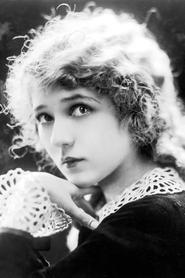
Mary Pickford
Actor
Born: April 8, 1892 in Toronto, Ontario, Canada Died: May 29, 1979 Active: 1909-1933 Birth Name: Gladys Louise Smith
Films
87 films

Heart o' the Hills
1919
Suds
1920
Tess of the Storm Country
1922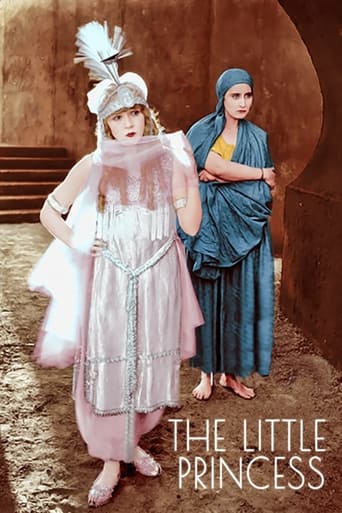
A Little Princess
1917
The Son's Return
1909
Stella Maris
1918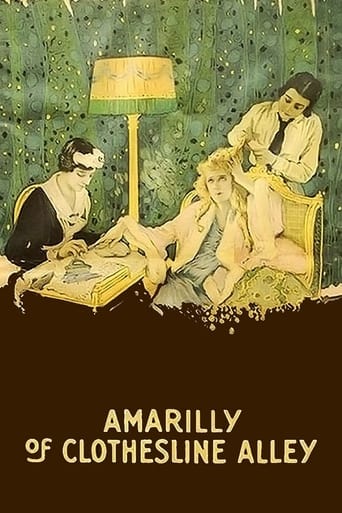
Amarilly of Clothes-Line Alley
1918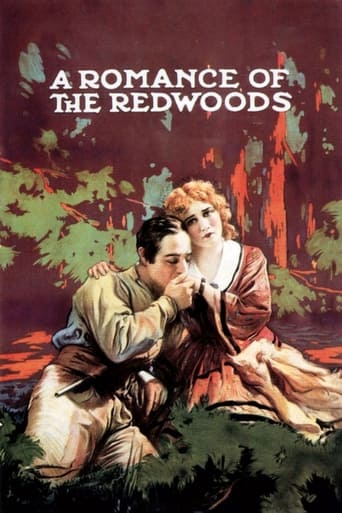
A Romance of the Redwoods
1917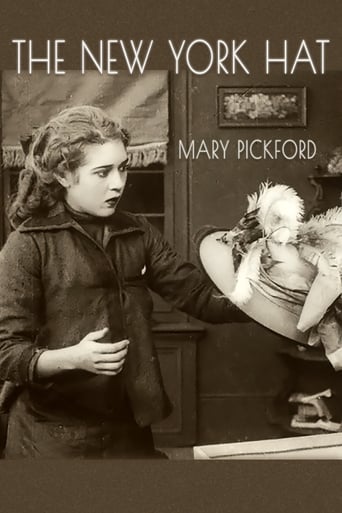
The New York Hat
1912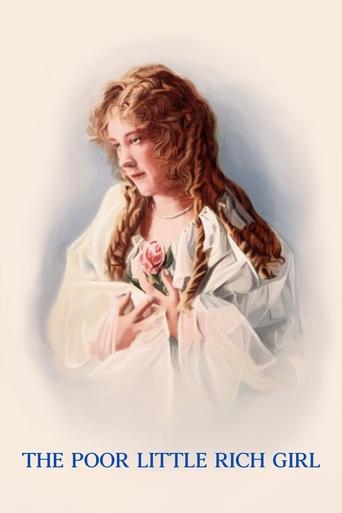
The Poor Little Rich Girl
1917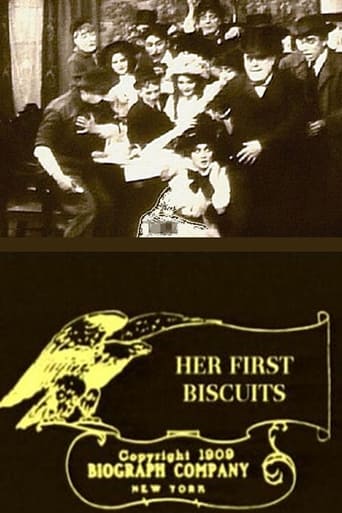
Her First Biscuits
1909
The Sealed Room
1909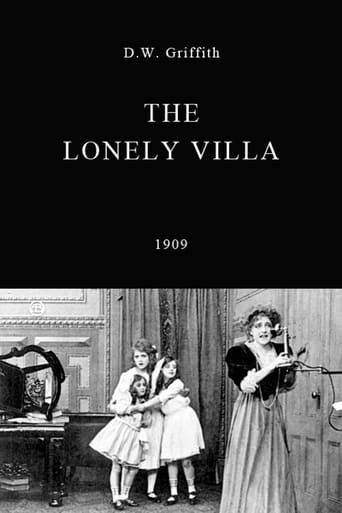
The Lonely Villa
1909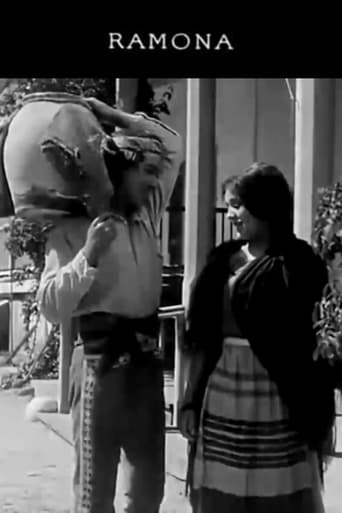
Ramona
1910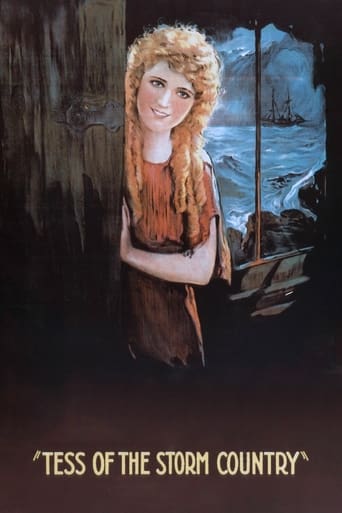
Tess of the Storm Country
1914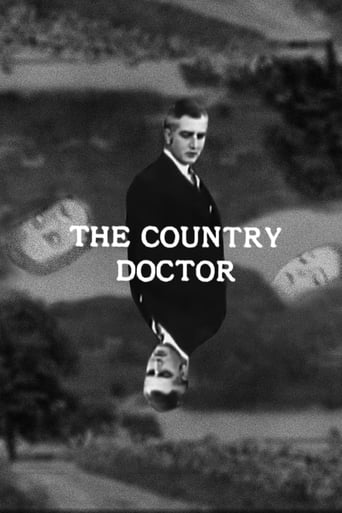
The Country Doctor
1909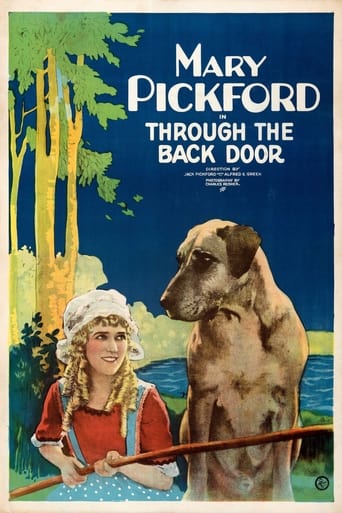
Through The Back Door
1921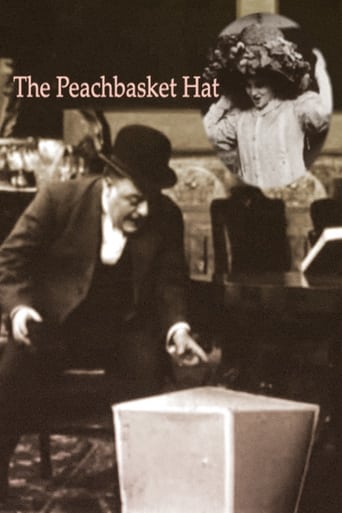
The Peachbasket Hat
1909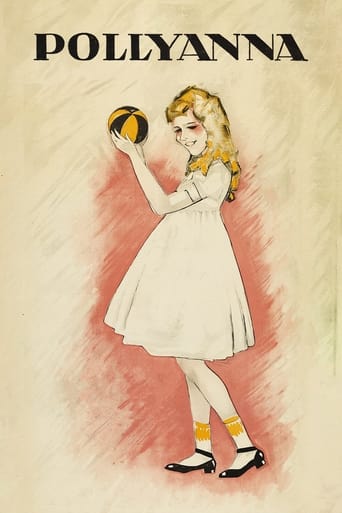
Pollyanna
1920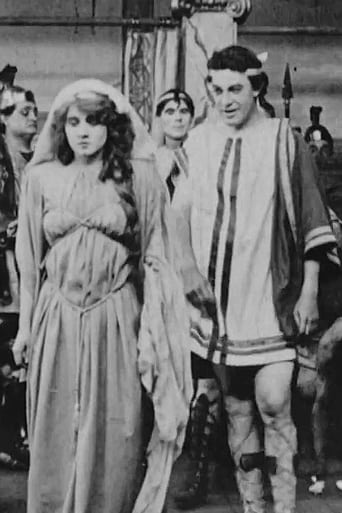
The Slave
1909
1776, or The Hessian Renegades
1909
The Little American
1917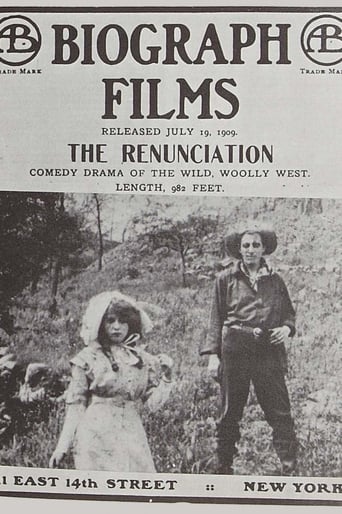
The Renunciation
1909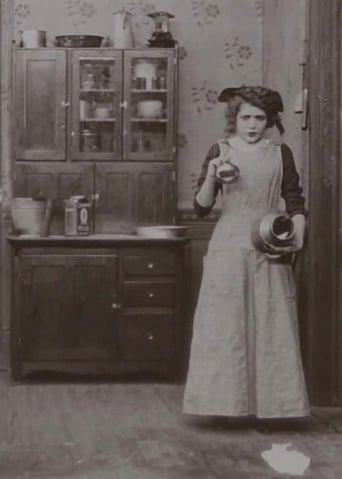
All on Account of the Milk
1910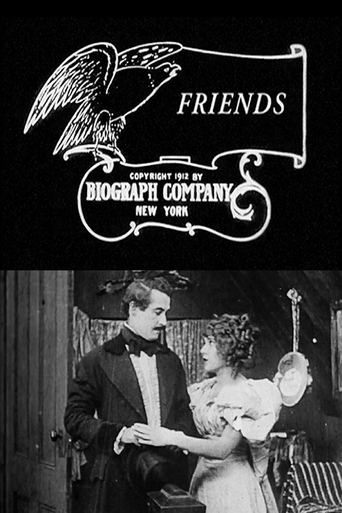
Friends
1912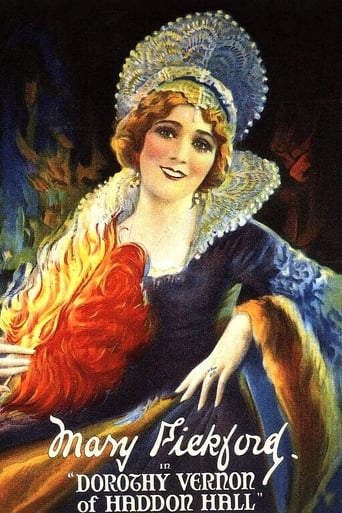
Dorothy Vernon of Haddon Hall
1924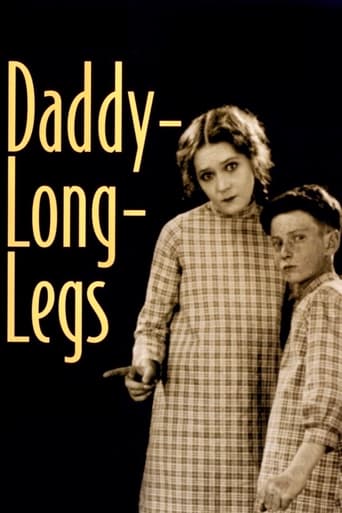
Daddy-Long-Legs
1919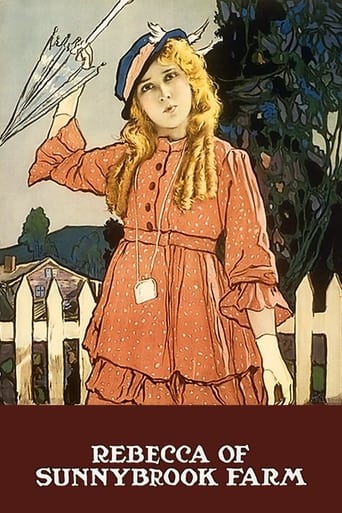
Rebecca of Sunnybrook Farm
1917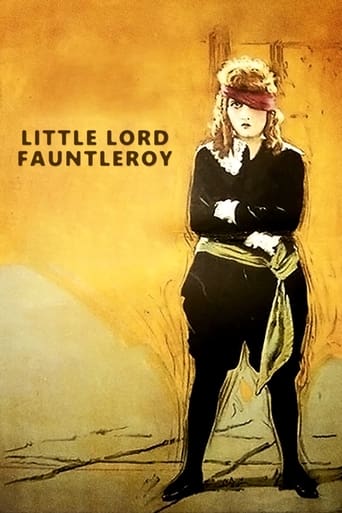
Little Lord Fauntleroy
1921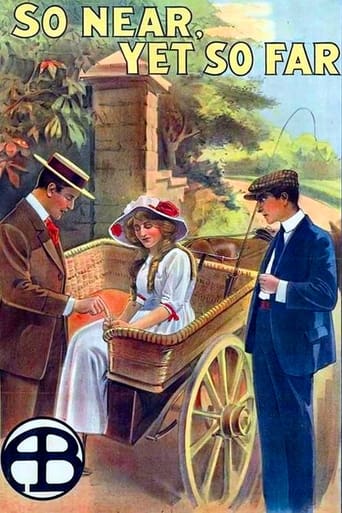
So Near, Yet So Far
1912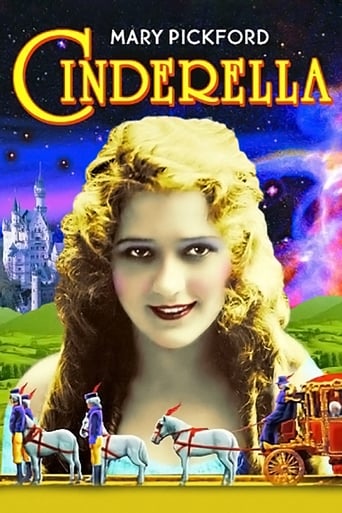
Cinderella
1914
The Violin Maker of Cremona
1909
A Strange Meeting
1909
Getting Even
1909
The Faded Lilies
1909
What's Your Hurry?
1909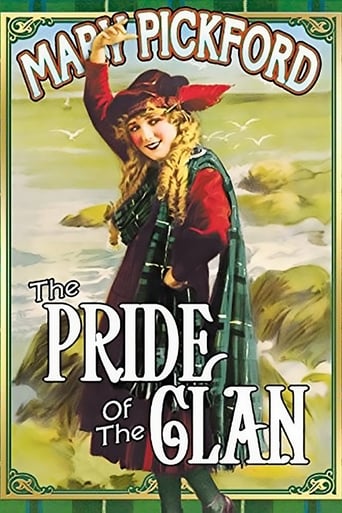
The Pride of the Clan
1917
The Dream
1911
Fanchon, the Cricket
1915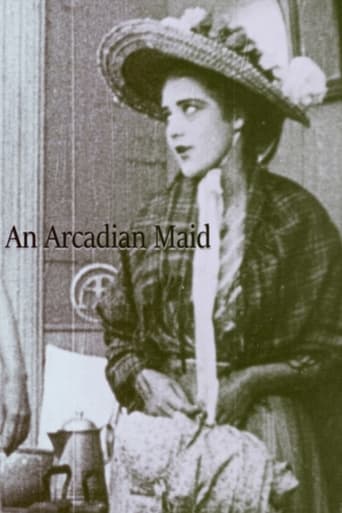
An Arcadian Maid
1910
As a Boy Dreams
1911
A Romance of the Western Hills
1910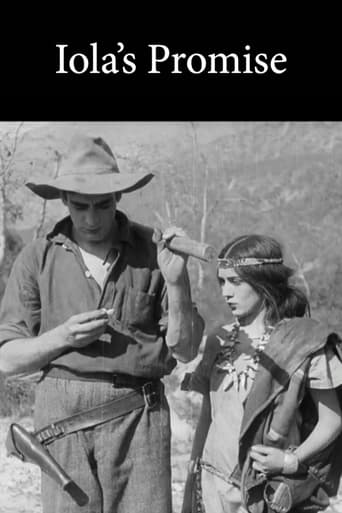
Iola's Promise
1912
The Mountaineer's Honor
1909
The Necklace
1909
The Unchanging Sea
1910
The Gibson Goddess
1909
The Cardinal's Conspiracy
1909
Through the Breakers
1909
Two Memories
1909
The Inner Circle
1912
The Female of the Species
1912
An Indian Summer
1912
Lena and the Geese
1912
The Narrow Road
1912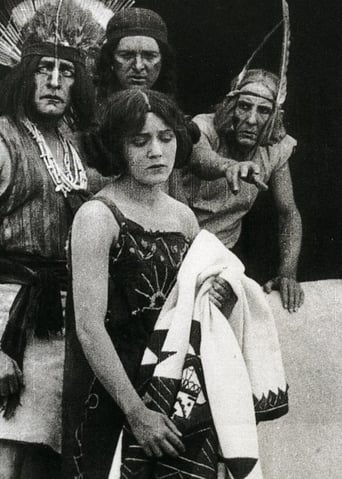
A Pueblo Legend
1912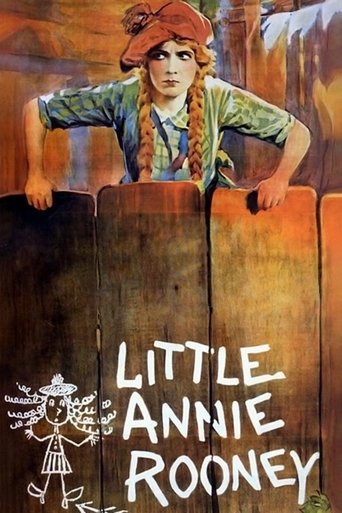
Little Annie Rooney
1925
Coquette
1929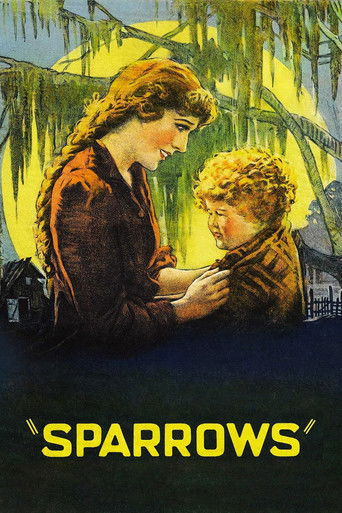
Sparrows
1926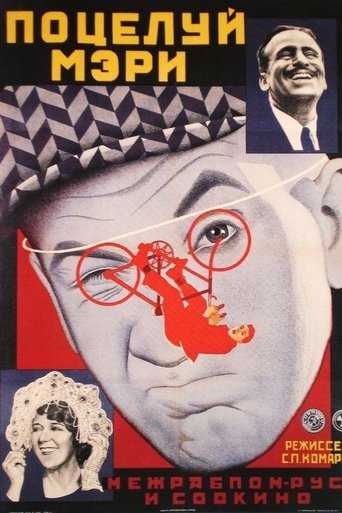
A Kiss from Mary Pickford
1927
The Gaucho
1927
A Beast at Bay
1912
The Seventh Day
1909
The Sorrows of the Unfaithful
1910
Less Than the Dust
1916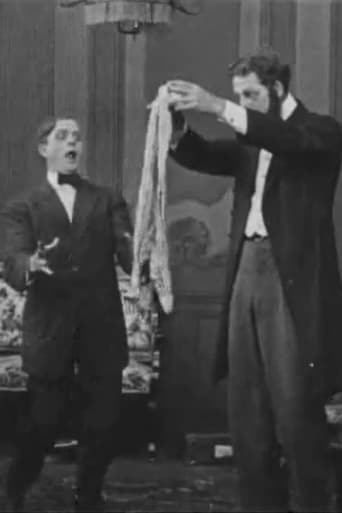
Oh, Uncle!
1909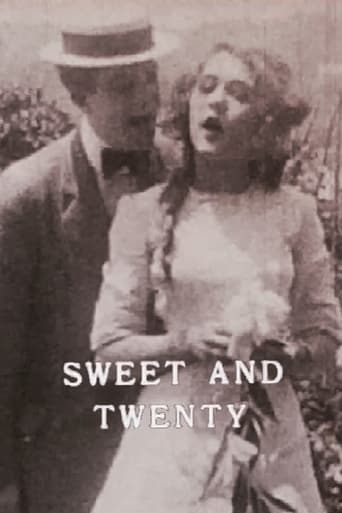
Sweet and Twenty
1909
The Song of the Wildwood Flute
1910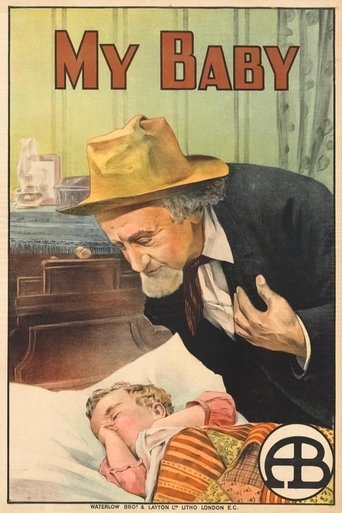
My Baby
1912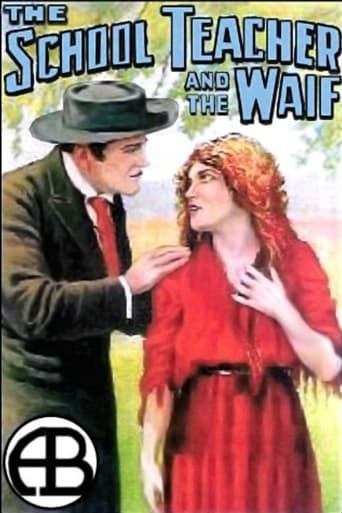
The School Teacher and the Waif
1912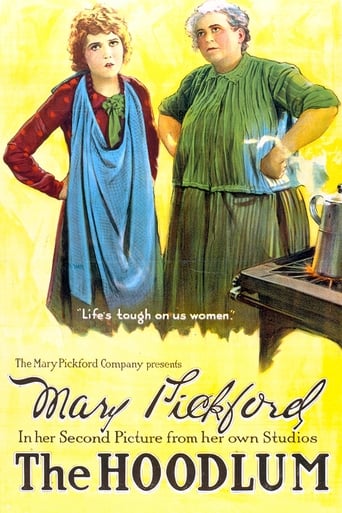
The Hoodlum
1919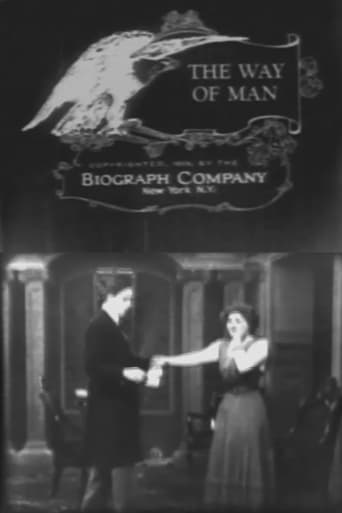
The Way of Man
1909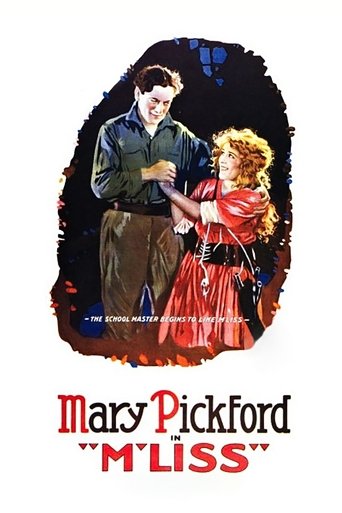
M'Liss
1918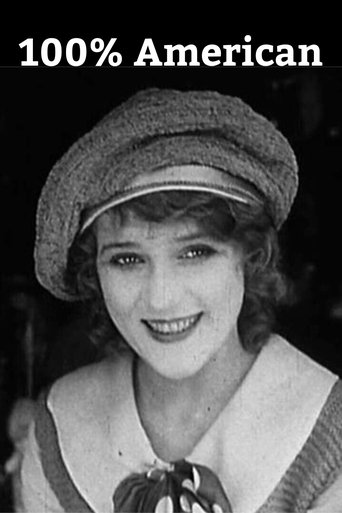
100% American
1918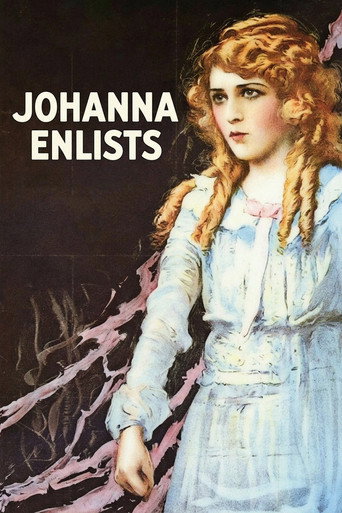
Johanna Enlists
1918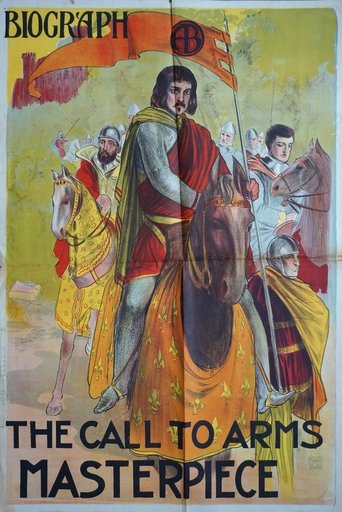
The Call to Arms
1910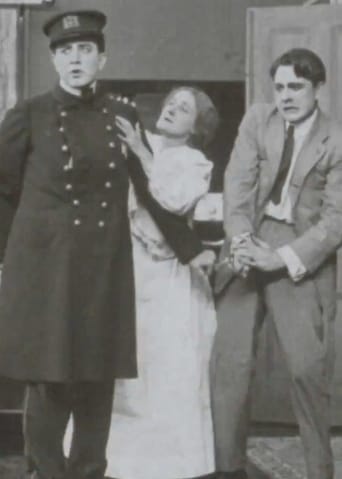
His Duty
1909
Won by a Fish
1912
A Child's Impulse
1910
What the Daisy Said
1910
Wilful Peggy
1910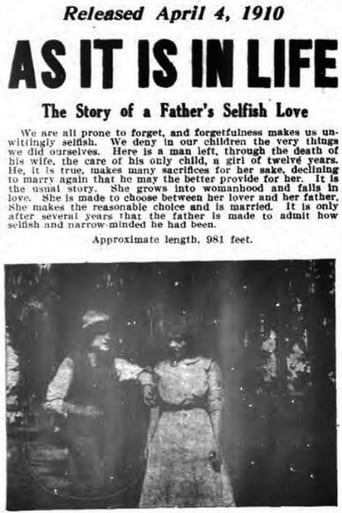
As It Is in Life
1910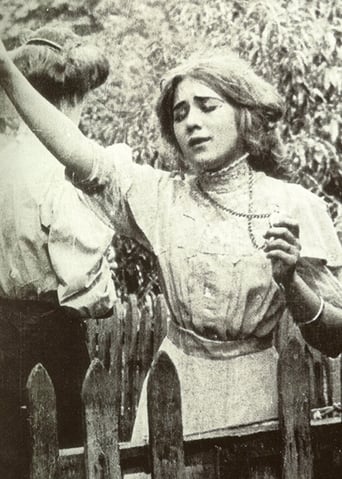
The Broken Locket
1909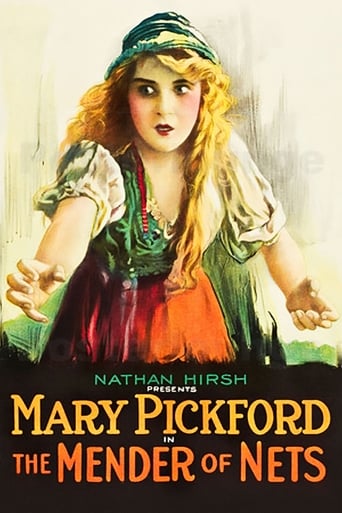
The Mender of Nets
1912
The Old Actor
1912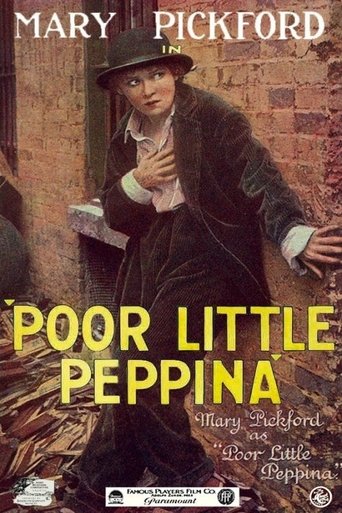
Poor Little Peppina
1916About Mary Pickford
Mary Pickford, born Gladys Louise Smith, was a Canadian-American film actress, producer, and studio co-founder who became powerful and influential figures in early Hollywood. Beginning her career as a child actress in 1909, she quickly rose to stardom at Biograph Studios working with director D.W. Griffith, appearing in dozens of short films that showcased her natural acting style and girl-next-door charm. By 1916, Pickford was earning an unprecedented $10,000 per week, making her the highest-paid actress in the world and giving her the leverage to form her own production company, the Mary Pickford Film Corporation. She co-founded United Artists in 1919 alongside Charlie Chaplin, Douglas Fairbanks, and D.W. Griffith, revolutionizing the industry by giving artists control over their own work. Pickford successfully transitioned from silent films to talkies, winning an Academy Award for Best Actress for her role in 'Coquette' (1929), though her popularity waned as audiences struggled to accept her mature roles after years of playing innocent young girls. She retired from acting in 1933 but remained active in the industry, serving as vice president of United Artists and helping establish the Academy of Motion Picture Arts and Sciences. Pickford's legacy encompasses not only her remarkable film career but also her role as a businesswoman who helped shape the modern film industry.
The Craft
On Screen
Pickford developed a naturalistic acting style that was revolutionary for the silent era, emphasizing subtle facial expressions and emotional authenticity rather than the exaggerated gestures common in early cinema. She specialized in playing innocent, spirited young girls and women, creating the archetype of the plucky, resourceful heroine that audiences adored. Her performances combined childlike vulnerability with remarkable strength and determination, making her characters both relatable and aspirational. Pickford's technique involved meticulous preparation and an intuitive understanding of camera angles, allowing her to convey complex emotions with minimal movement.
Milestones
- Signed with Biograph Studios and began working with D.W. Griffith (1909)
- Became highest-paid actress in the world at $10,000 per week (1916)
- Co-founded United Artists with Chaplin, Fairbanks, and Griffith (1919)
- Won Academy Award for Best Actress for 'Coquette' (1929)
- Co-founded the Academy of Motion Picture Arts and Sciences (1927)
- Established Mary Pickford Film Corporation for independent production (1916)
Best Known For
Iconic Roles
Must-See Films
Accolades
Won
- Academy Award for Best Actress for 'Coquette' (1929)
- Academy Honorary Award for Lifetime Achievement (1976)
Nominated
- Academy Award for Best Actress nomination (early Oscar years had different nomination processes)
Special Recognition
- Hollywood Walk of Fame star at 6280 Hollywood Boulevard
- AFI Life Achievement Award (1976)
- Canadian Walk of Fame star
- National Film Registry inclusion for 'Sparrows' (2006)
- U.S. Postal Service commemorative stamp (1996)
- Ontario Heritage Foundation plaque at birthplace
Working Relationships
Worked Often With
Studios
Why They Matter
Impact on Culture
Mary Pickford fundamentally transformed the film industry and American culture through her unprecedented success as both an artist and businesswoman. As 'America's Sweetheart,' she embodied the ideal of the innocent, hardworking American girl, creating a cultural archetype that influenced generations of performers and filmmakers. Her co-founding of United Artists revolutionized Hollywood's power structure, proving that creative talent could control their own destinies outside the studio system. Pickford's international popularity helped establish cinema as a legitimate art form and made Hollywood the global center of film production. Her advocacy for actors' rights and creative control paved the way for future industry reforms, while her philanthropic work, including extensive charity efforts during World War I, set a precedent for celebrity activism.
Lasting Legacy
Mary Pickford's legacy encompasses her groundbreaking contributions to cinema as both an artist and industry pioneer. She was the first true movie star, whose fame transcended national boundaries and established the template for celebrity culture in the 20th century. Her co-founding of United Artists and the Academy of Motion Picture Arts and Sciences created institutions that continue to shape the film industry today. Pickford's preservation efforts, including the restoration of early films and support for film archives, helped ensure that cinema's early history would survive for future generations. The Mary Pickford Foundation continues her philanthropic work, supporting film preservation, education, and new filmmakers. Her name remains synonymous with the golden age of Hollywood and represents the transition from nickelodeon attractions to the sophisticated art form that cinema would become.
Who They Inspired
Pickford's influence on the film industry and subsequent generations of performers is immeasurable. She demonstrated that actors could be more than performers—they could be producers, executives, and industry leaders. Her naturalistic acting style influenced the transition away from theatrical pantomime toward more subtle, realistic performances in cinema. As one of the first actors to demand creative control and financial participation in her films, she set precedents that would later benefit stars like Charlie Chaplin, Gloria Swanson, and eventually modern actors with production companies. Her business acumen at United Artists inspired independent filmmakers to seek alternatives to the studio system, a philosophy that continues in independent cinema today. Pickford's success as a female executive in a male-dominated industry paved the way for future women in film leadership positions.
Off Screen
Mary Pickford's personal life was as dramatic as her film career, marked by three marriages and complex family relationships. She married actor Owen Moore in 1911, but the marriage was troubled due to his jealousy and alcoholism, leading to their divorce in 1920. In 1920, she married Douglas Fairbanks in one of Hollywood's most celebrated unions, creating the ultimate power couple of the silent era; they lived together at the famous Pickfair estate and were considered American royalty. After Fairbanks's death in 1939, she married actor Charles 'Buddy' Rogers in 1949, with whom she remained until her death. Pickford had two adopted children: Ronald 'Ronnie' Charles Pickford (adopted with Fairbanks) and Roxanne Pickford (adopted with Rogers). She struggled with alcoholism in her later years and became increasingly reclusive, rarely leaving Pickfair in her final decades.
Education
Minimal formal education; left school at age 8 to help support her family after her father's death, receiving most of her education through theater and film work
Family
- Owen Moore (1911-1920)
- Douglas Fairbanks (1920-1939)
- Charles 'Buddy' Rogers (1949-1979)
Did You Know?
- Was nicknamed 'The Queen of the Movies' and 'America's Sweetheart'
- Her famous curly hair was so iconic that women worldwide adopted the 'Pickford curl' hairstyle
- Was one of the original 36 founders of the Academy of Motion Picture Arts and Sciences
- Her marriage to Douglas Fairbanks was so celebrated that their honeymoon train was mobbed by fans across the country
- Pickfair, her estate with Fairbanks, was one of Hollywood's most famous homes and hosted countless celebrities
- Was the first person to receive an Academy Award in an acting category (1929)
- Her salary of $10,000 per week in 1916 would be equivalent to over $250,000 today
- Successfully sued a magazine for libel in 1926, setting an important precedent for celebrity privacy rights
- Was instrumental in the development of film preservation and restoration techniques
- Her famous quote 'If you have made mistakes, even serious ones, there is always another chance for you' reflects her philosophy of resilience
- Was one of the first stars to use product endorsements, lending her name to dolls, books, and other merchandise
- Her final public appearance was at the 1976 Academy Awards where she received her honorary Oscar
In Their Own Words
This thing that we call 'failure' is not the falling down, but the staying down.
If you have made mistakes, even serious ones, there is always another chance for you. What we call failure is not the falling down but the staying down.
The past is a guidepost, not a hitching post.
I was a born actress. I couldn't help it.
You may have a fresh start any moment you choose, for this thing that we call 'failure' is not the falling down, but the staying down.
I've always been a very emotional person. I'm not a cold, calculating person at all.
Frequently Asked Questions
Who was Mary Pickford?
Canadian-American film actress, producer, and studio co-founder who became. Known as 'America's Sweetheart,' she was the highest-paid actress of her time and co-founded both United Artists and the Academy of Motion Picture Arts and Sciences, fundamentally shaping the film industry.
What films is Mary Pickford best known for?
Titles linked here include Rebecca of Sunnybrook Farm (1917), Pollyanna (1920).
When was Mary Pickford born and when did she die?
Born April 8, 1892; died May 29, 1979.
What awards did Mary Pickford win?
Mary Pickford won the Academy Award for Best Actress for 'Coquette' (1929) and received an Academy Honorary Award for Lifetime Achievement in 1976. She was also among the first inductees to the Hollywood Walk of Fame and received numerous other honors recognizing her contributions to cinema.
What was Mary Pickford's acting style?
Pickford developed a naturalistic acting style that emphasized subtle expressions and emotional authenticity rather than the exaggerated gestures common in early cinema. She specialized in playing innocent, spirited young girls with a combination of vulnerability and strength, creating relatable yet aspirational characters that audiences adored.
How did Mary Pickford influence the film industry?
Pickford revolutionized the film industry by co-founding United Artists, giving artists creative control over their work, and establishing the Academy of Motion Picture Arts and Sciences. She was the first true movie star, demonstrating that actors could be powerful business executives and industry leaders, paving the way for future independent filmmakers and actor-producers.
Who were Mary Pickford's husbands?
Mary Pickford was married three times: to actor Owen Moore (1911-1920), to Douglas Fairbanks (1920-1939) in one of Hollywood's most celebrated unions, and to Charles 'Buddy' Rogers (1949-1979). Her marriage to Fairbanks made them the ultimate power couple of the silent era.
Why was Mary Pickford called 'America's Sweetheart'?
Pickford earned the nickname 'America's Sweetheart' due to her on-screen persona as an innocent, wholesome young girl and her off-screen reputation as a hardworking, patriotic American. Her films portrayed values of resilience, optimism, and moral integrity that resonated deeply with audiences during World War I and the 1920s.