
The Country Doctor
"No called spared"
Keys: Space play/pause · ←/→ 10s · F fullscreen · M mute · </> speed
About this film
While caring for his sick daughter, a doctor is called away to the sickbed of a neighbor. He finds the neighbor gravely ill, and ignores his wife's pleas to come home and care for his own daughter, who has taken a turn for the worse.
Cast & crew
More films like this

More Drama films
View all →







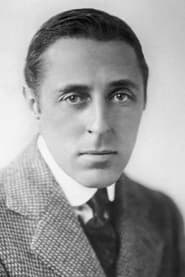
More from D.W. Griffith
View all →
More about this film
About the production
Release dateMarch 11, 1909
ProductionAmerican Mutoscope and Biograph Company
Filmed inFort Lee, New Jersey, New York City areas
Filmed during Griffith's early period at Biograph, this short was typical of the company's one-reel productions of the era. The film was shot on location in rural New Jersey to achieve authentic country settings. Griffith was already experimenting with narrative techniques that would later become his trademark, including cross-cutting between parallel storylines to build tension. The production faced the technical limitations of 1909 filmmaking, including cumbersome cameras, natural lighting requirements, and the challenges of filming outdoors in early spring weather.
Themes
Professional duty vs. family obligationsMedical ethics and responsibilityParental love and sacrificeMoral dilemmas and difficult choicesRural community values
Themes & topics
doctormoral dilemmasick childmedical ethicssacrificerural settingfamily dramaprofessional dutylife and deathparental love
Historical background
Made in its country of production around 1909, The Country Doctor belongs to the first decade of projected film. Its story of while caring for his sick daughter, a doctor is called away to the sickbed of a neighbor spoke to audiences of the day through familiar genres and topical settings.
Why this film matters
Archivists and historians still cite The Country Doctor when tracing how the first decade of projected film filmmakers staged caring and sick on screen.
Making of
The Country Doctor was filmed during a remarkably productive period in Griffith's career, when he was directing multiple films per week for Biograph. The production utilized natural lighting and real locations rather than studio sets, which was becoming increasingly common as cameras became more portable. Griffith was already developing his distinctive directorial style, encouraging actors to deliver more naturalistic performances than was typical of the period. The film's emotional depth was achieved through careful staging and Griffith's emerging understanding of cinematic language, including the use of close-ups to highlight emotional moments. The cast worked without scripts in the modern sense, instead receiving scene descriptions and improvising dialogue within the framework Griffith provided. This method allowed for spontaneity while maintaining Griffith's control over the narrative structure.
What critics said
Reviews from 1909 weighed The Country Doctor on pacing, performance, and novelty. Later criticism reads its emphasis on caring, sick, daughter through modern standards of craft and representation.
Did you know?
- This was one of over 450 short films D.W. Griffith directed for the Biograph Company between 1908 and 1913
- The film Griffith's early mastery of cross-cutting, a technique he helped pioneer to build suspense and emotional impact
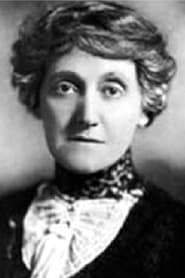
- Kate Bruce, who played the mother, became one of Griffith's most reliable character actresses, appearing in dozens of his films
- The film was released during a period when Biograph was refusing to credit actors by name to prevent them from demanding higher salaries
- At 14 minutes, this was considered a substantial length for a film in 1909, when most movies were under 10 minutes
- The film's moral dilemma theme was one Griffith would revisit in various forms throughout his career
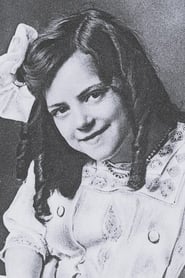
- Gladys Egan, who played the daughter, was one of the first professional child actors in American cinema
- The film was shot on 35mm film at approximately 16 frames per second, the standard speed of the era
- Biograph films of this period were typically distributed on a 'states rights' basis, with different companies handling distribution in different regions
- The film's rural setting was authentic to the American experience of 1909, when many communities still relied on single country doctors
Visual style
The cinematography in The Country Doctor reflects the technical standards and artistic aspirations of 1909 filmmaking. Shot by Biograph's regular cinematographers (likely Arthur Marvin or G.W. Bitzer), the film utilizes natural lighting for its outdoor scenes, creating a realistic atmosphere that enhances the story's authenticity. The camera work includes static shots typical of the period but demonstrates careful composition to emphasize emotional moments. Griffith and his cinematographers were beginning to experiment with camera placement and movement to enhance narrative impact, using closer framing than was common in earlier films to highlight the actors' emotional expressions. The film's visual style balances the technical constraints of the era with Griffith's emerging artistic vision, creating images that serve the story while pushing the boundaries of what was cinematically possible in 1909.
Innovations
The Country Doctor demonstrates several technical achievements that were significant for 1909. The film's use of cross-cutting between parallel storylines was still relatively innovative and represents Griffith's contribution to developing this fundamental narrative technique. The production utilized location shooting rather than relying entirely on studio sets, which required increasingly portable camera equipment and lighting setups. The film's editing shows sophistication in rhythm and pacing for its era, with cuts timed to maximize emotional impact. Griffith's direction of actors toward more naturalistic performances represented a technical achievement in screen acting, moving away from the exaggerated theatrical style common in earlier films. The movie also demonstrates improved continuity in visual storytelling, with attention to spatial relationships and logical progression of action that helped establish conventions for narrative cinema.
Music
As a silent film, The Country Doctor would have been accompanied by live musical performance during its original exhibition. The typical score would have been provided by a pianist or small ensemble in nickelodeon theaters, drawing from popular classical pieces and stock musical cues appropriate to the film's emotional tone. Dramatic moments like the doctor's moral dilemma would have been underscored with melancholic or tense music, while happier scenes might have featured lighter, more upbeat selections. The Biograph Company sometimes provided suggested musical cue sheets with their films, indicating appropriate pieces for different scenes. The music was crucial to conveying emotion and enhancing the narrative impact, serving as the primary audio element in an era before synchronized sound technology.
Famous quotes
(Silent film - no dialogue, but intertitles would have conveyed key messages about duty, sacrifice, and moral choice)
Memorable scenes
- The tense sequence where the doctor receives the competing calls to care for his daughter and the neighbor, cutting between the two sickbeds to build suspense; The emotional climax where the doctor must face the consequences of his professional choice; The final resolution that brings the moral dilemma to its heartbreaking conclusion
What audiences thought
The Country Doctor was well-received by audiences of 1909, who were increasingly drawn to more sophisticated narrative films that offered emotional engagement. Contemporary accounts suggest that viewers were deeply moved by the film's moral dilemma and the performances of its cast. The movie's themes of sacrifice and professional duty resonated strongly with early 20th-century American audiences, many of whom had personal experience with similar situations in rural communities. The film's success helped cement D.W. Griffith's reputation as a director capable of delivering emotionally powerful content, contributing to his growing popularity among moviegoers. Audience reactions recorded in trade publications of the time indicate that the film was particularly effective at eliciting tears and emotional discussion among viewers, demonstrating cinema's emerging power as a medium for dramatic storytelling.
Film connections
Influenced by
- Contemporary stage melodramas
- Social realist literature of the Progressive Era
- Earlier Biograph dramatic shorts
- Griffith's own previous experiments with narrative film
- Victorian moral tales
This film influenced
- Griffith's later moral dilemma films
- Other Biograph medical dramas
- Early Hollywood films about medical professionals
- Silent era films exploring similar ethical themes
Film restoration
The Country Doctor survives in film archives and is preserved by the Museum of Modern Art and other institutions. Prints exist in 16mm and 35mm formats, and the film has been included in various D.W. Griffith collections and early cinema retrospectives. The movie is not considered lost, unlike many films from this period, though some degradation of the original elements is typical for films of this age.
Where to watch
- The film is available on various DVD collections of D.W. Griffith's early works
- Some archives and film museums occasionally screen the film in retrospectives
- The movie may be accessible through specialized streaming services focusing on classic cinema
- Film archives and university libraries with extensive early cinema collections may hold copies for research purposes