Films
26 films
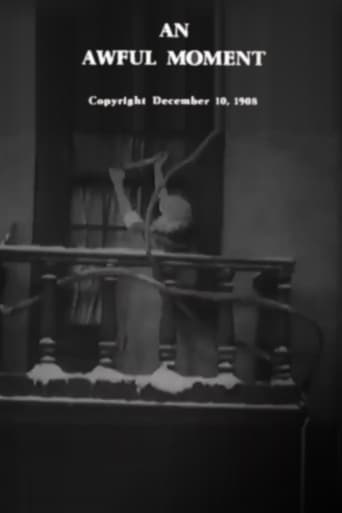
An Awful Moment
1908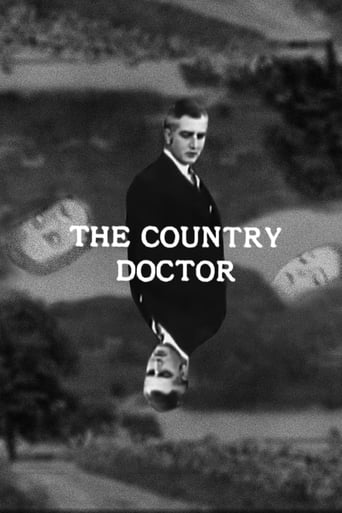
The Country Doctor
1909
The Adventures of Dollie
1908
The Slave
1909
A Corner in Wheat
1909
Romance of a Jewess
1908
The Zulu's Heart
1908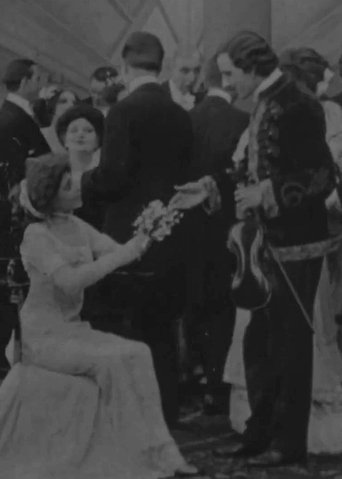
The Faded Lilies
1909
What's Your Hurry?
1909
A Drunkard's Reformation
1909
The Voice of the Violin
1909
The House with Closed Shutters
1910
A Trap for Santa Claus
1909
In the Border States
1910
The Unchanging Sea
1910
What Drink Did
1909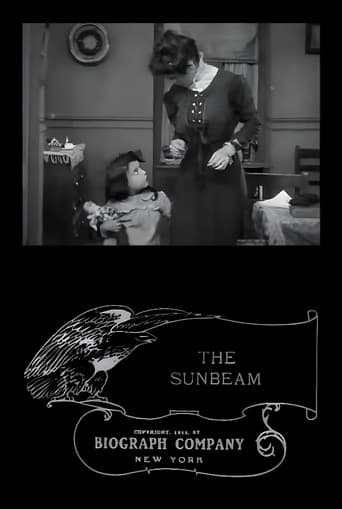
The Sunbeam
1912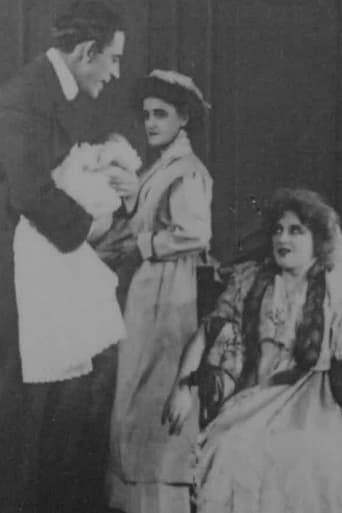
Through the Breakers
1909
The Seventh Day
1909
The Sorrows of the Unfaithful
1910
The Way of Man
1909
His Trust
1911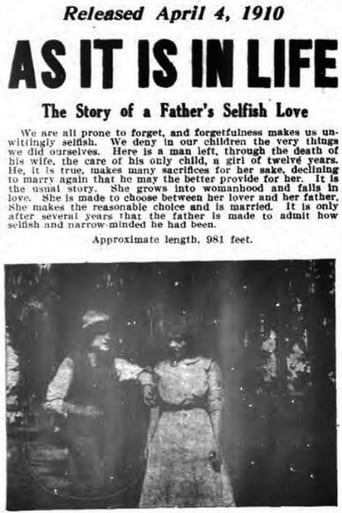
As It Is in Life
1910
The Making of a Man
1911
His Trust Fulfilled
1911About Gladys Egan
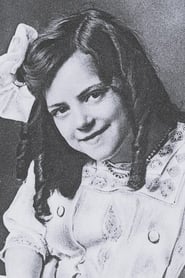
Gladys Egan was one of the earliest child actors in American cinema, emerging during the days of silent film at the Biograph Studio. She began her brief but notable career in 1908 at approximately age 8, quickly becoming a regular performer in D.W. Griffith's early films. Egan appeared in dozens of short films between 1908 and 1912, often portraying children and young girls in melodramatic scenarios typical of the era. Her most significant collaborations were with director D.W. Griffith, where she worked alongside other early cinema pioneers like Mary Pickford, Mack Sennett, and the Gish sisters. Despite her prolific output during these formative years of cinema, Egan's career ended abruptly as she entered her teenage years, a common fate for child actors of the silent era. Her performances, while typical of the exaggerated acting style of early cinema, helped establish the template for child acting in film. After retiring from acting around 1912, she largely disappeared from public records, representing the transient nature of early film stardom.
The Craft
On Screen
Egan's acting style was characteristic of early silent cinema, featuring broad gestures and exaggerated facial expressions to convey emotion effectively to audiences. As a child actor, she specialized in portraying innocence, vulnerability, and childhood emotions in melodramatic scenarios. Her performances were particularly effective in Griffith's sentimental family dramas, where her youthful presence added emotional weight to the narratives.
Milestones
- Regular performer in D.W. Griffith's Biograph films
- Appeared in over 50 short films during cinema's formative years
- One of the first recognizable child stars in American cinema
- Worked during the transition from actualities to narrative films
Best Known For
Iconic Roles
Must-See Films
Accolades
Special Recognition
- Recognized as one of cinema's earliest child performers by film historians
Working Relationships
Worked Often With
Studios
Why They Matter
Impact on Culture
Gladys Egan represents an important but often overlooked chapter in cinema history as one of the first child actors to gain recognition in American film. Her work during the crucial transition years of 1908-1912 helped establish the conventions of child performance in motion pictures. While her name is not widely remembered today, her contributions to the development of narrative cinema and the establishment of child actors as a distinct category of performers were significant. Her appearances in numerous D.W. Griffith films place her at the very foundation of American narrative cinema, working alongside the pioneers who would define the language of film.
Lasting Legacy
Gladys Egan's legacy lies primarily in her status as one of cinema's earliest child actors and her role in the foundational years of American narrative film. Her body of work, though brief, provides valuable insight into the early development of film acting techniques and the establishment of genre conventions. Film historians and silent cinema enthusiasts recognize her as part of the generation that helped transform cinema from novelty to art form. Her disappearance from public records after 1912 also exemplifies the transient nature of early stardom and the challenges faced by child performers in the silent era.
Who They Inspired
As an early child performer, Egan helped establish patterns and expectations for child actors in cinema that would influence subsequent generations. Her work in Griffith's films contributed to the development of techniques for directing and filming children, which would become increasingly sophisticated as cinema evolved. While she did not directly mentor later performers, her body of work served as an early example of how children could be effectively integrated into narrative film storytelling.
Off Screen
Very little is known about Gladys Egan's personal life beyond her brief film career. As was common with many early film performers, detailed biographical information was not systematically recorded. She appears to have been born in New York City around 1900, which would have made her approximately 8 years old when she began her film career. After retiring from acting around age 12, she seemingly returned to private life, with no records suggesting she returned to entertainment or public life.
Did You Know?
- Appeared in over 50 films in just four years
- Was one of the youngest performers in D.W. Griffith's Biograph company
- Her film debut was in 1908 at approximately 8 years old
- Worked during the period when film acting was transitioning from stage techniques to cinema-specific methods
- Many of her films are now considered lost, a common fate for early cinema
- She was part of the stock company that Griffith built before moving to Hollywood
- Her career ended before she reached her teenage years, typical for child actors of the era
- She never appeared in feature-length films, as the industry was still focused on shorts during her career
- Her exact birth and death dates remain uncertain due to incomplete records from the period
- She represents the many anonymous contributors to early cinema whose names have been largely lost to history
Frequently Asked Questions
Who was Gladys Egan?
Gladys Egan was one of the earliest child actors in American cinema, active from 1908-1912 primarily in D.W. Griffith films at the Biograph Studio. She appeared in over 50 short films during the foundational years of American narrative cinema.
What films is Gladys Egan best known for?
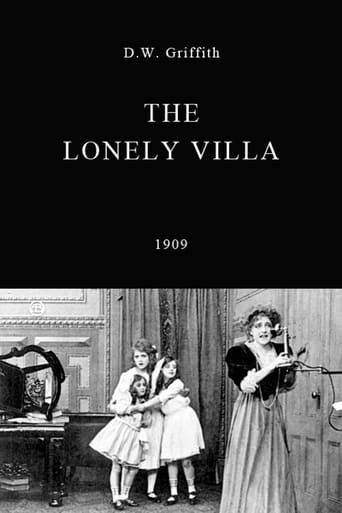
Titles linked here include The Lonely Villa (1909), An Awful Moment (1908).
When was Gladys Egan born and when did she die?
Born 1900; died death date not listed.
What awards did Gladys Egan win?
Gladys Egan did not receive any formal awards during her career, as the film industry's award system had not yet been established during her active years in the early 1900s.
What was Gladys Egan's acting style?
Her acting style was typical of early silent cinema, featuring broad gestures and exaggerated expressions to convey emotion. She specialized in portraying childhood innocence and vulnerability in melodramatic scenarios.
Why did Gladys Egan's career end so early?
Her career ended around age 12, which was common for child actors in the silent era. As she entered her teenage years, she likely returned to private life, and early film studios frequently replaced child actors as they aged.