What Drink Did
"One beer leads to another"
Keys: Space play/pause · ←/→ 10s · F fullscreen · M mute · </> speed
About this film
A man leaves his wife and two daughters for work in a carpentry shop. At work, he initially refuses a beer with lunch, then gives in. After work, two friends take a little while to convince him to go for a refreshing malt beverage, then to have another and another....
Cast & crew
More films like this
More Drama films
View all →







More from D.W. Griffith
View all →
More about this film
About the production
Release dateJune 1909
ProductionAmerican Biograph Company
Filmed inNew York City, Fort Lee, New Jersey
Filmed in the early days of cinema when Biograph was still primarily based in New York before relocating to California. The film was shot on 35mm film at Biograph's studio facilities, using natural lighting as artificial lighting was still primitive. The production would have been completed in just one or two days, typical of the rapid production schedule of the era where Griffith was directing multiple films per month.
Themes
Temperance and alcoholismFamily responsibilityMoral decayPeer pressureSocial reform
Themes & topics
Historical background
Fairground exhibitors screened What Drink Did around 1909, when projected images still traveled as curiosity entertainment.
Why this film matters
What Drink Did belongs to early staged screen fiction, when producers tested camera placement and trick cuts.
Making of
The film was made during D.W. Griffith's formative period at Biograph, where he was rapidly developing his cinematic language and storytelling techniques. Griffith was known for his meticulous attention to detail even in these early productions, often working closely with his actors to achieve naturalistic performances in an era when theatrical acting was the norm. The production would have been completed with a small crew and minimal equipment, using the basic camera technology available in 1909. Griffith was already experimenting with cross-cutting and parallel editing techniques that would become his trademarks, using them to contrast the husband's drinking with his family's suffering at home. The film's moral message reflected Griffith's own conservative values and the prevailing social attitudes of the Progressive Era.
What critics said
Press notices for What Drink Did (1909) are sparse in digitized sources; interest today rests on preserved prints and comparison with related titles.
Did you know?
- was part of D.W. Griffith's early series of 'social problem' films that addressed contemporary issues like alcoholism, poverty, and social injustice.
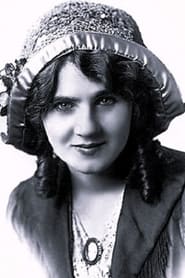
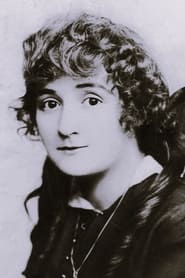
- Florence Lawrence, who plays the wife, was known as 'The Biograph Girl' and was one of the first film stars, though audiences didn't know her name until later in 1909.
- The film was released during the height of the temperance movement, just a decade before Prohibition would begin in the United States.
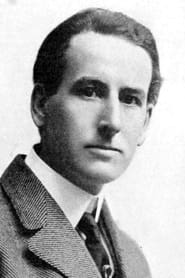
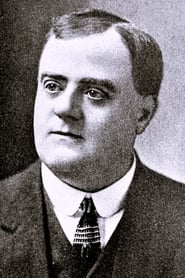
- David Miles, who plays the husband, was one of Griffith's regular actors during his Biograph period, appearing in over 30 of Griffith's films.
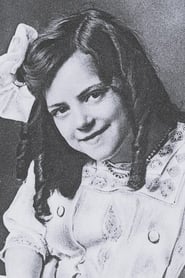
- Gladys Egan, one of the child actresses, was a popular child star of the era who appeared in numerous Griffith films before retiring from acting as a teenager.
- The film's title 'What Drink Did' was a common phrase used by temperance advocates to illustrate the destructive power of alcohol.
- This was one of over 40 short films Griffith directed in 1909 alone, demonstrating his incredible productivity during this period.
- The film was distributed on a 'state's rights' basis, meaning different companies could buy the rights to show it in different geographic regions.
- Like many films of this era, it was likely tinted by hand for color effects, particularly blue for night scenes and amber for indoor scenes.
- The tavern scenes were filmed on constructed sets rather than in actual bars, as was common practice for moral films of the period.
Visual style
The cinematography by G.W. 'Billy' Bitzer, Griffith's regular cameraman, utilized the techniques common to 1909 but with Griffith's emerging innovations. The film employed static camera positions typical of the era, but Griffith was already experimenting with different camera angles and distances to enhance emotional impact. The interior scenes were lit using available light supplemented by reflectors, creating the high-contrast look characteristic of early films. Bitzer would have used the Pathe camera, which was standard equipment for Biograph productions. The film likely featured the hand-tinting that was popular during this period, with colors added to enhance mood and differentiate locations. The cinematography emphasized facial expressions and gestures, crucial for storytelling in the silent era.
Innovations
While not technically innovative compared to some of Griffith's other 1909 works, 'What Drink Did' demonstrated his mastery of emerging cinematic techniques. The film made effective use of parallel editing to contrast scenes of the husband's drinking with his family's suffering at home, a technique Griffith was pioneering at this time. The continuity editing maintained clear narrative flow despite the primitive equipment available. The film's effective use of close-ups for emotional moments showed Griffith's understanding of the camera's power to create intimacy with the audience. The production utilized Biograph's standard 35mm film format and the latest camera equipment of the era. The film's pacing and narrative structure represented the growing sophistication of storytelling in early cinema, moving beyond the simple tableaux format of earlier films.
Music
As a silent film, 'What Drink Did' would have been accompanied by live musical performance during theatrical exhibitions. The typical accompaniment would have been a pianist or small ensemble playing popular songs and classical pieces appropriate to the mood of each scene. For the happy family scenes, upbeat popular tunes would have been used, while the drinking scenes might have featured darker, more ominous music. The emotional climax would have been accompanied by dramatic classical pieces. Some larger theaters might have employed a small orchestra. The music was not standardized but selected by the individual theater's musical director based on the film's content and the musicians' repertoire. The score would have been crucial in conveying the film's emotional tone and moral message to the audience.
Famous quotes
'Just one won't hurt' - the coworkers tempting the protagonist
'I must think of my wife and children' - the husband's initial refusal
'The first drink leads to the last' - implicit moral of the story
Memorable scenes
- The initial lunch scene where the carpenter refuses the beer, showing his strength of character. The gradual persuasion after work, with each drink seeming more innocent than the last. The cross-cutting sequence contrasting the husband's increasing intoxication with his hungry, waiting family at home. The emotional climax showing the full impact of his drinking on his household. The final scenes suggesting either redemption or continued downfall, depending on the version shown.
What audiences thought
Early 20th-century audiences responded positively to the film's clear moral message and emotional storytelling. Working-class viewers, many of whom had personal experience with alcohol's impact on families, found the story relatable and moving. The film's temperance theme resonated strongly with the reform-minded audiences who frequented nickelodeons during this period. Contemporary accounts suggest that audiences were particularly affected by the scenes showing the neglected wife and children, which tapped into prevailing Victorian ideas about family and domesticity. The film's straightforward narrative and emotional appeal made it popular across diverse audience groups, from recent immigrants to native-born Americans. Its success helped establish the market for films with social messages and encouraged Biograph and other studios to produce more films addressing contemporary social issues.
Film connections
Influenced by
- Stage melodramas of the 19th century
- Temperance literature
- Social reform movements
- Earlier Biograph shorts
- Contemporary newspaper stories about alcoholism
- Victorian moral tales
This film influenced
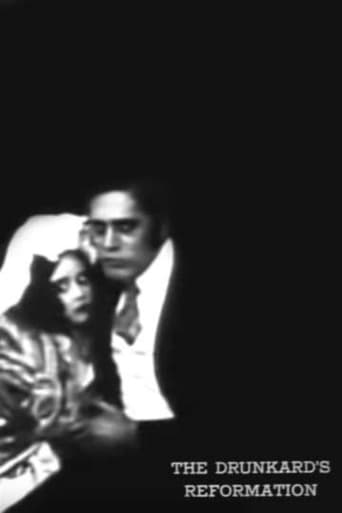
- Griffith's later temperance films like 'The Drunkard's Reformation' (1909)
- Other social problem films of the 1910s
- Hollywood's later films about alcoholism
- The 'fallen man' genre in cinema
Film restoration
The film is preserved in the Library of Congress collection as part of the Paper Print Collection, with copies also held at the Museum of Modern Art and other film archives. The survival of this 1909 film is remarkable given that approximately 75% of American silent films have been lost. The preservation was possible because Biograph submitted paper prints for copyright protection, which have since been transferred back to film. The film has been restored and is available for scholarly study and occasional screenings.
Where to watch
- The film is available on the DVD collection 'D.W. Griffith: Years of Discovery 1909-1913'
- Some streaming services specializing in classic cinema occasionally feature it
- The Library of Congress website may have viewing access for researchers
- Film archives and museums occasionally include it in silent film retrospectives
- Public domain websites may host versions of varying quality