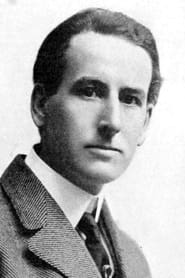
David Miles
Actor
Born: October 10, 1871 in Milwaukee, Wisconsin, United States Died: August 15, 1915 Active: 1909-1912 Birth Name: David William Miles
Films
19 films
Edgar Allan Poe
1909
At the Altar
1909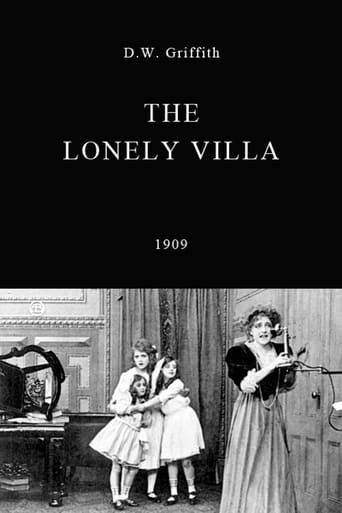
The Lonely Villa
1909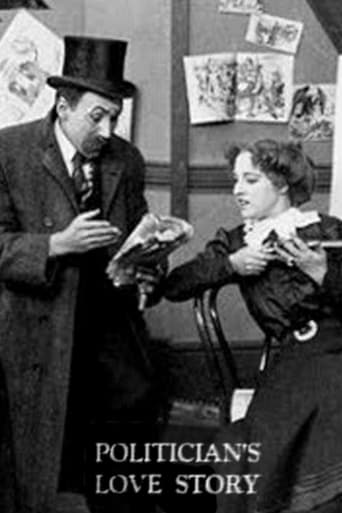
The Politician's Love Story
1909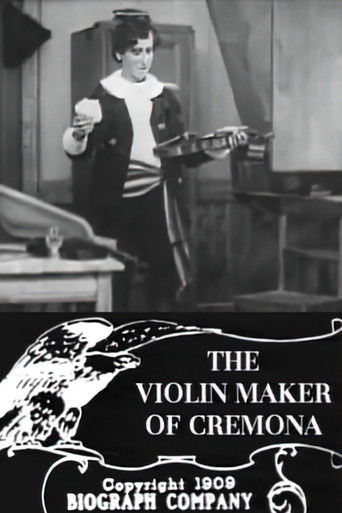
The Violin Maker of Cremona
1909
The Faded Lilies
1909
The Lure of the Gown
1909
The Voice of the Violin
1909
Lucky Jim
1909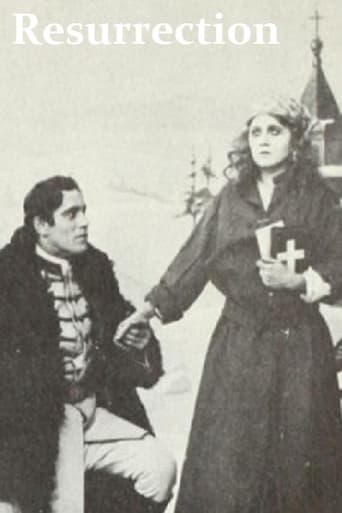
Resurrection
1909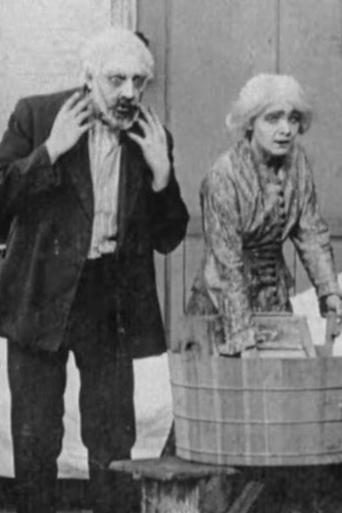
The Necklace
1909
What Drink Did
1909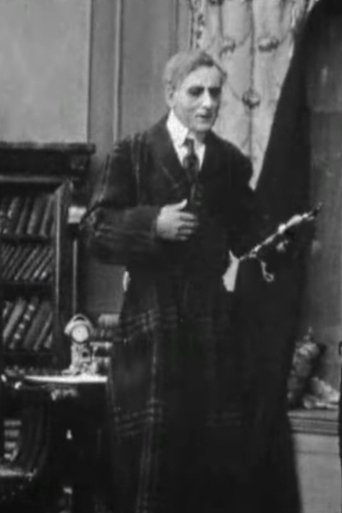
Two Memories
1909
The Joneses Have Amateur Theatricals
1909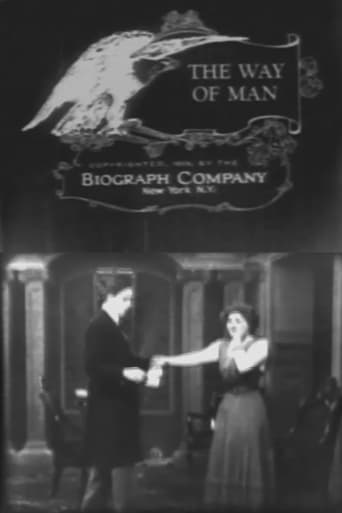
The Way of Man
1909
The Girls and Daddy
1909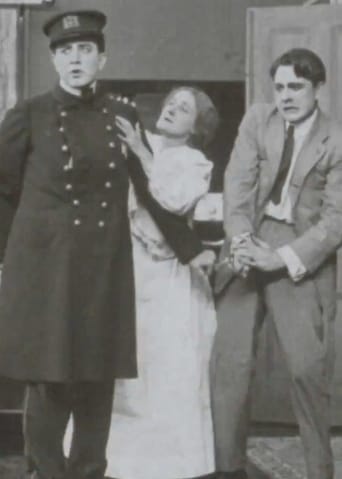
His Duty
1909
The Cricket on the Hearth
1909About David Miles
Prominent stage actor who transitioned into the nascent film industry during its formative years, becoming one of the earliest recognizable faces in American cinema. He began his career in legitimate theater, honing his craft on stages across the United States before catching the attention of filmmakers at the American Mutoscope and Biograph Company. In 1909, Miles joined D.W. Griffith's stock company at Biograph, where he quickly became a reliable character actor, often playing authoritative figures such as fathers, clergymen, and government officials. His theatrical background gave him a commanding presence that translated well to the silent screen, where exaggerated gestures and clear physical expressions were essential for storytelling. Miles appeared in approximately 20-30 films during his brief but prolific film career, all concentrated in the pivotal year of 1909 when Griffith was revolutionizing cinematic language. His performances in films like 'The Lonely Villa' and 'A Trap for Santa Claus' demonstrated his ability to convey complex emotions through subtle facial expressions and body language. Sadly, Miles' promising film career was cut short by health issues, and he retired from acting in the early 1910s, returning to theatrical pursuits before his death in 1915, leaving behind a legacy as one of the pioneers of American film acting.
The Craft
On Screen
David Miles employed a theatrical acting style adapted for the silent medium, characterized by deliberate gestures, expressive facial work, and commanding stage presence. His background in legitimate theater informed his approach, bringing a gravitas and professionalism to early film that helped elevate the medium's artistic credibility. Miles specialized in portraying authority figures and paternal characters, using his tall stature and dignified bearing to convey respectability and wisdom on screen. Unlike many of his contemporaries who relied on broad, exaggerated movements, Miles developed a more subtle approach that took advantage of the camera's ability to capture nuanced expressions, making him particularly effective in dramatic scenes requiring emotional depth.
Milestones
- Joined D.W. Griffith's Biograph stock company (1909)
- Starred in 'The Lonely Villa' (1909)
- Appeared in 'A Trap for Santa Claus' (1909)
- Featured in 'The Politician's Love Story' (1909)
- Performed in 'The Son's Return' (1909)
- Transitioned from stage to film during cinema's infancy
Best Known For
Iconic Roles
Must-See Films
Accolades
Special Recognition
- Pioneer of American Cinema (posthumous recognition)
Working Relationships
Worked Often With
Studios
Why They Matter
Impact on Culture
David Miles played a significant role in the transition from theatrical to cinematic acting styles during a crucial period in film history. As one of the first classically trained actors to embrace the new medium, he helped legitimize film acting as a respectable profession for serious performers. His work with D.W. Griffith contributed to the development of cinematic language, particularly in the use of close-ups and subtle emotional expression that would become hallmarks of film acting. Miles' ability to convey complex emotions through minimal movement influenced a generation of actors who would follow, helping establish film acting as a distinct art form separate from theater. His performances in Griffith's early films demonstrated how screen acting could be both naturalistic and emotionally powerful, setting standards that would evolve throughout the silent era.
Lasting Legacy
David Miles' legacy endures as one of the actors who helped shape the art of film performance during its infancy. Though his career was brief and cut short by illness, his contributions to early American cinema are preserved in the surviving works of D.W. Griffith's Biograph period. Film historians recognize Miles as part of the first generation of professional film actors who successfully adapted theatrical techniques for the camera, paving the way for future screen performers. His work exemplifies the transition from the exaggerated pantomime of early films to the more naturalistic acting style that would dominate cinema in subsequent decades. Miles is remembered in film scholarship as a representative figure of the stage actors who brought legitimacy and artistic credibility to the fledgling motion picture industry.
Who They Inspired
David Miles influenced the development of screen acting techniques through his work with D.W. Griffith, particularly in demonstrating how theatrical training could be adapted for the camera. His performances showed early film actors how to modulate their expressions for close-up shots, a revolutionary technique that Griffith was. Miles' dignified approach to character portrayal helped establish archetypes for authority figures in American cinema that would persist for decades. His collaboration with Griffith contributed to the evolution of film acting from broad gestures to subtle emotional expression, influencing subsequent generations of performers. The professional standards Miles brought from legitimate theater helped elevate the status of film acting from vaudeville entertainment to a respected artistic profession.
Off Screen
David Miles maintained a relatively private personal life despite his public career in entertainment. He married actress Marion Leonard in 1905, who was also a prominent performer in Griffith's Biograph films, making them one of early cinema's first power couples. The couple often appeared together in films, though their marriage reportedly faced strains due to the demanding nature of film work and Miles' declining health. Miles had no known children and spent his later years away from the film industry, focusing on his health and occasional theater work. His death at age 43 was attributed to complications from tuberculosis, a common affliction among theater professionals of the era.
Education
Educated in Milwaukee public schools; received formal theatrical training through apprenticeships with traveling theater companies in the 1890s
Family
- Marion Leonard (1905-1910)
Did You Know?
- Was one of the first professionally trained stage actors to work regularly in films
- Appeared in over 20 films in 1909 alone, making him
- His marriage to Marion Leonard made them early cinema's first celebrity couple
- Worked exclusively with D.W. Griffith at Biograph, never appearing for other studios
- Was taller than most of his contemporaries, making him ideal for authority roles
- His stage background made him one of the highest-paid actors at Biograph
- Retired from films before the feature-length era began
- Many of his films are considered lost, a common fate for early Biograph productions
- Helped train younger actors transitioning from stage to screen
- Was part of Griffith's experiments with close-up shots, which were controversial at the time
In Their Own Words
The stage teaches you to reach the back row, but film teaches you to whisper to the camera
We are pioneers in a new art form, and we must write its rules as we go
The camera sees everything the audience cannot - it demands truth in the smallest gesture
Frequently Asked Questions
Who was David Miles?
American actor who transitioned from stage to film during the early silent era, best known for his work with on YTB.my.W. Griffith at the Biograph Studio in 1909. He was one of the first professionally trained theatrical actors to embrace cinema, appearing in numerous films that helped establish the language of motion pictures.
What films is David Miles best known for?
Titles linked here include The Lonely Villa (1909), A Trap for Santa Claus (1909).
When was David Miles born and when did he die?
Born October 10, 1871; died August 15, 1915.
What awards did David Miles win?
David Miles did not receive any formal awards during his lifetime, as the film industry had not yet established award ceremonies during his active period. He is recognized today as a pioneer of American cinema for his contributions to early film acting techniques.
What was David Miles' acting style?
Miles employed a theatrical acting style adapted for the silent film medium, characterized by deliberate gestures and expressive facial work. Unlike many contemporaries who used exaggerated movements, he developed a more subtle approach that took advantage of the camera's ability to capture nuanced expressions, particularly effective for his frequent roles as authority figures.