The Lonely Villa
"Barricaded children, racing father"
Keys: Space play/pause · ←/→ 10s · F fullscreen · M mute · </> speed
About this film
Burglars lure a father from home, trap his wife and children inside, and force him into a desperate race against time to save them.
Cast & crew
More Thriller films
View all →

More from D.W. Griffith
View all →
More about this film
About the production
Release dateJune 1909
Box officeUnknown (box office tracking was not standardized in 1909)
ProductionAmerican Mutoscope and Biograph Company
Filmed inBiograph Studio, New York City, Fort Lee, New Jersey
This film was produced during D.W. Griffith's prolific period at Biograph, where he directed dozens of short films annually. The production utilized Biograph's proprietary 68mm film format, which provided exceptional image quality for the era. The interior scenes were shot on studio sets, while some exterior footage may have been filmed on location in Fort Lee, New Jersey, which was becoming the center of American film production before the industry moved to Hollywood.
Themes
Family vulnerabilityHome invasionProtection of loved onesClass conflictUrban danger
Themes & topics
burglarysuspensefamily in perilrace against timelast-minute rescuecross-cuttinghome invasioncriminalstelephonedoor breakingthrillersilent filmD.W. Griffith
Historical background
D.W. Griffith's 1909 Biograph thriller refined cross-cutting between threatened victims and a rescuer rushing home.
Why this film matters
Widely taught as a landmark in editing technique, it demonstrated how parallel action could build suspense without dialogue.
Making of
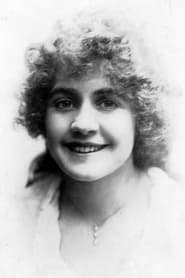
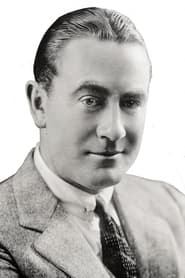
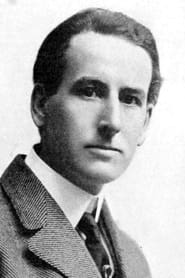
D.W. Griffith was rapidly developing his directorial style during this period, experimenting with narrative techniques that would revolutionize cinema. The Biograph Company operated on an assembly-line system, producing films quickly and efficiently. Griffith would often shoot multiple films in a single week, reusing sets and actors. The cast, including Mary Pickford and Marion Leonard, were part of Griffith's regular stock company at Biograph. The production process was primitive by modern standards, with natural lighting used whenever possible and scenes shot in sequence due to the difficulty of editing. Griffith was already pushing the boundaries of what was considered acceptable in terms of on-screen violence and emotional intensity, which sometimes caused controversy but also drew audiences to Biograph's releases.
What critics said
Biograph's rapid release schedule made it a program staple; film schools still analyze its cutting patterns.
Did you know?
- is considered one of the earliest examples of the thriller genre in cinema history
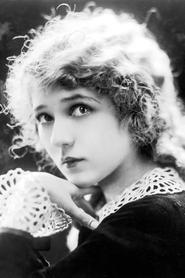
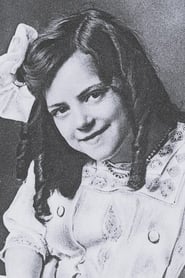
- Mary Pickford, who plays one of the daughters, would later become 'America's Sweetheart' and co-found United Artists
- The film Griffith's pioneering use of cross-cutting to build suspense, a technique that would become fundamental to cinema
- The burglars in the film use a telephone to coordinate their crime, reflecting the technological sophistication of the era
- The original Biograph film was shot on 68mm film stock, much larger than the standard 35mm that would later become industry standard
- This was one of over 450 short films Griffith directed for Biograph between 1908 and 1913
- The film's structure influenced Alfred Hitchcock's suspense techniques decades later
- The breaking down of the door scene was considered particularly shocking and realistic for 1909 audiences
- Biograph often released films without individual titles, relying on their catalog numbers for identification
- The film's success helped establish the 'last-minute rescue' trope that would become a staple of American cinema
Visual style
The cinematography by G.W. Bitzer, Griffith's regular cameraman at Biograph, utilized the company's distinctive 68mm film format, which produced exceptionally sharp images for the time. The camera work is relatively static by modern standards, typical of the era, but shows careful composition and attention to detail. The interior scenes were lit with available light and reflectors, creating a naturalistic atmosphere that enhanced the film's tension. Bitzer's photography captured the emotional performances of the actors with remarkable clarity, allowing audiences to read facial expressions and body language crucial to the silent storytelling. The cross-cutting sequences required precise timing and coordination between camera setups, demonstrating the growing sophistication of film production techniques. The visual style established in would influence Griffith's subsequent work and help define the look of American cinema in its formative years.
Innovations
The Lonely Villa is celebrated for its pioneering use of cross-cutting to build suspense, a technique that was revolutionary in 1909. Griffith's parallel editing between multiple locations and simultaneous action sequences was groundbreaking and would become a fundamental tool of cinematic language. The film also demonstrates sophisticated narrative structure for its era, with clear character motivations and a well-developed three-act structure compressed into its short running time. The production utilized Biograph's proprietary 68mm film format, which provided superior image quality compared to the 35mm that would later become standard. The film's pacing and rhythm, controlled through editing, showed remarkable sophistication for early cinema. The use of location shooting combined with studio sets demonstrated an understanding of how different environments could serve narrative needs. These technical innovations helped establish conventions that would dominate Hollywood filmmaking for decades.
Music
As a silent film, The Lonely Villa would have been accompanied by live musical performance during its original theatrical run. The typical accompaniment might have included a pianist or small orchestra playing popular songs of the era, classical pieces, and improvised music that matched the on-screen action. During suspenseful sequences, musicians would often play rapid, agitated music to enhance the tension, while romantic or family scenes would be accompanied by more melodic compositions. The Biograph Company sometimes provided musical suggestions with their films, recommending specific pieces that theater musicians could use. Modern screenings of the film typically feature newly composed scores or carefully selected period music that enhances the film's dramatic impact. The absence of recorded dialogue makes the visual storytelling and musical accompaniment particularly important to the film's effectiveness.
What audiences thought
The Lonely Villa was very popular with contemporary audiences, who were thrilled by its suspenseful narrative and emotional intensity. Nickelodeon patrons of the era responded enthusiastically to the film's tension and the climactic rescue sequence. The film's success at the box office helped cement Biograph's reputation as a producer of quality dramatic films. Audience reaction to the home invasion scenario demonstrated that early 20th century moviegoers were sophisticated enough to follow complex narratives and respond emotionally to cinematic situations. The film's popularity contributed to Mary Pickford's growing fan base, helping launch her toward superstardom. Modern audiences viewing the film in retrospectives and film festivals continue to appreciate its technical achievements and ability to generate suspense despite its age and primitive production methods.
Film connections
Influenced by
- Edgar Allan Poe's tales of terror
- Victorian melodrama
- Stage thrillers of the 19th century
- Earlier Biograph shorts
- French crime films
- Literary traditions of the vulnerable family
This film influenced
- The Lonedale Operator
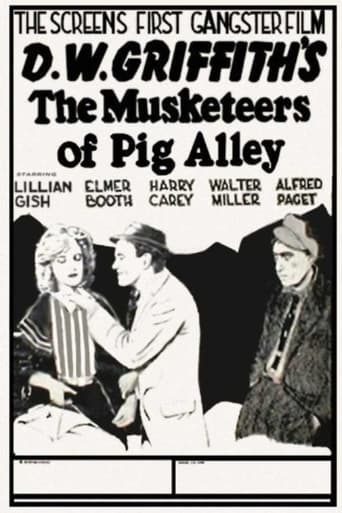
- The Musketeers of Pig Alley
- The Birth of a Nation
- Intolerance
- The Last Laugh
- Safety Last!
- The Lady Vanishes
- Strangers on a Train
- Wait Until Dark
- Panic Room
- similarFilms
Where to watch
- Wikimedia Commons: https://commons.wikimedia.org/wiki/File:Lonely%20Villa%20(1909).webm