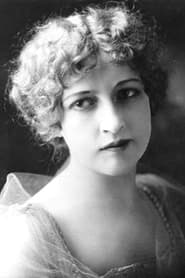
Marion Leonard
Actor
Born: June 9, 1881 in Cincinnati, Ohio, United States Died: January 9, 1956 Active: 1908-1915
Films
37 films

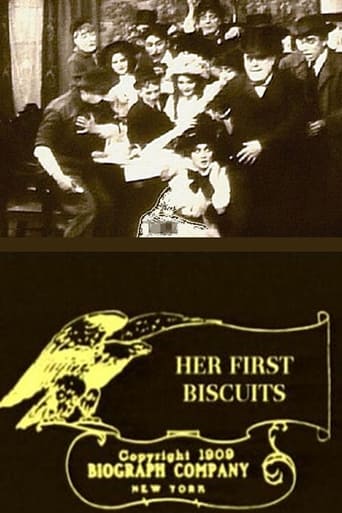
The Sealed Room
1909
At the Altar
1909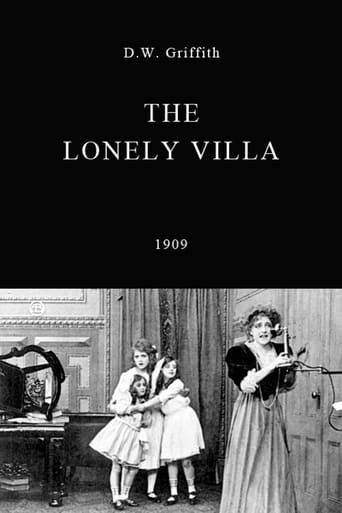
The Lonely Villa
1909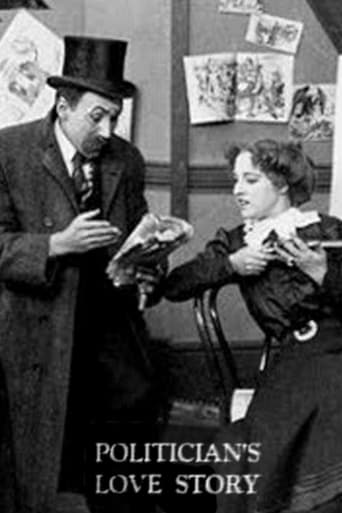
The Politician's Love Story
1909
An Awful Moment
1908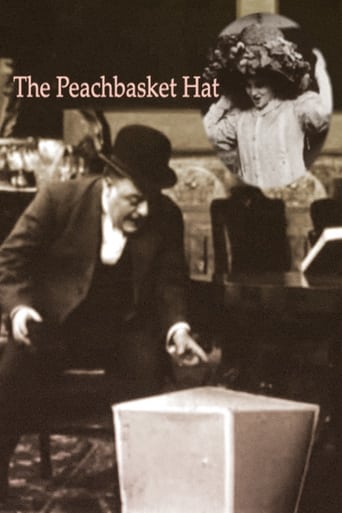
The Peachbasket Hat
1909
The Golden Louis
1909
Father Gets in the Game
1908
The Violin Maker of Cremona
1909
The Faded Lilies
1909
The Lure of the Gown
1909
A Drunkard's Reformation
1909
The Cord of Life
1909
Comata, the Sioux
1909
The Voice of the Violin
1909
The Day After
1909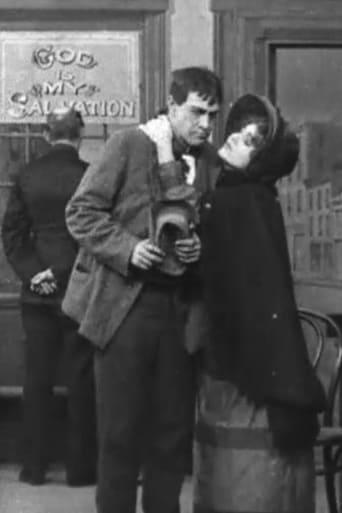
The Salvation Army Lass
1909
Lucky Jim
1909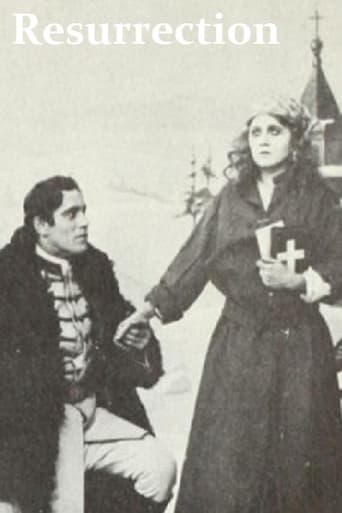
Resurrection
1909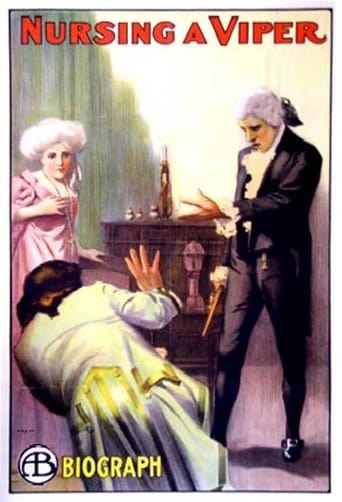
Nursing a Viper
1909
A Trap for Santa Claus
1909
The Oath and the Man
1910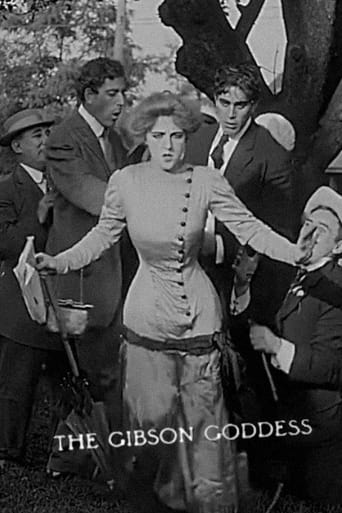
The Gibson Goddess
1909
Through the Breakers
1909
Two Memories
1909
The Fatal Hour
1908
The Sorrows of the Unfaithful
1910
The Joneses Have Amateur Theatricals
1909
Pippa Passes
1909
The Way of Man
1909
The Girls and Daddy
1909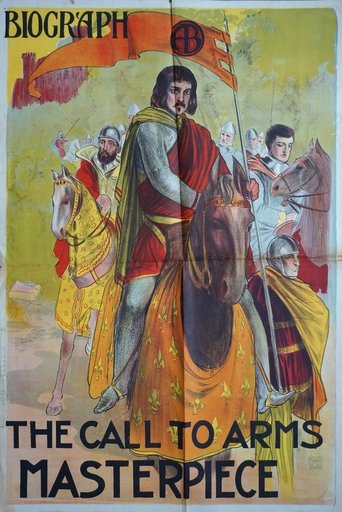
The Call to Arms
1910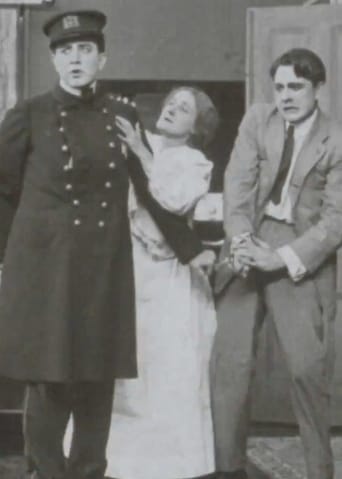
His Duty
1909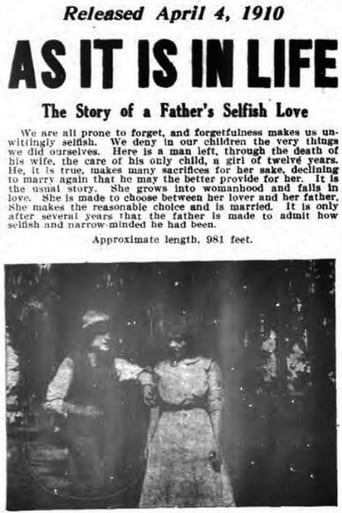
As It Is in Life
1910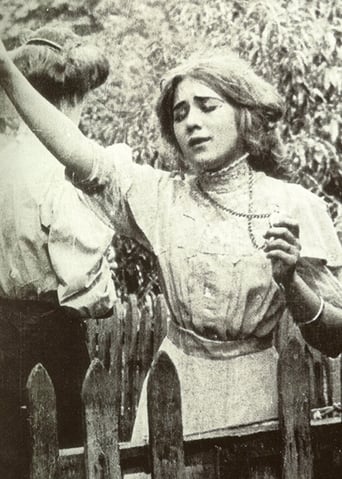
The Broken Locket
1909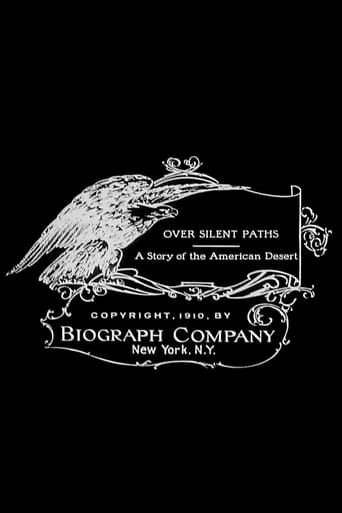
Over Silent Paths
1910About Marion Leonard
American actress of the silent film era who rose to prominence as one of D.W. Griffith's leading ladies at the Biograph Studio. Born in Cincinnati, Ohio, she began her career on the stage before transitioning to motion pictures in 1908, appearing in Griffith's early one-reelers. Leonard quickly became recognizable faces of early American cinema, starring in dozens of short films between 1908 and 1910. Her expressive acting style and natural screen presence made her particularly effective in dramatic roles, and she often played sophisticated, emotionally complex characters. She was among the first film actors to achieve genuine star status, with audiences specifically seeking out her performances. Leonard's career peaked during her Biograph years, where she frequently collaborated with other early cinema pioneers like Mary Pickford and Mack Sennett. After leaving Biograph in 1911, her film career gradually declined, though she continued to appear in films sporadically through the mid-1910s before retiring from acting altogether.
The Craft
On Screen
Leonard was known for her naturalistic and emotionally expressive acting style, which stood out during the theatrical era of early cinema. She employed subtle facial expressions and restrained gestures, avoiding the exaggerated pantomime common in silent film acting. Her performances were characterized by a sophisticated emotional range, allowing her to convey complex feelings through nuanced expressions rather than overt dramatics. Leonard's background in stage acting gave her a foundation in character development that she successfully adapted to the intimate medium of film.
Milestones
- Signed with Biograph Studio in 1908
- Became one of D.W. Griffith's principal actresses
- Starred in over 60 short films during her peak years
- One of the first genuine film stars in American cinema
- Transitioned from stage to film during cinema's infancy
Best Known For
Iconic Roles
Must-See Films
Accolades
Special Recognition
- Recognized as one of cinema's first true stars
- Pioneer of American silent film acting
Working Relationships
Worked Often With
Studios
Why They Matter
Impact on Culture
Marion Leonard played a crucial role in the development of American cinema as one of its first genuine stars. At a time when most actors were anonymous, Leonard's face became recognizable to audiences across the country, helping establish the concept of film stardom. Her work with D.W. Griffith contributed to the evolution of film acting from theatrical pantomime to more naturalistic performance styles. Leonard demonstrated that film could support sophisticated dramatic performances, helping elevate the medium's artistic credibility. Her popularity helped prove that audiences would return to see films featuring specific performers, establishing the star system that would dominate Hollywood for decades.
Lasting Legacy
Marion Leonard's legacy lies in her role as one of America's first film stars and her contributions to establishing naturalistic acting techniques in early cinema. Though her career was brief compared to later Hollywood legends, her impact was significant during cinema's formative years. Leonard represents the transition from stage to screen acting and helped demonstrate that film could be a medium for serious dramatic performance. Her work with D.W. Griffith at Biograph Studio places her among the foundational figures of American cinema history. Film historians recognize her as an important figure in the development of the star system and the evolution of screen acting techniques.
Who They Inspired
Leonard influenced subsequent generations of actors by demonstrating that subtle, naturalistic performances could be effective on screen. Her success helped establish that film actors could achieve genuine celebrity status, paving the way for future Hollywood stars. Her work with Griffith contributed to the development of cinematic acting techniques that would become standard in the industry. Younger actresses at Biograph, including Mary Pickford, learned from Leonard's approach to screen performance. Her career trajectory also illustrated both the opportunities and limitations faced by early film stars, particularly women, in the rapidly evolving film industry.
Off Screen
Marion Leonard married fellow actor and director Herbert Yost in 1911, who was also known by his stage name Carlyle Blackwell. The couple remained married until Leonard's death in 1956. After retiring from films, Leonard largely withdrew from public life and focused on her marriage. She spent her later years in California, living a relatively private life away from the Hollywood spotlight. Her death in 1956 marked the passing of one of the last surviving stars from cinema's earliest days.
Education
Educated in Cincinnati, Ohio; likely received formal education in dramatic arts given her stage background
Family
- Herbert Yost (Carlyle Blackwell) (1911-1956)
Did You Know?
- One of the first film actors to receive screen credit, helping establish the star system
- Appeared in over 60 films during her brief but prolific career
- Her marriage to Herbert Yost/Carlyle Blackwell lasted 45 years until her death
- Began her film career at age 27, relatively late for early film stars
- Worked exclusively with Biograph Studio during her peak years
- Was among the highest-paid actresses of her era, earning $25 per week
- Retired from films shortly after her marriage, prioritizing her personal life
- Her films were often shot in just a few days, typical of early one-reeler production
- Survived the transition from short films to feature-length cinema without participating
- One of the few early Biograph stars to live into the television era
In Their Own Words
The motion picture is a wonderful medium for the actress who can express emotion without words.
Frequently Asked Questions
Who was Marion Leonard?
American silent film actress who rose to fame as one of D.W. Griffith's leading ladies at Biograph Studio. She was one of cinema's first genuine stars, appearing in over 60 short films between 1908 and 1915 and helping establish the foundation for film acting and the Hollywood star system.
What films is Marion Leonard best known for?
Titles linked here include The Sealed Room (1909), An Awful Moment (1908).
When was Marion Leonard born and when did she die?
Born June 9, 1881; died January 9, 1956.
What awards did Marion Leonard win?
Marion Leonard did not receive formal awards during her career, as the film industry's award systems were not established during her active years. However, she is recognized by film historians as a figure and one of cinema's first true stars, with her legacy honored through historical documentation and film preservation efforts.
What was Marion Leonard's acting style?
Leonard was known for her naturalistic and emotionally expressive acting style, which contrasted with the theatrical pantomime common in early cinema. She used subtle facial expressions and restrained gestures to convey complex emotions, helping establish more realistic screen acting techniques that would influence future generations of performers.