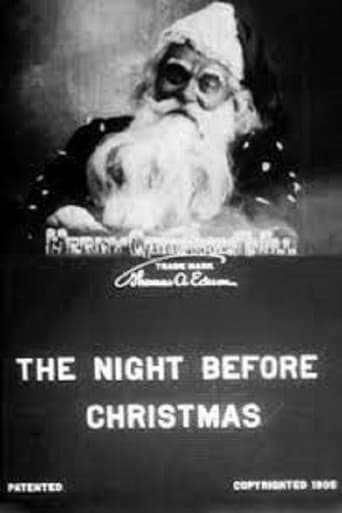
A Trap for Santa Claus
"Children bait a trap and catch the wrong intruder."
Keys: Space play/pause · ←/→ 10s · F fullscreen · M mute · </> speed
About this film
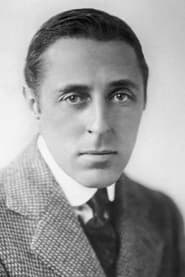
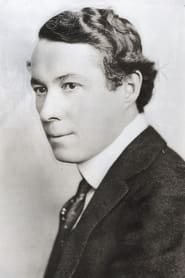
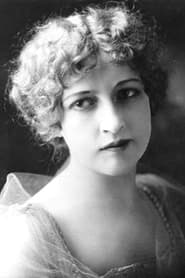
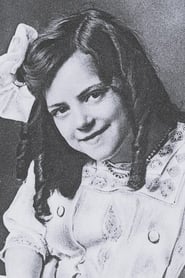
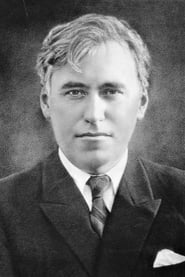
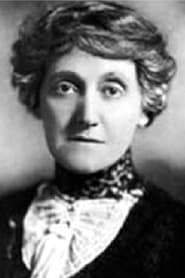
The children of a household attempt to capture Santa, but they catch something else entirely. Walthall, Marion Leonard, and Gladys Egan.
Cast & crew
More films like this
More Drama films
View all →







More from D.W. Griffith
View all →
More about this film
About the production
Release dateDecember 1909
Box officeBox office records for individual Biograph shorts from 1909 are not preserved
ProductionAmerican Mutoscope and Biograph Company
Filmed inBiograph Studio, New York City
This film was shot in a single day, as was typical for Biograph productions of this era. The indoor scenes were filmed on simple sets with painted backdrops, a common practice in early cinema. The chimney effect was created using stage tricks and clever camera positioning.
Themes
Family reunionChristmas miraclesChildhood innocenceHoliday expectationsThe true meaning of Christmas
Themes & topics
ChristmasSanta ClausChildrenFamilyHolidaySurprise endingTrapFatherHomecomingChristmas Eve
Historical background
Viewers around 1909 encountered A Trap for Santa Claus in a market learning how screen stories could carry social themes as well as spectacle.
Why this film matters
Surviving prints of A Trap for Santa Claus help researchers study how 1909-era filmmakers solved storytelling with limited means.
Making of
D.W. Griffith was in his first year as a director at Biograph when he made this film, working with a stock company of actors he would use repeatedly. The child actors, particularly Gladys Egan, were becoming favorites of Griffith for their natural performances. The production was rushed, as most Biograph films were, but Griffith already showed his attention to emotional detail. The film was shot using natural light coming through the studio windows, a technique Griffith preferred before the advent of sophisticated lighting equipment. The set design was minimal but effective, with the Christmas tree and fireplace creating the necessary holiday atmosphere. The film was shot in a single take for most scenes, a necessity given the technical limitations of early cameras.
What critics said
Specialist writers today emphasize preservation and access when a viewable copy of A Trap for Santa Claus survives.
Did you know?
- This was one of the earliest films to feature Santa Claus as a central character, helping establish cinematic Christmas traditions
- The film was released just in time for Christmas 1909, making it a holiday release strategy that studios still use today
- Henry B. Walthall would later become famous for his role as the Little Colonel in Griffith's controversial 1915 film 'The Birth of a Nation'
- The film demonstrates Griffith's early mastery of emotional storytelling, a skill that would define his later career
- Unlike many films of the era, this one survives in relatively good condition and is preserved by the Library of Congress
- The trap mechanism shown in the film was actually a real prop that the child actors could operate
- Biograph films of this period were typically shot on 35mm film but printed on 68mm for exhibition, a unique format of the company
- This film was part of Griffith's prolific 1909 output, during which he directed over 60 short films
- The Christmas tree shown in the film was decorated with actual candles, as electric Christmas lights were still rare and expensive in 1909
- The film's simple but effective narrative structure influenced countless later Christmas movies about children's holiday expectations
Visual style
The cinematography by G.W. Bitzer, Griffith's regular cameraman, uses static camera positions typical of the era but with careful composition to maximize emotional impact. The lighting relies heavily on natural sources, creating a warm, intimate atmosphere particularly in the indoor scenes. Bitzer uses medium shots to capture the children's actions and expressions, a technique that helps establish their characters. The film demonstrates the emerging visual language of cinema, with shots composed to guide the viewer's attention to important story elements.
Innovations
While not technically innovative, the film demonstrates Griffith's growing mastery of film grammar. The use of cross-cutting between the children waiting and the father's journey home, though simple, shows the narrative techniques Griffith was developing. The film's clear storytelling through visual means, without the need for intertitles to explain the plot, represents an advancement in cinematic communication. The effective use of props and set design to create emotional impact shows the technical sophistication emerging in American cinema.
Music
As a silent film, it had no synchronized soundtrack. In theaters, it would have been accompanied by live music, typically a pianist or small orchestra. The musical accompaniment would have included popular Christmas carols of the era, such as 'Jingle Bells' and 'Silent Night,' along with dramatic underscore for emotional moments. The score would have been improvised by the house musician or selected from the theater's collection of appropriate musical pieces.
Famous quotes
(Intertitle) 'The children set a trap for Santa Claus'
(Intertitle) 'But they caught something better'
(Intertitle) 'Father has come home!'
Memorable scenes
- The children carefully setting their trap with rope and basket by the fireplace, showing their innocent determination to catch Santa
- The moment the trap springs and the children rush to see what they've caught, their faces filled with anticipation
- The emotional reveal when the children discover they've caught their father instead of Santa, leading to a joyful family embrace
What audiences thought
The film was popular with audiences of its time, particularly families seeking appropriate holiday entertainment. Its Christmas theme made it a seasonal favorite, and Biograph often re-released it during subsequent holiday seasons. Contemporary audience reactions, as reported in trade papers, were overwhelmingly positive, with many viewers noting the emotional impact of the father's return scene. The film's simple but effective storytelling made it accessible to audiences of all ages and backgrounds.
Film connections
Influenced by
- Victorian Christmas literature
- Contemporary stage plays about family reunions
- Earlier Biograph shorts featuring children
- Traditional Christmas folklore and legends
This film influenced
- Numerous later Christmas films featuring children's encounters with Santa
- Family reunion Christmas movies
- Films about unexpected holiday miracles
- Christmas films with surprise endings
Film restoration
The film is preserved in the Library of Congress collection and has been digitally restored. It survives in good condition for a film of its age and is available for viewing through various film archives and special collections.
Where to watch
- Library of Congress National Screening Room
- Various film archive streaming services
- Included in some D.W. Griffith retrospective collections
- Available through some educational film databases
- Occasionally screened at classic film festivals and Christmas film retrospectives