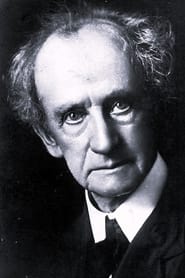
W. Chrystie Miller
Actor
Born: June 14, 1863 in Cincinnati, Ohio, USA Died: September 8, 1922 Active: 1908-1913 Birth Name: William Chrystie Miller
Films
26 films

A Corner in Wheat
1909
The Renunciation
1909
The Zulu's Heart
1908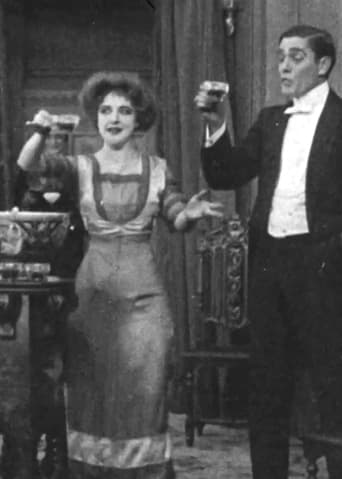
The Day After
1909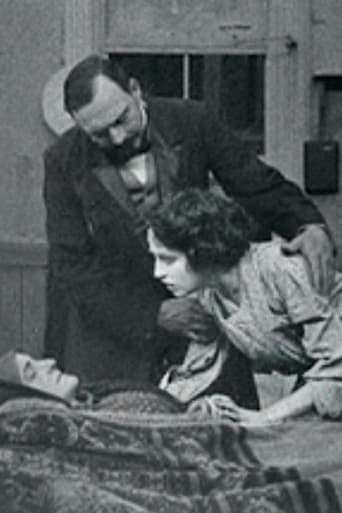
A Child of the Ghetto
1910
Faithful
1910
A Trap for Santa Claus
1909
The Oath and the Man
1910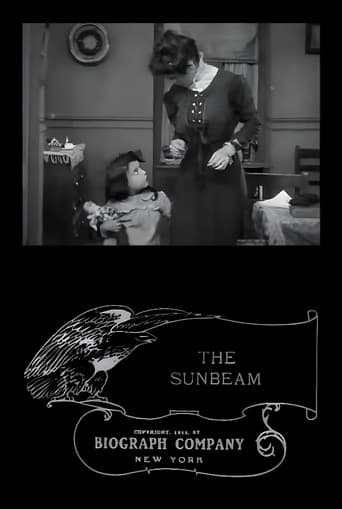
The Sunbeam
1912
The Adventures of Billy
1911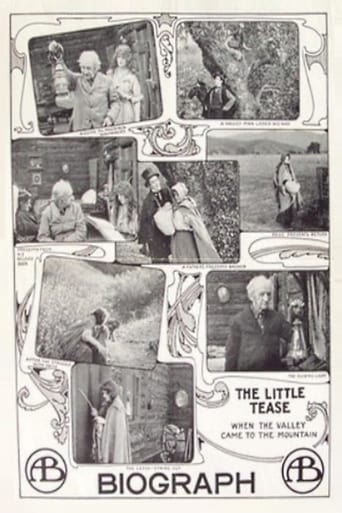
The Little Tease
1913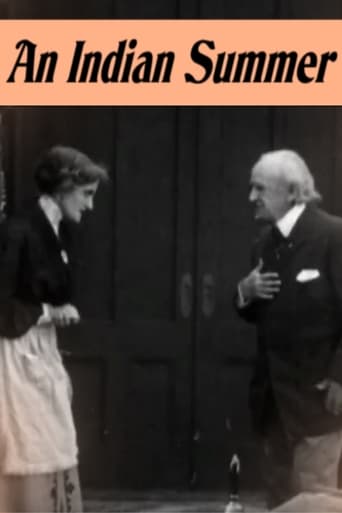
An Indian Summer
1912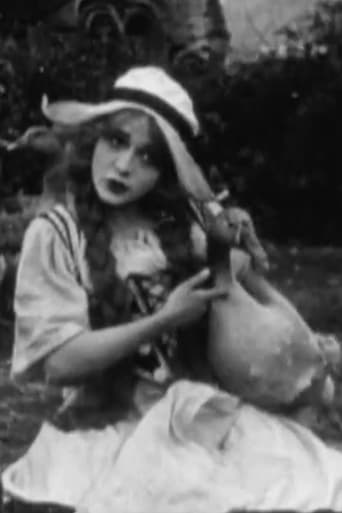
Lena and the Geese
1912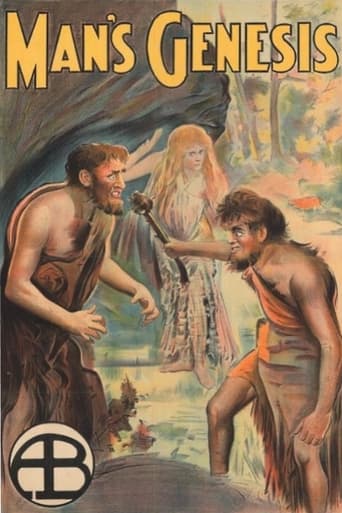
Man's Genesis
1912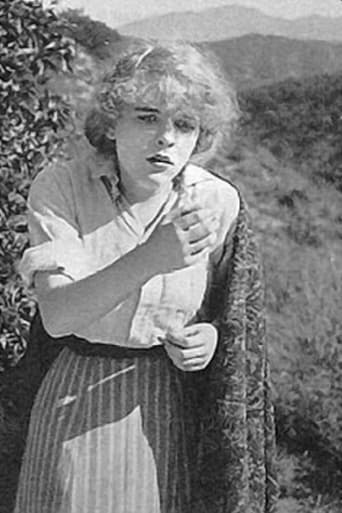
The Goddess of Sagebrush Gulch
1912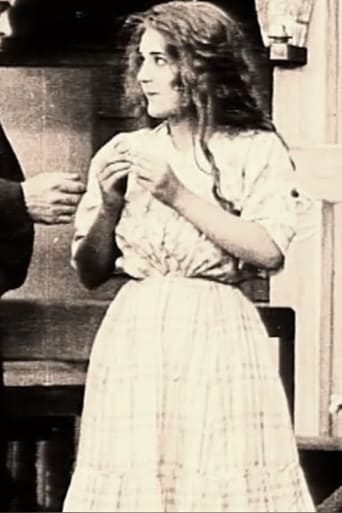
The Sorrows of the Unfaithful
1910
What Shall We Do with Our Old?
1911
In Life's Cycle
1910
Unexpected Help
1910
My Baby
1912
His Trust
1911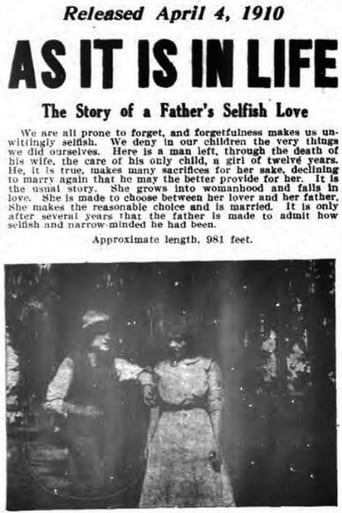
As It Is in Life
1910
Over Silent Paths
1910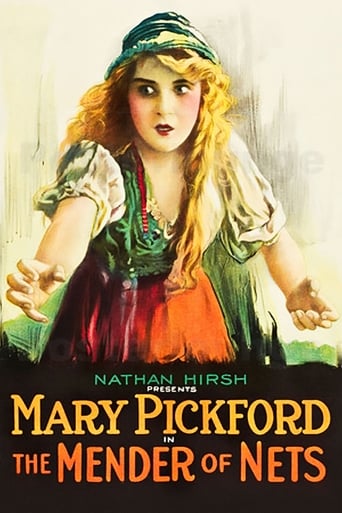
The Mender of Nets
1912
The Old Actor
1912About W. Chrystie Miller
American silent film actor who was one of the performers in early cinema, working primarily with D.W. Griffith at the Biograph Company during the crucial formative years of American film. Born in the mid-19th century, Miller was already middle-aged when he entered the film industry around 1908, bringing a mature presence to the emerging medium. W. Appears in numerous short films between 1908 and 1913, often playing fathers, elderly gentlemen, and authority figures in Griffith's increasingly sophisticated narratives. Miller was part of the stock company of actors that Griffith relied upon for his prolific output at Biograph, appearing in some of the director's most important early works including the acclaimed 'A Corner in Wheat' (1909). Though never a leading man, Miller's character performances provided essential gravitas and authenticity to Griffith's films during this period when American cinema was developing its visual and narrative language. His career concluded around 1913, just as feature films were beginning to replace shorts as the dominant form of cinematic entertainment.
The Craft
On Screen
Miller's acting style was typical of the transitional period between stage and screen acting, featuring broad gestures and exaggerated expressions that were necessary for audiences to read emotions in early silent films. As a character actor specializing in older roles, he brought a dignified, paternal presence to his performances, often serving as moral anchors or authority figures in Griffith's narratives. His technique evolved from theatrical roots to become more camera-conscious, though still maintaining the pronounced physicality required of early cinema.
Milestones
- Member of D.W. Griffith's Biograph stock company
- Appeared in 'A Corner in Wheat' (1909), one of Griffith's most acclaimed early films
- Performed in over 50 films during the early silent era
- Worked during the pivotal development period of American narrative cinema
- Appeared in 'A Trap for Santa Claus' (1909), an early Christmas film
Best Known For
Iconic Roles
Must-See Films
Accolades
Special Recognition
- Recognized by film historians as an important contributor to early American cinema
- Documented in Biograph Company archives as a significant character actor
Working Relationships
Worked Often With
Studios
Why They Matter
Impact on Culture
W. Chrystie Miller contributed to the development of American narrative cinema during its most crucial formative years. As part of D.W. Griffith's Biograph stock company, he helped establish the visual language and storytelling techniques that would define Hollywood cinema for decades. His performances in films like 'A Corner in Wheat' supported Griffith's experiments with cross-cutting and social commentary, techniques that would become fundamental to cinema. Miller represents the generation of stage actors who successfully transitioned to film, helping bridge theatrical traditions with the new medium's requirements.
Lasting Legacy
Miller's legacy lies in his contribution to over fifty early American films that helped establish the foundation of Hollywood cinema. Though not a star, his consistent work as a character actor provided essential support to the narratives that were developing cinematic storytelling. Film historians and preservationists recognize him as part of the essential foundation of American film history, with his surviving performances serving as valuable documentation of early acting techniques and film production methods.
Who They Inspired
As a supporting actor rather than a star, Miller's direct influence on other performers was limited. However, his work influenced the development of character acting in cinema, demonstrating how mature actors could find meaningful roles in the new medium. His performances helped establish archetypes for older characters in American film that would be refined by subsequent generations of character actors.
Off Screen
W. Chrystie Miller lived during a transformative period in American history, witnessing the birth and early development of cinema. He was born during the Civil War era and lived to see the rise of Hollywood as the entertainment capital of the world. His decision to enter films in his mid-40s was unusual for the time, as most early film actors were younger. Miller spent his later years away from the film industry, living in New York until his death in 1922, just as the film industry was transitioning to the studio system and feature-length productions.
Education
Limited formal education typical of the period; likely received basic schooling in Cincinnati during the Reconstruction era
Family
- Florence Miller (married 1886-1922)
Did You Know?
- Was already 45 years old when he began his film career in 1908
- Appeared in D.W. Griffith's first film as director, 'The Adventures of Dollie' (1908)
- Worked during the Biograph Company's most productive period when they produced up to three films per week
- His real first name was William, though he was credited as W. Chrystie Miller
- Died before the Hollywood studio system was fully established
- Never appeared in a feature-length film, as his career ended before features became standard
- Was part of the transition from actuality films to narrative cinema
- Worked alongside many future stars before they achieved fame
- His death in 1922 meant he missed the transition to sound films
- Film historians estimate he appeared in over 50 films, though many are now lost
In Their Own Words
No documented famous quotes from Miller, typical of supporting actors of the silent era who rarely gave interviews or had their words preserved in print
Frequently Asked Questions
Who was W. Chrystie Miller?
American silent film with credits in this catalog.W. Griffith at the Biograph Company from 1908 to 1913. He was a character actor who appeared in over fifty early films, often playing fathers and elderly gentlemen during the crucial formative years of American cinema.
What films is W. Chrystie Miller best known for?
Titles linked here include A Corner in Wheat (1909), The Zulu's Heart (1908).
When was W. Chrystie Miller born and when did he die?
Born June 14, 1863; died September 8, 1922.
What awards did W. Chrystie Miller win?
W. Chrystie Miller did not receive any formal awards during his career, as the Academy Awards and other major film honors were not established until after his death. His recognition comes primarily from film historians who acknowledge his contributions to early American cinema.
What was W. Chrystie Miller's acting style?
Miller's acting style was typical of the transitional period between stage and screen, featuring broad gestures and exaggerated expressions necessary for early silent films. He specialized in dignified, paternal roles that provided moral anchors in Griffith's narratives, evolving from theatrical techniques to more camera-conscious performances.