The Zulu's Heart
"A Boer woman and her daughter are captured by Zulu warriors."
Keys: Space play/pause · ←/→ 10s · F fullscreen · M mute · </> speed
About this film
Location footage was shot in Cliffside, New Jersey. White actors in blackface portray Zulus. A Boer woman and her daughter are captured by Zulu warriors. Griffith for the American Mutoscope and Biograph Company.
Cast & crew
More Action films
View all →

More from D.W. Griffith
View all →
More about this film
About the production
Release dateJune 1908
Box officeUnknown (box office figures were not systematically tracked for films of this era)
ProductionAmerican Mutoscope and Biograph Company
Filmed inFort Lee, New Jersey, Biograph Studio, New York City
Was shot in just one or two days, typical of Biograph's rapid production schedule. The Zulu warriors were portrayed by white actors in blackface, a common but problematic practice of the era. The outdoor scenes were filmed on location in New Jersey, where Biograph had established facilities to take advantage of natural lighting. The film was shot on 35mm film with Biograph's proprietary camera system, which used an unusual 68mm film format before being cropped to standard 35mm for release.
Themes
Family loyalty and protectionColonial conflict and racial dynamicsHeroic masculinity and rescue narrativesCivilization versus savageryParental devotion
Themes & topics
Historical background
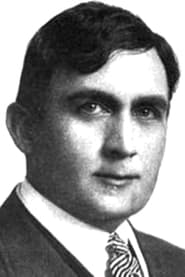
Made in 1908, in United States, under D. W. Griffith, The Zulu's Heart belongs to drama film filmmaking during early cinema when shorts dominated nickelodeon programs. The Zulu's Heart is an extant 1908 American silent short drama film directed by D.
Why this film matters
Within drama film history, D. W. Griffith's name attaches to the work; surviving prints help researchers study silent-era craft; 1908 film.
Making of
The production of 'The Zulu's Heart' took place during a remarkably prolific period in D.W. Griffith's early career. Griffith had joined Biograph in 1908 and was quickly churning out multiple short films per week. The studio operated on an assembly-line system where films were shot quickly and efficiently. For this particular production, the cast and crew would have worked long hours to complete filming in just a day or two. The outdoor sequences presented challenges in terms of weather and lighting, as Biograph had not yet invested in artificial lighting equipment. The makeup and costuming for the Zulu characters was rudimentary by modern standards, reflecting both the limited resources and the casual racism of the era. Florence Lawrence, who would later become cinema's first major star, was still a relatively unknown actress at this time, working steadily but not yet commanding the attention she would soon receive. The film's action sequences required careful choreography despite the limited camera mobility of the period, with Griffith already showing an interest in creating dynamic visual storytelling within the technical constraints of early cinema.
What critics said
Contemporary reviews of The Zulu's Heart are sparse in open sources; later catalog entries chiefly summarize plot and credits.
Did you know?
- This was one of D.W. Griffith's earliest directorial efforts, made when he was still learning the craft of filmmaking at Biograph
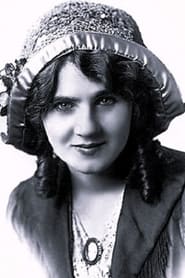
- Florence Lawrence, who plays the Boer woman, would later become known as 'The First Movie Star' though she was not yet famous when this film was made
- Part of Biograph's strategy to produce action-oriented shorts that would appeal to working-class audiences
- Charles Inslee, who plays the Boer father, was a regular collaborator with Griffith during his Biograph period
- The film's depiction of Zulu warriors reflects the colonial attitudes and racial stereotypes prevalent in early 20th century America
- Was likely distributed as part of a mixed program with other one-reel films, which was the standard exhibition format of the time
- Produced before Griffith developed his more sophisticated cross-cutting techniques that would later revolutionize cinema
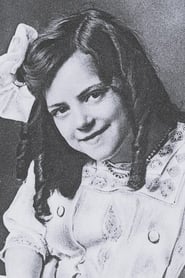
- Gladys Egan, who plays the daughter, was one of the first professional child actors in American cinema
- The film's title suggests a focus on the Zulu perspective, but the narrative actually centers on the white protagonists
- Was made during the same period that Griffith was directing dozens of other shorts, sometimes completing multiple films in a single week
Visual style
The cinematography of 'The Zulu's Heart' reflects the technical limitations and conventions of 1908 filmmaking. The film was shot using the Biograph camera, which was relatively large and immobile, limiting camera movement to basic pans and tilts. The cinematographer, likely Billy Bitzer or another Biograph regular, would have relied exclusively on natural light for the outdoor scenes, as artificial lighting was not yet commonly used in film production. The camera was typically positioned at a fixed distance from the action, resulting in the long shots that were standard for the period. The film stock used would have been orthochromatic, which was less sensitive to red light and created a distinctive visual quality. The framing would have been composed to capture the full action within the frame, as editing techniques were still relatively simple. The outdoor locations in New Jersey provided naturalistic settings that contrasted with the studio-bound productions of some other companies. The cinematography prioritized clarity of action over artistic expression, as the primary goal was to ensure audiences could follow the narrative despite the technical limitations of the era.
Innovations
While 'The Zulu's Heart' does not represent major technical innovations, it does reflect the state of filmmaking technology in 1908. The film was produced using Biograph's proprietary film format, which initially used 68mm film before being adapted to the industry-standard 35mm. The camera equipment, though primitive by modern standards, represented cutting-edge technology for its time. The film demonstrates the early use of continuity editing to maintain narrative coherence across different scenes and locations. The action sequences, while simple, show an understanding of how to stage and film dynamic movement within the technical constraints of the period. The outdoor filming in natural light represents an early approach to location shooting that would become increasingly important as cinema developed. The film's survival as a historical document is itself a technical achievement, as many films from this period have been lost due to the unstable nature of early film stock. The production also reflects the increasingly efficient studio system that Biograph had developed, allowing for the rapid production of narrative shorts on a regular schedule.
Music
As a silent film, 'The Zulu's Heart' had no synchronized soundtrack. However, it would have been accompanied by live music during its exhibition in nickelodeons. The typical accompaniment might have included a pianist or small ensemble playing popular songs of the era, classical pieces, or improvised music that matched the on-screen action. For dramatic moments like the capture scenes, the music would have been tense and dramatic, while the rescue sequences might have been accompanied by more heroic and upbeat selections. The music would have been chosen by the individual theater or the accompanying musician, as there were no standardized scores for films of this period. Some theaters might have used mechanical music devices like player pianos or photoplayers. The musical accompaniment was crucial for enhancing the emotional impact of the silent images and helping to guide audience reactions to the narrative. The lack of synchronized sound meant that the storytelling relied entirely on visual elements and the musical interpretation of the accompanist.
Famous quotes
No recorded dialogue exists as this is a silent film with no intertitles documented
Memorable scenes
- The opening scene showing the peaceful Boer family before the Zulu attack
- The dramatic capture sequence where the Zulu warriors seize the mother and daughter
- The father's discovery of the abandoned homestead and his realization of what has occurred
- The climactic confrontation between the Boer father and the Zulu warriors
- The final escape sequence with the family fleeing from their pursuers
What audiences thought
Audience reception data for 'The Zulu's Heart' is not available in any systematic form, as audience research was not conducted for films during this period. However, we can infer from the programming practices of nickelodeons that action-oriented shorts like this one were popular with working-class audiences of the time. The exotic setting and dramatic rescue story would have provided the escapist entertainment that early film audiences sought. The fact that Biograph continued to produce similar films suggests they were commercially successful enough to justify their production costs. The presence of familiar actors like Charles Inslee and Florence Lawrence, though not yet stars, would have provided some continuity for regular filmgoers. The film's action elements and clear moral narrative would have been easily understood by the diverse immigrant audiences who frequented early nickelodeons. While we cannot determine specific audience reactions, the survival of the film in historical records suggests it was considered noteworthy enough to preserve documentation about its production and content.
Film connections
Influenced by
- Stage melodramas of the late 19th century
- Contemporary newspaper accounts of colonial conflicts
- Popular adventure literature
- Earlier Biograph action shorts
- Theatrical traditions of racial representation
This film influenced
- Later Griffith colonial-themed shorts
- Early Hollywood adventure films
- Subsequent rescue narrative films
- Early cinema depictions of African conflicts
Film restoration
The preservation status of 'The Zulu's Heart' is uncertain. Many Biograph films from this period have survived, but some exist only in fragmentary form. The film may be held in film archives such as the Library of Congress, the Museum of Modern Art, or the British Film Institute, though it is not among the most well-documented surviving Griffith shorts. The original nitrate film stock would have been highly unstable and prone to deterioration. If the film has survived, it likely exists as a preservation copy on more stable film stock or in digital format. Some early Biograph films were rediscovered and preserved in the mid-20th century, but documentation of this particular title's survival status is limited. The film's relative obscurity compared to Griffith's more famous works suggests it may not have received priority in early preservation efforts.
Where to watch
- The film is not currently available on major streaming platforms
- May be accessible through specialized film archives or academic institutions
- Potentially included in collections of early D.W. Griffith works released on DVD
- Might be viewable at film museums or special screenings of early cinema
- Could be available through the Library of Congress's online collections if digitized
- May be part of educational film databases or university cinema studies collections