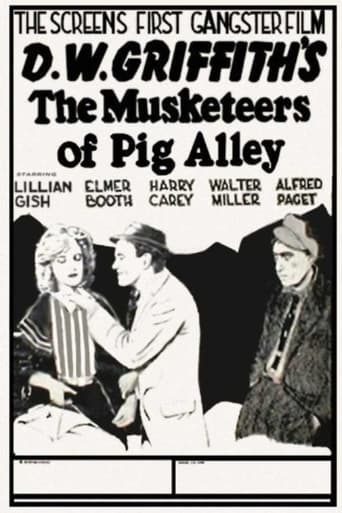
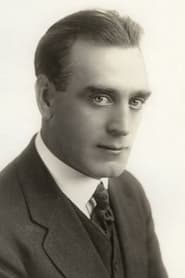
Alfred Paget
Actor
Born: June 2, 1879 in London, England Died: December 14, 1919 Active: 1908-1919 Birth Name: Alfred Bryan Paget
Films
32 films

Martyrs of the Alamo
1915
Enoch Arden
1911
The Zulu's Heart
1908
The Telephone Girl and the Lady
1913
The Song of the Shirt
1908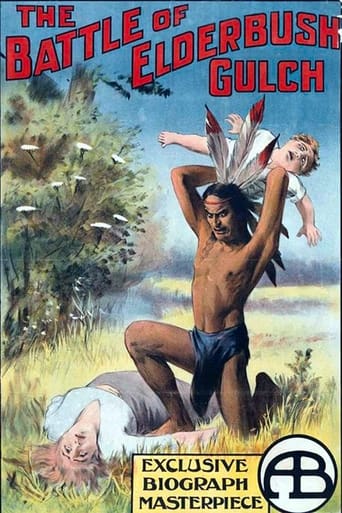
The Battle at Elderbush Gulch
1913
For His Son
1912
Fate's Turning
1911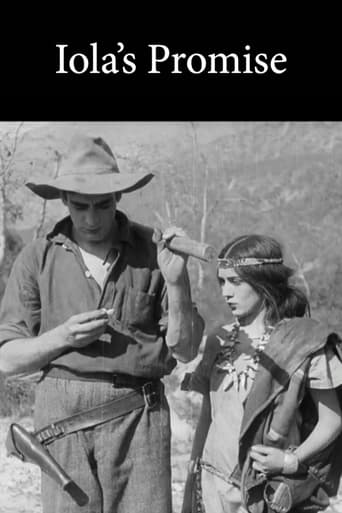
Iola's Promise
1912
The Unchanging Sea
1910
The Last Drop of Water
1911
The Massacre
1912
The Inner Circle
1912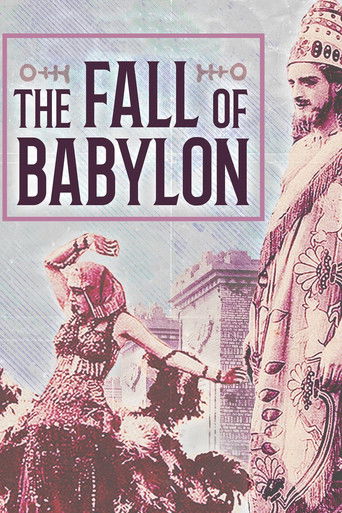
The Fall of Babylon
1919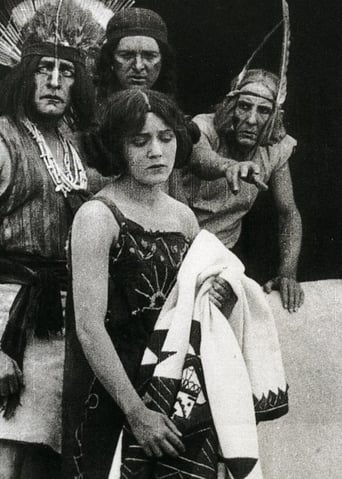
A Pueblo Legend
1912
Aladdin and the Wonderful Lamp
1917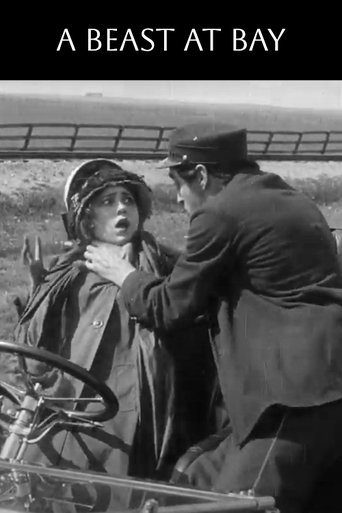
A Beast at Bay
1912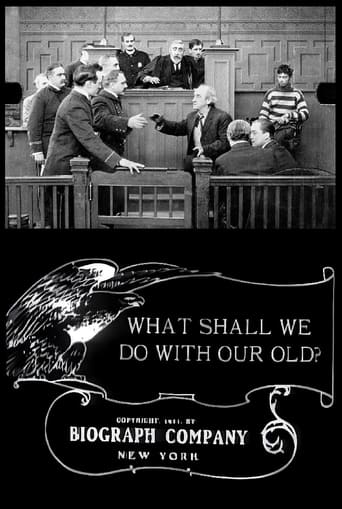
What Shall We Do with Our Old?
1911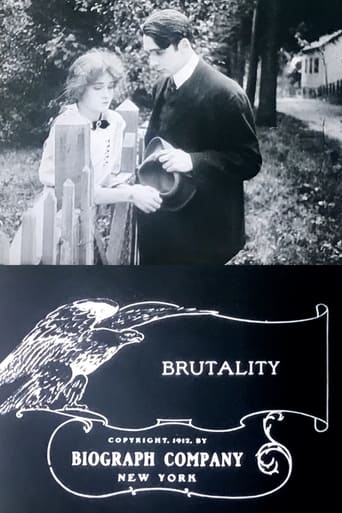
Brutality
1912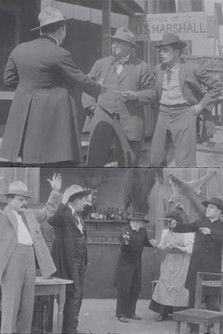
Unexpected Help
1910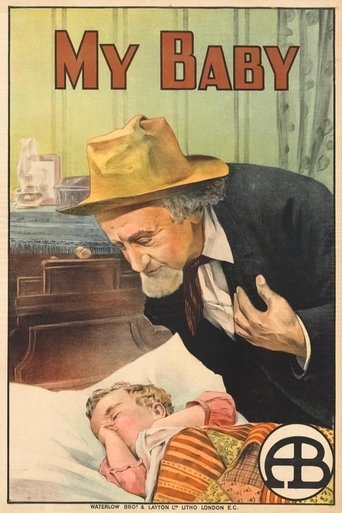
My Baby
1912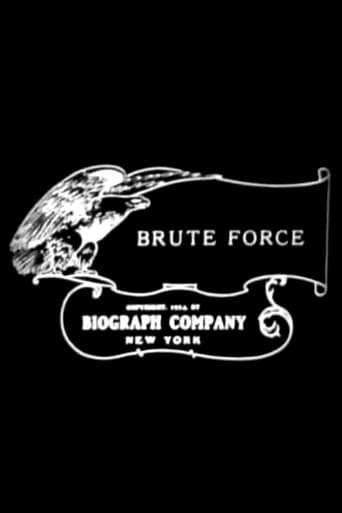
Brute Force
1914
Enoch Arden
1915
His Trust
1911
The Usurer
1910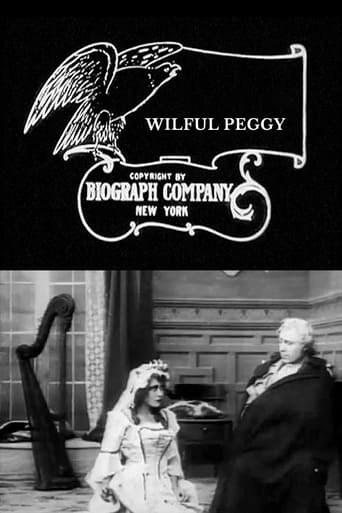
Wilful Peggy
1910
Over Silent Paths
1910
Under Burning Skies
1912
The Old Actor
1912
Help! Help!
1912
The Lesser Evil
1912About Alfred Paget
British-born actor who became a prominent figure in American silent cinema during the crucial transitional period from short films to features. Born in London in 1879, he began his career in British theater before transitioning to the burgeoning film industry in America. Paget found his greatest success as a regular member of D.W. Griffith's stock company at the Biograph Studio, where he appeared in over 150 films between 1908 and 1919. His appearance and commanding presence made him ideal for roles as military officers, aristocrats, and figures of authority. Paget contributed to many of Griffith's innovative early works that helped establish the language of cinema, including experiments in cross-cutting, close-ups, and narrative complexity. His career coincided with the foundational years of American cinema, and he worked alongside many of the era's biggest stars including Mary Pickford, Lionel Barrymore, and Mae Marsh. Unfortunately, his life was cut short at age 40 in 1919, just as the film industry was transitioning to feature-length productions and would soon embrace sound technology.
The Craft
On Screen
Paget was known for his dignified, aristocratic screen presence and commanding bearing, which made him perfectly suited for roles of authority and nobility. His stage background provided him with a theatrical gravitas that translated effectively to the silent medium, where actors relied heavily on physical expression and gesture. Like many performers of his era, he employed broad, deliberate movements and exaggerated facial expressions to convey emotion and character motivation to audiences without the benefit of synchronized sound. His performances embodied the transitional style between Victorian theatrical traditions and the more naturalistic film acting that would emerge in the 1920s.
Milestones
- Regular member of D.W. Griffith's Biograph acting company
- Appeared in over 150 films during his career
- Transitioned from British stage to American silent cinema
- Contributed to foundational innovations in early American film
- Worked during the crucial period when film evolved from shorts to features
Best Known For
Iconic Roles
Must-See Films
Working Relationships
Worked Often With
Studios
Why They Matter
Impact on Culture
Alfred Paget was part of the foundational generation of film actors who helped establish the grammar of cinematic performance and narrative structure. As a regular member of D.W. Griffith's innovative Biograph company, he contributed to many of the technical and artistic breakthroughs that defined early American cinema, including experiments in editing, camera movement, and storytelling techniques that would become standard in the industry. His aristocratic screen presence helped establish character archetypes and performance styles that would influence generations of actors who followed. Paget's extensive filmography provides valuable insight into the evolution of acting styles from theatrical traditions to more film-specific techniques during this crucial transitional period in cinema history.
Lasting Legacy
While not as widely remembered as some of his more famous contemporaries, Alfred Paget's body of work represents an important chapter in early American cinema history. His numerous appearances in Biograph shorts make him a significant figure for film historians studying the development of narrative film and the evolution of screen acting. The fact that many of his films are now considered lost adds to his mystique and underscores the fragile nature of early film preservation. Paget's career shows the many talented actors who contributed to cinema's emergence as a legitimate art form, even if their names have faded from popular memory. His work continues to be studied by scholars interested in the transitional period between theatrical and cinematic performance styles.
Who They Inspired
As part of D.W. Griffith's groundbreaking company, Paget would have been exposed to and contributed to early film techniques that influenced generations of filmmakers and performers. The acting methods he helped develop for the silent medium, particularly the balance between theatrical expression and cinematic naturalism, influenced subsequent generations of film actors. His aristocratic characterizations helped establish screen archetypes that would recur throughout cinema history, particularly in period pieces and historical dramas. While specific documentation of his influence on individual actors is limited, his work as part of Griffith's company contributed to the overall development of film acting as a distinct art form separate from stage performance.
Off Screen
Alfred Paget married actress Edna B. Whitten (also known professionally as Edna Whitten), with whom he had one child. The family resided in the Los Angeles area during his most productive years in the film industry. His relatively early death at age 40 cut short what might have been an even more significant career in the rapidly evolving film industry. Paget's transition from British theater to American cinema represented the broader movement of theatrical talent to the new medium of film during the early 20th century.
Education
Likely received theatrical training in England before transitioning to film
Family
- Edna B. Whitten (until his death in 1919)
Did You Know?
- Appeared in over 150 films during his relatively short 11-year career
- Was part of D.W. Griffith's stock company at Biograph before Griffith moved to feature films
- Many of his films are now considered lost, a common fate for early cinema
- Transitioned from British stage to American silent films
- His appearance often led to casting as military officers or aristocrats
- Worked with many of the biggest stars of early cinema including Mary Pickford and the Gish sisters
- His death in 1919 meant he never appeared in a sound film
- Was born in London but made his career almost exclusively in American films
- His filmography includes some of the most technically innovative films of the early 1910s
- Worked during the period when film was transitioning from one-reel shorts to feature-length productions
- His full birth name was Alfred Bryan Paget
- Died at the relatively young age of 40, cutting short a promising career
In Their Own Words
No specific quotes from Alfred Paget are widely documented, which is common for actors of the silent era who primarily communicated through performance rather than dialogue
Frequently Asked Questions
Who was Alfred Paget?
British-born with credits in this catalog. He was best known for his work with director D.W. Griffith at the Biograph Company, where he appeared in numerous short films that helped establish the foundations of American cinema.
What films is Alfred Paget best known for?
Titles linked here include The Zulu's Heart (1908), The Song of the Shirt (1908).
When was Alfred Paget born and when did he die?
Born June 2, 1879; died December 14, 1919.
What awards did Alfred Paget win?
Alfred Paget did not receive any major awards during his career, as the formal award system for films had not yet been established during his active years. The Academy Awards would not be created until 1929, a decade after his death.
What was Alfred Paget's acting style?
Paget was known for his dignified, aristocratic screen presence and was often cast in roles of authority, military officers, or nobility. Like many actors of the silent era, he employed expressive gestures and facial expressions suitable for the medium's technical limitations.
How did Alfred Paget impact early cinema?
As a regular member of D.W. Griffith's Biograph company, Paget contributed to many of the technical and narrative innovations that defined early American cinema. His work helped establish character archetypes and acting techniques that would influence generations of film performers.
Why is Alfred Paget not as well remembered as other silent film actors?
Unlike contemporaries such as Mary Pickford or Charlie Chaplin who became major stars and successfully transitioned to features and sound, Paget's career was cut short by his early death in 1919. Additionally, many of his films have been lost over time, making his work less accessible to modern audiences.