

The Unchanging Sea
"A print of the film survives in the Library of Congress film archive"
Keys: Space play/pause · ←/→ 10s · F fullscreen · M mute · </> speed
About this film
A print of the film survives in the Library of Congress film archive.
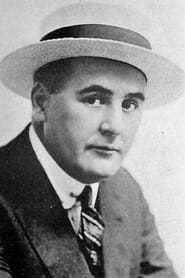
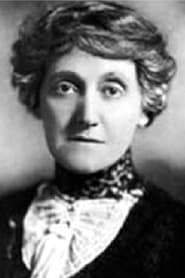
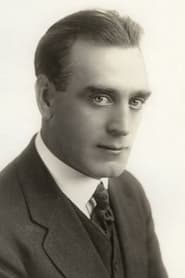
Cast & crew
More films like this

More Drama films
View all →







More from D.W. Griffith
View all →
More about this film
About the production
Release dateFebruary 24, 1910
Box officeUnknown - Biograph films were rented rather than sold, with standard rates of $10-25 per week per reel
ProductionBiograph Company
Filmed inCalifornia coast - likely Santa Monica or Malibu beaches, Biograph Studio, New York
Filmed in a single day as was typical for Biograph one-reelers. Griffith used natural lighting for the beach scenes and employed early techniques of cross-cutting between the family's domestic life and the eternal sea. The film was shot on 35mm film at Biograph's standard frame rate of 16 frames per second.
Themes
Memory and identityThe passage of timeEternal nature versus human mortalityEnduring love and family bondsThe sea as metaphor for eternity
Themes & topics
amnesiafishermanseaside villagememory lossfamily dramatime passagereunionagingdaughtermarriagebeachpoem adaptation
Historical background
The Unchanging Sea (1910) circulated in the silent era. A print of the film survives in the Library of Congress film archive. Contemporary trade papers and later preservation notes document its place among nickelodeon and cinema-club programs.
Why this film matters
The Unchanging Sea remains accessible to researchers and viewers as a screen title in museum, archive, and streaming collections. Programmers cite it when tracing regional production history and surviving early prints.
Making of
D.W. Griffith directed this film during his incredibly prolific period at Biograph, where he was making two to three films per week. The production followed Biograph's efficient factory-like system, with Griffith typically storyboarding scenes the night before shooting. For the beach sequences, the cast and crew traveled to the California coast, which was unusual for the time as most filming was done in New York or New Jersey. Mary Pickford, though not yet the star she would become, was already showing the naturalistic acting style that would make her famous. The film's emotional climax, where the father's memory returns, was achieved through subtle acting techniques rather than the exaggerated gestures common in the period. Griffith used the sea as a recurring motif, returning to it throughout the film to emphasize the theme of eternity versus human change. The production faced challenges with weather conditions during the beach scenes, a common problem for early outdoor filming.
What critics said
Day-one reviews for The Unchanging Sea are sparse in digitized press archives; later criticism treats it as a reference point for 1910 cinema programming and preservation.
Did you know?
- This was one of the earliest films to feature Mary Pickford, who was just 17 years old at the time and still early in her career before becoming 'America's Sweetheart'
- The film was based on Charles Kingsley's poem 'The Three Fishers' (1851), though Griffith expanded the narrative significantly
- Arthur V. Johnson, who played the fisherman, was one of Griffith's most trusted actors and appeared in over 200 of his films
- Linda Arvidson, who played the wife, was actually Griffith's first wife in real life - they married in 1902 and divorced in 1915
- The film showcases Griffith's early experimentation with narrative time, compressing decades into a 12-minute film
- Biograph refused to credit actors or directors in their films during this period, as they feared creating stars who could demand higher salaries
- The beach scenes were among the first to use location shooting for dramatic effect rather than just as background
- The film's theme of memory loss was quite innovative for 1910, exploring psychological depth uncommon in early cinema
- This was one of over 300 short films Griffith directed for Biograph between 1908-1913
- The film survives today in the Library of Congress collection, though some deterioration is visible in existing prints
Visual style
The cinematography, credited to Billy Bitzer (Griffith's regular cameraman), employed several innovative techniques for its time. The beach scenes utilized natural lighting to create atmospheric effects, particularly in scenes showing the changing seasons and times of day. Bitzer used mobile cameras to capture sweeping views of the ocean, creating a sense of the eternal that contrasted with the human drama. The film features carefully composed shots that use the sea as both background and symbolic element. Interior scenes were lit with the artificial lighting available at Biograph studios, but Bitzer was already experimenting with more subtle lighting effects to create mood. The cinematography helped establish the visual contrast between the changing human characters and the unchanging natural world, a central theme of the film. The camera work, while still somewhat static by later standards, showed greater movement and variety than was typical of 1910 productions.
Innovations
The Unchanging Sea demonstrated several technical innovations for its time. Griffith's use of cross-cutting between different time periods to show the passage of years was relatively sophisticated for 1910. The film employed subtle makeup techniques to show the aging of the characters, particularly the wife, which was more advanced than the theatrical approaches common in early cinema. The location shooting in natural settings presented technical challenges that the crew overcame, helping advance the practice of outdoor filming. The film's pacing and editing showed Griffith's developing sense of cinematic rhythm and his ability to maintain emotional continuity across time jumps. The use of the sea as a recurring visual motif demonstrated an early understanding of visual symbolism in cinema. While not technically groundbreaking in terms of equipment or processes, the film represented an advancement in the sophisticated use of existing techniques to tell a complex emotional story within the constraints of the one-reel format.
Music
As a silent film, The Unchanging Sea would have been accompanied by live musical performance during its original exhibition. Typical accompaniment for a Biograph drama of this period would include a pianist or small ensemble playing popular songs of the era, classical pieces, and specially composed mood music. The seaside setting likely inspired the use of nautical-themed musical selections. The emotional climax of the film would have been underscored with dramatic musical passages to enhance the reunion scene. Some theaters may have used sound effects such as wave sounds or seagull cries to enhance the atmosphere. The film's title connection to Charles Kingsley's poem might have inspired some exhibitors to include musical settings of the poem or other literary works. Modern screenings of the film typically feature newly composed scores that attempt to recreate the emotional impact of the original accompaniment while using contemporary musical sensibilities.
Famous quotes
The sea remains eternal while we mortals pass like waves upon its shore
Though years may pass and faces change, the heart remembers what the mind forgets
In the rhythm of the tides, all things return to their beginning
Memorable scenes
- The opening sequence showing the young couple's happiness by the sea
- The dramatic drowning accident and rescue
- The wife's solitary vigil as years pass and her daughter grows
- The daughter as a young woman preparing for her own marriage
- The climactic scene on the beach where the father's memory returns triggered by the familiar surroundings
- The emotional reunion of the elderly couple after decades of separation
What audiences thought
Audiences in 1910 responded positively to The Unchanging Sea, which was considered one of Biograph's more sophisticated offerings. The film's emotional story and beautiful seaside scenery resonated with viewers who were becoming accustomed to more complex narratives. The theme of enduring love and family connection appealed to the predominantly working-class and middle-class audiences of nickelodeons and small theaters. The film's relatively straightforward narrative, despite its temporal leaps, made it accessible while still offering emotional depth. Contemporary accounts suggest that audiences were particularly moved by the final reunion scene, which demonstrated the growing power of cinema to evoke genuine emotional responses. The film's success helped cement Biograph's reputation for quality productions and contributed to the growing acceptance of cinema as a legitimate form of entertainment and artistic expression.
Film connections
Influenced by
- Charles Kingsley's poem 'The Three Fishers'
- Contemporary literary melodramas
- Earlier Biograph dramas
- European narrative films of the 1900s
- Stage melodramas of the late 19th century
This film influenced
- Griffith's later films dealing with time and memory
- Other Biograph seaside dramas
- Early Hollywood films featuring amnesia plots
- Silent era family dramas
- Films using natural settings as symbolic elements
Film restoration
The Unchanging Sea survives in a reasonably complete 35mm print held by the Library of Congress as part of the Paper Print collection. The film was preserved through the paper print process where early films were copyrighted on photographic paper. While some deterioration is evident in existing copies, the film remains viewable and has been digitally restored. It is one of the better-preserved examples of Griffith's early Biograph work. The film is part of various archival collections and has been included in DVD compilations of Griffith's early films. The preservation status is considered good for a film of its vintage, though some original detail may be lost due to the age and condition of source materials.
Where to watch
- Library of Congress National Screening Room
- Various DVD collections of D.W. Griffith's early Biograph films
- YouTube (through authorized archives)
- Museum of Modern Art film collection screenings
- UCLA Film & Television Archive
- George Eastman Museum screenings
- Kino Lorber DVD collections
- Flicker Alley home video releases
- Various film festival retrospectives of silent cinema
- Academic film libraries and archives