Films
17 films
At the Altar
1909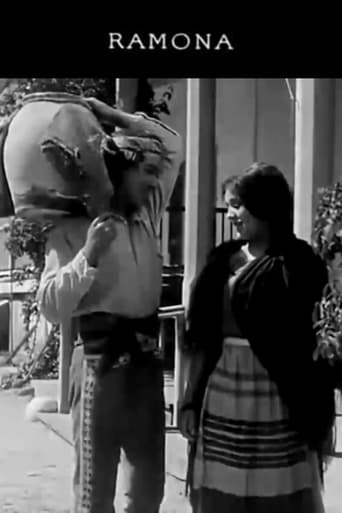
Ramona
1910
The Golden Louis
1909
The Fugitive
1910
A Child of the Ghetto
1910
Fate's Turning
1911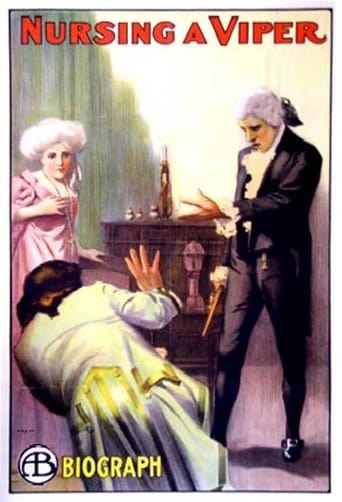
Nursing a Viper
1909
The House with Closed Shutters
1910
In the Border States
1910
Swords and Hearts
1911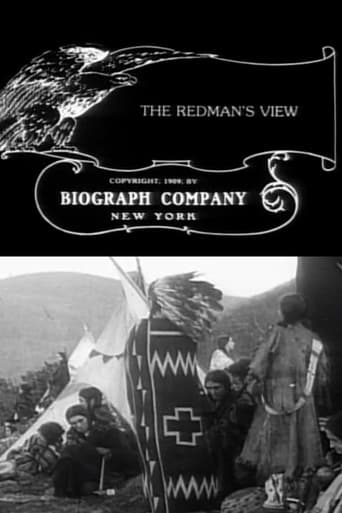
The Redman's View
1909
The Unchanging Sea
1910
The Girls and Daddy
1909
His Trust
1911
His Trust Fulfilled
1911
The Cricket on the Hearth
1909About Dorothy West
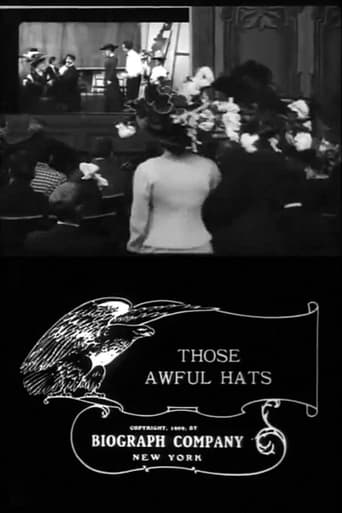
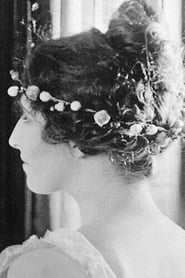
American silent film actress who worked primarily with the Biograph Studio during the early years of American cinema. She began her brief but notable film career in 1909, appearing in numerous one-reel shorts directed by D.W. Griffith, who was establishing himself as one of America's filmmakers at Biograph. West appeared in several significant early films including 'Those Awful Hats,' a comedy short about movie theater etiquette, and 'The Redman's View,' one of Griffith's early attempts at social commentary. Her filmography from 1909-1911 includes over 20 credited appearances, though like many actors of this period, she likely appeared in many more uncredited roles. West worked alongside other early film stars like Mack Sennett, Mary Pickford, and Florence Lawrence during the transitional period when cinema was evolving from novelty to art form. Her career, while brief, coincided with crucial developments in film language and storytelling techniques that would define American cinema. After 1911, West seemingly disappeared from the film industry, as was common for many early actors who moved on to other pursuits as the film business became more professionalized.
The Craft
On Screen
As an early silent film actress, Dorothy West employed the theatrical, exaggerated gestures typical of the period, where actors needed to convey emotion and story without the benefit of sound. Her performances were characterized by broad physical expressions and clear, deliberate movements that could be easily understood by audiences. Like many Biograph actors of the era, she adapted quickly to the more subtle, naturalistic style that D.W. Griffith was, moving away from stage acting toward a more cinematic approach.
Milestones
- Early work with D.W. Griffith at Biograph Studio
- Appeared in over 20 films during cinema's formative years
- Participated in the development of early film acting techniques
- Worked during the transition from short subjects to feature films
Best Known For
Iconic Roles
Must-See Films
Accolades
Special Recognition
- Pioneer of early American cinema
Working Relationships
Worked Often With
Studios
Why They Matter
Impact on Culture
Dorothy West was part of the foundational generation of American film actors who helped establish the vocabulary of screen performance during cinema's transition from novelty to art form. Her work with D.W. Griffith at Biograph placed her at the epicenter of early American film innovation, where new techniques in editing, cinematography, and acting were being developed. While not a star in the traditional sense, West contributed to dozens of films that collectively advanced the medium and influenced countless future performers. Her appearances in early social commentary films like 'The Redman's View' demonstrated cinema's potential as a vehicle for addressing serious themes, helping establish film as a legitimate artistic medium.
Lasting Legacy
Dorothy West's legacy is that of a actress who contributed to the birth of American narrative cinema during its most formative years. Though her career was brief and she never achieved lasting fame, she represents the countless dedicated actors who helped build the film industry from the ground up. Her work survives as part of the historical record of early American cinema, providing insight into the evolution of screen acting and the collaborative nature of early filmmaking. West's story exemplifies how many early film pioneers have been largely forgotten despite their important contributions to establishing cinema as America's dominant art form.
Who They Inspired
As an early Biograph player, Dorothy West was part of the first generation of film actors who developed screen acting techniques that would influence performers for decades. Her work with D.W. Griffith exposed her to innovative directing methods that were shaping the future of cinema. While she didn't directly mentor other actors due to her brief career, she contributed to the collective development of film acting language that subsequent generations would build upon. The naturalistic style that Griffith encouraged at Biograph, which West participated in developing, would eventually become the standard for screen performance worldwide.
Off Screen
Very little is known about Dorothy West's personal life outside of her brief film career. Like many early film actors, detailed biographical information was rarely preserved, and she disappeared from public records after her film career ended. She was born in Georgia in 1889 and moved to the New York area to pursue work in the fledgling film industry.
Education
null
Did You Know?
- Worked exclusively with Biograph Studio during her career
- Appeared in 'Those Awful Hats,' one of the earliest meta-comedies about moviegoing
- Her film active years covered only three years but included over 20 films
- Was part of D.W. Griffith's stock company during his most innovative period
- Many of her films were shot on location in New York and New Jersey
- Like many early actors, she likely earned around $5-10 per day of filming
- Her films were typically one-reel shorts running about 10-12 minutes
- She worked during the period when film actors were not yet credited by name
- Appeared in both comedies and dramatic films, showing versatility
- Her career ended just as the star system was beginning to emerge in Hollywood
Frequently Asked Questions
Who was Dorothy West?
American silent film actress who worked primarily with D.W. Griffith at Biograph Studio from 1909-1911. She appeared in over 20 films during cinema's formative years, contributing to the development of early American cinema and screen acting techniques.
What films is Dorothy West best known for?
Titles linked here include Those Awful Hats (1909), The Redman's View (1909).
When was Dorothy West born and when did she die?
Born 1889; died null.
What awards did Dorothy West win?
Dorothy West did not receive any formal awards during her career, as the award system for film had not yet been established in the early 1900s. Her recognition comes from her historical significance as a pioneer of early American cinema.
What was Dorothy West's acting style?
West employed the theatrical style typical of early silent film, characterized by exaggerated gestures and clear physical expressions. She was part of the transition toward more naturalistic screen acting that D.W. Griffith was at Biograph, moving away from stage techniques toward a more cinematic approach.