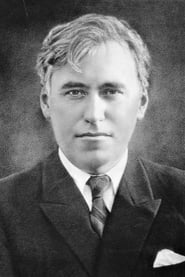

The Golden Louis
"A coin that changed luck"
Keys: Space play/pause · ←/→ 10s · F fullscreen · M mute · </> speed
About this film
D.W. Griffith traces a gold louis from sleeping beggar girl through gambler who cannot find her again. An anonymous donor drops a gold coin in the shoe of a homeless girl as she sleeps. A gambler with a 'sure thing' borrows the coin and wins a fortune, but he can't find her again to repay her.
Cast & crew
More films like this
More Drama films
View all →







More from D.W. Griffith
View all →
More about this film
About the production
Release dateOctober 25, 1909
ProductionAmerican Mutoscope and Biograph Company
Filmed inNew York City, New York, Fort Lee, New Jersey
This was one of hundreds of short films D.W. Griffith directed for Biograph during their prolific 1908-1909 period. The film was shot in a single day, as was typical for Biograph productions of this era. Griffith was experimenting with narrative storytelling techniques that would later become hallmarks of classical Hollywood cinema, including cross-cutting and character development through visual means rather than intertitles.
Themes
Poverty and homelessnessMoral responsibilityFate and luckRedemption and guiltSocial inequality
Themes & topics
homelessgamblergold coincharitymoral dilemmastreet lifefatedebtsearchpovertyanonymous donorbettingfortuneguiltredemption
Historical background
1909 placed The Golden Louis within United States cinema as American Mutoscope and Biograph Company navigated wartime markets, immigration audiences, and the shift from intertitles to sound.
Why this film matters
Archivists revisit The Golden Louis (1909) for D.W. Griffith style, genre norms at American Mutoscope and Biograph Company, and the exhibition context of 9 minutes programming.
Making of
The production of 'The Golden Louis' exemplified the rapid-fire filmmaking methods of the Biograph Company under Griffith's direction. The film was made during Griffith's most productive period, when he was directing up to three films per week. Location shooting in New York City streets presented challenges, as early film equipment was cumbersome and attracted curious crowds. The cast, particularly young Adele DeGarde, had to perform in actual street conditions, sometimes in cold weather, as the film was shot in autumn. Griffith was already developing his reputation as a perfectionist, reportedly demanding multiple takes of the crucial scene where the coin is placed in the shoe to ensure the emotional impact was achieved. The film's production was typical of Biograph's approach: minimal budget, rapid shooting schedule, but maximum artistic ambition from their young director.
What critics said
Retrospective writing on The Golden Louis stresses craft by D.W. Griffith, print survival, and repertory value rather than opening-week gross alone.
Did you know?
- This film was part of Griffith's 'social conscience' series, where he explored themes of poverty and moral responsibility
- The gold coin in the title refers to a French gold louis d'or, which was worth approximately $4 in 1909 (equivalent to over $120 today)
- Adele DeGarde, who plays the homeless girl, was only 15 years old when this film was made
- The film was shot on 35mm film at Biograph's studios in New York City and on location in the streets
- Charles Inslee, who plays the gambler, was a regular in Griffith's early films, appearing in over 30 of the director's Biograph shorts
- The film's original title was simply 'The Gold Coin' but was changed to 'The Golden Louis' before release
- This was one of the first films to use a 'pay it forward' narrative structure, influencing countless later films
- The film was released during the height of the nickelodeon boom, when short films were the primary entertainment for working-class audiences
- Griffith reportedly wrote the screenplay himself, as he did for most of his Biograph films
- The film's moral ambiguity - the gambler wins but cannot find the girl to repay her - was unusual for the moralistic tone of early cinema
Visual style
The cinematography of 'The Golden Louis' was handled by Biograph's regular cameraman G.W. Bitzer, who worked closely with Griffith during this period. The film demonstrates the evolving visual language of early cinema, with careful composition to emphasize character emotions and social status. Bitzer used natural lighting for the street scenes, creating a realistic atmosphere that enhanced the film's social commentary. The camera work includes several medium shots that were innovative for the time, allowing viewers to see character expressions more clearly than in the earlier tendency toward long shots. The film's visual style balances documentary-like realism in the street scenes with more controlled, theatrical compositions for the gambling sequences.
Innovations
While 'The Golden Louis' was not among Griffith's most technically innovative works, it contributed to the development of several important cinematic techniques. The film demonstrates Griffith's growing mastery of parallel editing, cutting between the gambler's story and the homeless girl's situation to create dramatic tension. The use of location shooting in actual New York City streets was relatively advanced for 1909, adding authenticity to the social commentary. The film also shows early experimentation with point-of-view shots, particularly in scenes where we see events from the gambler's perspective. The makeup and costume design, while simple, effectively conveyed social status and character transformation through visual means rather than explanatory intertitles.
Music
As a silent film, 'The Golden Louis' had no recorded soundtrack. During its original theatrical run, it would have been accompanied by live music, typically a pianist or small theater orchestra. The musical accompaniment would have been selected to match the film's emotional tone, with melancholic themes for the homeless girl's scenes and more dramatic music for the gambling sequences. Some theaters might have used popular songs of the era that related to themes of luck, charity, or redemption. The film's rhythm and pacing were designed with live musical accompaniment in mind, as was common practice during this period of cinema history.
Famous quotes
(Intertitle) A gold piece in the shoe of a sleeping child - charity's secret gift
(Intertitle) The gambler's promise - 'I will repay you tenfold when fortune smiles'
(Intertitle) Fortune favors the bold, but conscience knows no peace
Memorable scenes
- The opening scene where the anonymous benefactor carefully places the gold coin in the sleeping girl's shoe, demonstrating Griffith's ability to create emotional impact through simple actions
- The tense gambling sequence where the coin changes hands, with cross-cutting between the game and the sleeping girl to build dramatic irony
- The final montage of the gambler desperately searching the streets for the girl, using location shooting to create a sense of urban anonymity and moral urgency
What audiences thought
Audiences in 1909 responded positively to 'The Golden Louis,' finding its emotional story accessible and its moral message resonant. The film's straightforward narrative and clear emotional beats made it popular among nickelodeon patrons who appreciated stories with ethical dimensions. Contemporary accounts suggest audiences were particularly moved by the plight of the homeless girl and the gambler's subsequent moral struggle. The film's relatively short runtime (9 minutes) made it ideal for the varied programming of nickelodeon theaters, where it was often paired with comedies and other short subjects. Its themes of charity and responsibility struck a chord with Progressive Era audiences concerned with social reform.
Film connections
Influenced by
- Charles Dickens' social novels
- Progressive Era social reform literature
- Earlier Biograph social problem films
- Stage melodramas of the 19th century
This film influenced
- The Poor Little Rich Girl (1917)
- The Kid (1921)
- City Lights (1931)
- Pay It Forward (2000)
- Slumdog Millionaire (2008)
Film restoration
The film is preserved in the Library of Congress collection and has been restored by the Museum of Modern Art. A 35mm print exists in good condition, and the film has been included in several DVD collections of Griffith's early Biograph works. The preservation quality allows modern viewers to appreciate the film's visual details and Griffith's early directorial techniques. The film is part of the UNESCO Memory of the World Register as part of the D.W. Griffith Biograph shorts collection.
Where to watch
- Available on DVD in 'D.W. Griffith: Years of Discovery 1909-1913' collection
- Streaming on The Criterion Channel
- Available for viewing at the Library of Congress Packard Campus for Audio Visual Conservation
- Included in the Museum of Modern Art's film archive
- Accessible through academic film databases and university collections