Films
12 films

About Adele DeGarde
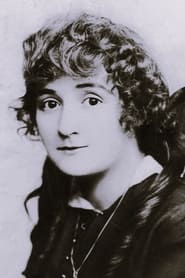
Early silent film actress who emerged during the days of American cinema in 1909. She worked primarily with the director D.W. Griffith at the American Mutoscope and Biograph Company, appearing in several of his short films during this crucial transitional period in film history. Her performances, though brief, captured the essence of early cinematic storytelling techniques that Griffith was developing. DeGarde was part of the first generation of film actors who helped establish the grammar of screen acting, moving away from theatrical gestures toward more naturalistic performances suited to the camera. Her career, while extremely brief, coincided with some of Griffith's most innovative early works, including films that experimented with narrative structure and visual techniques. Like many actors of this era, she disappeared from film records after 1909, representing the transient nature of early cinema careers before the star system was fully established. Her contributions, though small in scope, were part of the foundation upon which classical Hollywood cinema would be built.
The Craft
On Screen
DeGarde's acting style reflected the transitional period of early cinema, incorporating elements of theatrical performance adapted for the camera. Like many Biograph actors of the era, she employed exaggerated gestures and facial expressions to convey emotion clearly in silent films, but was also part of the movement toward more naturalistic screen acting that Griffith was. Her performances were characterized by clear emotional articulation and the ability to convey complex feelings through visual means alone.
Milestones
- Appeared in multiple D.W. Griffith films during his innovative Biograph period
- Part of the generation of American film actors
- Contributed to early narrative cinema development
- Worked during the transition from one-reel to more complex storytelling
Best Known For
Iconic Roles
Must-See Films
Working Relationships
Worked Often With
Studios
Why They Matter
Impact on Culture
Adele DeGarde represents the often-overlooked contributions of early film actors who helped establish the foundation of American cinema. Her work with D.W. Griffith during his formative Biograph period placed her at the epicenter of cinematic innovation, where new techniques of storytelling, editing, and performance were being developed. Though her career was brief, she was part of the collective effort that transformed cinema from a novelty attraction into a legitimate art form capable of complex narrative expression. Her performances contributed to the establishment of screen acting as a distinct discipline separate from theatrical performance.
Lasting Legacy
Adele DeGarde's legacy lies in her role as one of the actresses who helped shape early American cinema during its most formative years. While she may not have achieved lasting fame like some of her contemporaries, her contributions to the development of narrative film techniques and screen acting methods are historically significant. She represents the countless early film artists whose work, though largely forgotten by mainstream audiences, was essential to establishing the artistic and technical foundations of the film industry. Her brief career exemplifies the transient nature of early cinema before the star system and studio contracts created more stable professional pathways for actors.
Who They Inspired
As an early film actor working with D.W. Griffith, DeGarde was part of the experimental environment that influenced generations of filmmakers and actors. The techniques developed during her time at Biograph, including approaches to performance, editing, and narrative structure, would become standard practices in Hollywood cinema. While she may not have directly mentored future stars, her work contributed to the cinematic language that subsequent generations of actors would inherit and develop further.
Off Screen
Very little is documented about Adele DeGarde's personal life, which was common for early film actors who were not yet part of the studio star system. Like many actors of her era, she likely came from a theatrical or vaudeville background before transitioning to the new medium of motion pictures. The brief nature of her film career suggests she may have pursued other interests or returned to stage work after her time at Biograph.
Did You Know?
- Her entire known film career consisted of only one year - 1909
- She worked exclusively for the Biograph Company during her brief career
- All her known films were directed by D.W. Griffith
- She was part of Biograph's stock company during Griffith's most innovative period
- Her films were all one-reel shorts, typical of the era
- She appeared in films during the crucial transition period when Griffith was developing cross-cutting techniques
- Like many early Biograph actors, she was likely paid a weekly salary rather than per film
- Her career ended before the star system made film actors household names
- She worked alongside future stars like Mary Pickford and Mack Sennett
- Her films were shot on the East Coast before the industry moved to Hollywood
Frequently Asked Questions
Who was Adele DeGarde?
Early silent film actress who worked briefly in 1909, appearing in several films directed by D.W. Griffith at the American Mutoscope and Biograph Company. She was part of the generation of film actors who helped establish the foundations of American cinema.
What films is Adele DeGarde best known for?
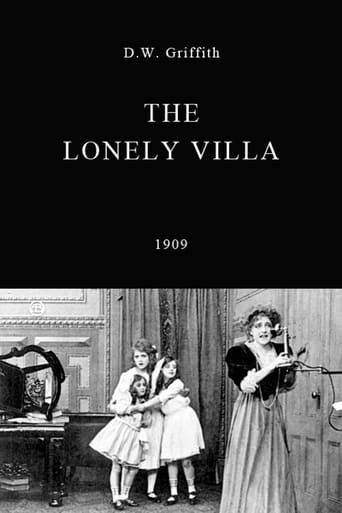
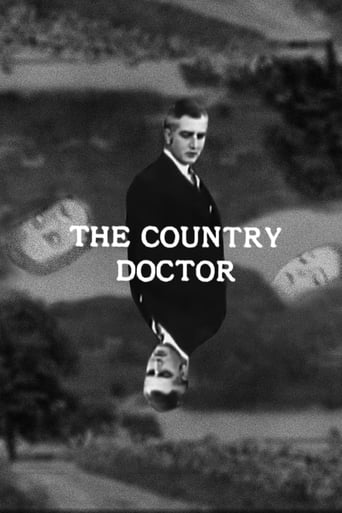
Titles linked here include The Lonely Villa (1909), The Country Doctor (1909).
When was Adele DeGarde born and when did she die?
Born 1889; died death date not listed.
What awards did Adele DeGarde win?
Adele DeGarde did not receive any formal awards during her brief career in 1909. The Academy Awards were not established until 1929, long after her film career had ended.
What was Adele DeGarde's acting style?
DeGarde's acting style reflected the transitional period of early cinema, combining theatrical gestures adapted for the camera with the more naturalistic performance style that D.W. Griffith was. Her performances emphasized clear emotional expression through visual means, essential for silent film storytelling.