The Voice of the Violin
"music teacher is in love with Helen, one of his"
Keys: Space play/pause · ←/→ 10s · F fullscreen · M mute · </> speed
About this film
A music teacher is in love with Helen, one of his students, but she rejects him. In his hurt he joins an anarchist group who plan to blow up a rich capitalist's house. When he realizes it's Helen's house, he tries to stop the plan.
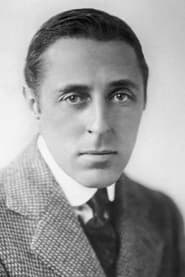
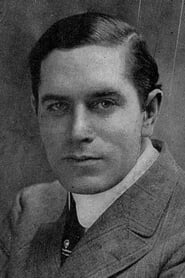
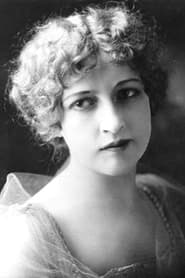
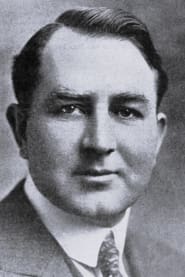
Cast & crew
More films like this

More Drama films
View all →







More from D.W. Griffith
View all →
More about this film
About the production
Release dateJune 1909
BudgetApproximately $500-800 (typical Biograph short film budget of the era)
Box officeBox office records not maintained for individual short films in 1909
ProductionBiograph Company
Filmed inFort Lee, New Jersey, New York City, New York
Filmed in just one or two days as was standard for Biograph shorts. The picture was shot on 35mm film with Biograph's proprietary cameras. Griffith was still developing his directorial style during this period, experimenting with narrative techniques that would later become his trademarks. The anarchist plot elements reflected contemporary social tensions in America during the progressive era.
Themes
Themes & topics
music teacheranarchismbomb plotrejected lovermoral dilemmaredemptionclass conflictterrorismromantic rejection
Historical background
The Voice of the Violin (1909) reached audiences through Biograph Company in United States, when exhibitors still built programs from varied shorts and features rather than single-block bookings.
Why this film matters
Programmers and historians revisit The Voice of the Violin (1909) because its story—a music teacher is in love with helen, one of his students, but she rejects him—illustrates popular narrative habits and production norms of the period.
Making of
The production of 'The Voice of the Violin' exemplified the rapid-fire filmmaking process at Biograph under Griffith's direction. The company operated on a factory-like system, turning out multiple short films each week. Griffith was known for his intense directing style and ability to extract emotional performances from his actors. Arthur V. Johnson and Marion Leonard were part of Griffith's regular stock company, having developed a shorthand with the director that allowed for efficient filming. The anarchist subplot was likely inspired by contemporary newspaper headlines, as Griffith often drew from current events for his dramatic scenarios. the picture was shot in natural light using Biograph's studio facilities in Fort Lee and on location in New York, as electric lighting for film was still in its infancy. The violin music would have been provided by live accompaniment in theaters, typically a pianist or small orchestra who would improvise or use cue sheets provided by the studio.
What critics said
English-language trade reviews of The Voice of the Violin are limited for 1909. Where notices survive, they stress pacing and photographic clarity; later criticism values the title as archival evidence of studio style.
Did you know?
- This was one of over 450 short films D.W. Griffith directed for Biograph between 1908-1913
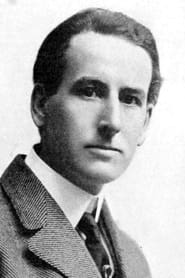
- Arthur V. Johnson, who played the music teacher, was one of Griffith's most frequently used actors in this period
- the picture was released during a period of heightened anxiety about anarchist activity in America, following several high-profile assassinations
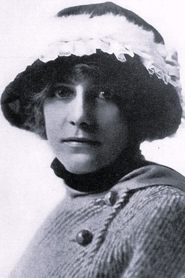
- Marion Leonard, who played Helen, was married to fellow Biograph actor Harry Solter in real life
- the picture Griffith's early experimentation with cross-cutting techniques to build tension
- Biograph films of this era were typically rented to theaters by the foot rather than sold outright
- The violin prop used in the picture was likely a real instrument, as Biograph prided itself on realistic production values
- was part of Griffith's rapid development as a filmmaker, coming just a year after his directorial debut
- The anarchist characters reflected real political movements that were active in New York during the early 1900s
- Like many Biograph shorts, was likely shot without a detailed script, with Griffith directing actors on the spot
Visual style
The cinematography by Biograph's regular cameraman (likely G.W. 'Billy' Bitzer) employed the standard techniques of the era but with Griffith's emerging sense of visual storytelling. the picture uses static camera positions typical of 1909, but Griffith was beginning to vary shot sizes and angles for dramatic effect. The cross-cutting between the anarchists preparing the bomb and the teacher's realization represents an early use of parallel editing to build suspense. Interior scenes were lit through large windows or with artificial light that mimicked natural illumination, as electric lighting for film was still experimental. The visual style emphasizes the emotional states of the characters through composition and the actors' performances within the frame.
Innovations
While not as technically innovative as some of Griffith's other 1909 works, the picture demonstrates his growing mastery of narrative techniques. The use of cross-cutting to build tension during the climax represents an early example of this technique that Griffith would later perfect. the picture also shows Griffith's developing ability to elicit naturalistic performances from his actors, moving away from the exaggerated theatrical style common in earlier cinema. The efficient storytelling - conveying a complex plot with emotional depth in just 12 minutes - was itself a technical achievement in an era when most films were even shorter and simpler.
Music
As a silent film, 'The Voice of the Violin' would have been accompanied by live music in theaters. The title suggests that violin music would have been prominently featured in the accompaniment. Theaters typically employed pianists who used cue sheets provided by the studio or improvised based on the action on screen. Larger venues might have had small ensembles that could incorporate actual violins, enhancing the picture's musical theme. The score would have followed the dramatic arc of the picture, with romantic themes for the teacher's love, darker music for the anarchist plot, and tense music during the bomb threat sequence.
Famous quotes
(Intertitle) 'She has rejected me - I will join those who reject society itself'
(Intertitle) 'That house - it is Helen's home! I must save her!'
Memorable scenes
- The tense sequence where the music teacher realizes the anarchists' target is Helen's house, leading to his desperate attempt to prevent the bombing while maintaining his cover with the conspirators
What audiences thought
Audiences in 1909 responded positively to the picture's dramatic tension and romantic elements. The anarchist plotline would have resonated with contemporary viewers who were familiar with real-world political tensions. the picture's emotional core - the rejected lover's redemption - was a popular theme in early cinema that audiences found compelling. Like most Biograph shorts of the era, it would have been shown as part of a varied program including comedies, documentaries, and other dramatic shorts, providing audiences with diverse entertainment in a single theater visit.
Film connections
Influenced by
- Contemporary newspaper accounts of anarchist activities
- Earlier Biograph dramatic shorts
- Stage melodramas of the era
- Literary traditions of the redeemed sinner
This film influenced
- Later Griffith films exploring moral redemption
- Early gangster films with similar moral conflicts
- Social problem films of the 1910s
Film restoration
the picture is preserved in the Library of Congress collection as part of the Paper Print collection. Early Biograph films were archived on paper prints submitted for copyright purposes, and many have been transferred back to film. The preservation status is good, with the picture available for scholarly viewing and occasional archival screenings.
Where to watch
- Library of Congress (in-person viewing by appointment)
- Some specialized film archives and museums
- Occasional screenings at silent film festivals
- Not currently available on commercial streaming platforms due to its public domain status and limited commercial appeal