Films
21 films
The Son's Return
1909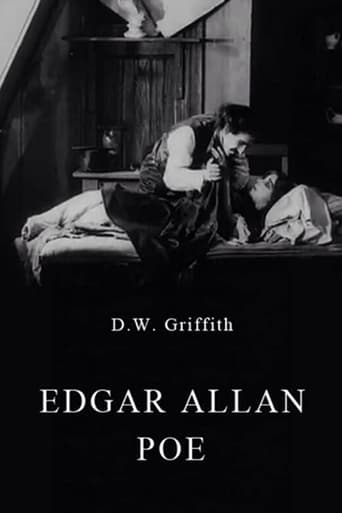
Edgar Allan Poe
1909
At the Altar
1909
The Lonely Villa
1909
The Curtain Pole
1909
The Violin Maker of Cremona
1909
The Fugitive
1910
The Cord of Life
1909
The Voice of the Violin
1909
A Child of the Ghetto
1910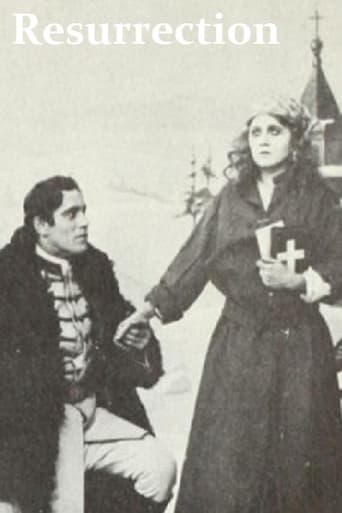
Resurrection
1909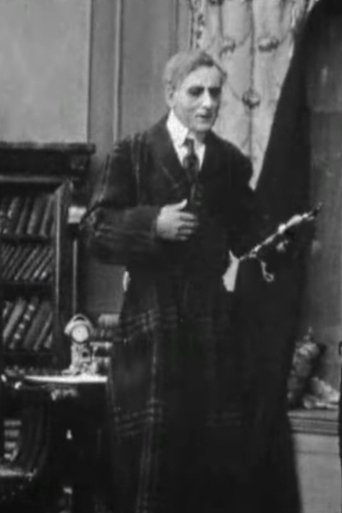
Two Memories
1909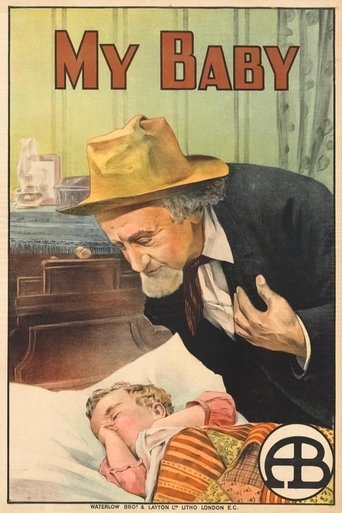
My Baby
1912
The Joneses Have Amateur Theatricals
1909
Pippa Passes
1909
The Usurer
1910
A Child's Impulse
1910
What the Daisy Said
1910
Wilful Peggy
1910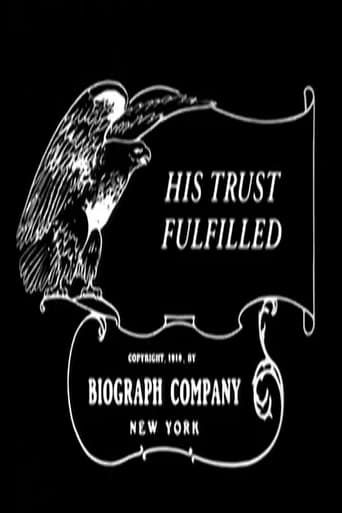
His Trust Fulfilled
1911About Clara T. Bracy
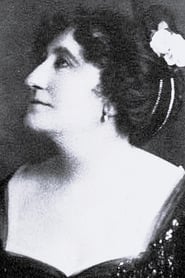
Made significant contributions to early American cinema during its formative years. Born in England in 1847, she began her career as a theatrical performer in London before eventually moving to the United States. In 1909, at the remarkable age of 62, she transitioned to the new medium of motion pictures, joining D.W. Griffith's acting company at Biograph Studios. During her brief but prolific film career from 1909-1912, she appeared in over 30 short films, often playing maternal or elderly characters that suited her mature appearance and classical training. Her stage experience proved invaluable in the early film industry, where actors needed to convey emotion through exaggerated gestures and facial expressions suitable for silent cinema. After her film career ended, Bracy returned to her theatrical roots while maintaining her connection to the entertainment industry. She lived to the age of 94, witnessing the complete evolution of cinema from its primitive beginnings to the golden age of Hollywood, making her a living link between Victorian theater and modern film.
The Craft
On Screen
As a classically trained stage actress, Bracy brought theatrical gravitas to her film roles, using exaggerated gestures and facial expressions typical of the period to convey emotion in silent films. Her mature appearance made her ideal for motherly and matriarchal roles, which she played with dignity and warmth. She adapted Victorian theatrical techniques to the new medium of cinema, helping establish the visual language of silent film performance.
Milestones
- actress in early American cinema
- Member of D.W. Griffith's Biograph company
- Appeared in over 30 short films during early cinema period
- Transitioned from Victorian stage to silent film
- Helped establish film acting techniques
Best Known For
Iconic Roles
Must-See Films
Accolades
Special Recognition
- Recognized as a actress in early American cinema
- Historical significance as one of the first generation of film actors
Working Relationships
Worked Often With
Studios
Why They Matter
Impact on Culture
Clara T. Bracy was part of the foundational generation of film actors who helped establish the vocabulary of cinema performance. As an experienced stage actress transitioning to the new medium, she represented the bridge between 19th-century theatrical traditions and 20th-century film artistry. Her work with D.W. Griffith at Biograph Studios contributed to the development of narrative film techniques and acting styles that would influence generations of performers. Though her film career was brief, it occurred during a crucial period when cinema was evolving from novelty to art form, and performers like Bracy were instrumental in this transformation. Her presence in early films helped demonstrate that mature, experienced actors could successfully adapt to the new medium, paving the way for other stage performers to make the transition to cinema.
Lasting Legacy
Clara T. Bracy's legacy lies in her role as one of the actresses of early American cinema. Her film work, though limited to a few years, represents an important chapter in cinema history when the medium was finding its artistic voice. As part of D.W. Griffith's company at Biograph, she contributed to films that are now studied as foundational works of American cinema. Her transition from stage to film exemplifies the broader movement of theatrical professionals into the new medium, bringing with them techniques and traditions that would shape early film performance. Her remarkable longevity, living from 1847 to 1941, made her a living connection between the Victorian era and the golden age of Hollywood, serving as a human bridge between two very different entertainment epochs.
Who They Inspired
As an early film actress, Clara T. Bracy influenced subsequent generations of performers by helping establish acting techniques specific to the silent medium. Her work demonstrated how theatrical training could be adapted for the camera, showing future actors how to convey emotion and character through visual means alone. Her performances in Griffith's films contributed to the development of film acting as a distinct art form separate from stage performance. By successfully transitioning from Victorian theater to early cinema, she helped legitimize film acting as a respectable profession for trained actors, encouraging other theatrical performers to explore the new medium.
Off Screen
Clara T. Bracy was married to fellow actor Harry Bracy, with whom she shared both a personal and professional partnership in the entertainment industry. Together they had a daughter who also pursued a career in acting, continuing the family's theatrical legacy. Bracy maintained strong connections to the stage throughout her life, even after her film career ended. Her longevity allowed her to witness and adapt to numerous changes in the entertainment industry, from Victorian theater traditions to the emergence of modern cinema. She was part of a close-knit community of early film pioneers who helped shape the new art form during its most crucial developmental years.
Education
Classical theatrical training in England during the Victorian era
Family
- Harry Bracy
Did You Know?
- Born in 1847, she was already in her 60s when she began her film career
- She was a contemporary of Sarah Bernhardt and other great stage actresses of the Victorian era
- Her film career lasted only 3 years but included over 30 short films
- She lived to be 94 years old, witnessing the entire development of cinema from its inception
- She was part of the original Biograph acting troupe that included many future stars
- Her stage active years covered both England and America before she entered films
- She worked during the period when film actors were not credited by name in productions
- Her husband Harry Bracy was also an actor who appeared in early films
- She appeared in several films directed by D.W. Griffith that are now considered cinema classics
- Her mature appearance made her one of the few actresses of her generation to successfully transition to film
Frequently Asked Questions
Who was Clara T. Bracy?
English stage and film actress who worked in early American cinema, particularly with D.W. Griffith at Biograph Studios from 1909-1912. She was a actress who helped establish film acting techniques during cinema's formative years.
What films is Clara T. Bracy best known for?
Titles linked here include The Lonely Villa (1909), The Curtain Pole (1909).
When was Clara T. Bracy born and when did she die?
Born 1847; died June 28, 1941.
What awards did Clara T. Bracy win?
Clara T. Bracy did not receive formal awards during her career, as the film industry's award system had not yet been established during her active years (1909-1912). She is recognized today as a figure in early cinema.
What was Clara T. Bracy's acting style?
As a classically trained stage actress, Bracy brought theatrical gravitas to her film roles, using the exaggerated gestures and facial expressions typical of early silent films. She specialized in maternal and elderly characters, leveraging her mature appearance and stage experience.
How did Clara T. Bracy influence early cinema?
Bracy was part of the foundational generation that helped establish film acting as a distinct art form. Her work with D.W. Griffith at Biograph contributed to the development of narrative film techniques and demonstrated how theatrical training could be adapted for the camera medium.
Was Clara T. Bracy related to other actors?
Yes, Clara T. Bracy was married to fellow actor Harry Bracy, and they had a daughter who also became an actress. She was part of a theatrical family that spanned both stage and film performances.