
The Fugitive
"Prints of the film survive at the Library of Congress"
Keys: Space play/pause · ←/→ 10s · F fullscreen · M mute · </> speed
About this film
Prints of the film survive at the Library of Congress, the George Eastman Museum and Film Preservation Associates. The script was by John MacDonagh, who would later fight in the Easter Rising under the command of his brother, Thomas MacDonagh, one of the signatories of the Proclamation of the Irish Republic.
Cast & crew
More films like this

More Drama films
View all →






More from D.W. Griffith
View all →
More about this film
About the production
Release dateSeptember 8, 1910
Box officeBox office records not maintained for individual short films in 1910
ProductionAmerican Mutoscope and Biograph Company
Filmed inFort Lee, New Jersey, Biograph Studio, New York City
This was one of hundreds of short films D.W. Griffith directed for Biograph between 1908-1913. The film was shot in a single day, as was typical for Biograph productions of this era. Griffith was already experimenting with more sophisticated narrative techniques and emotional depth in his Civil War films, which would culminate in his controversial masterpiece 'The Birth of a Nation' (1915).
Themes
Civil WarDivided loyaltiesHuman cost of warEnemy compassionMoral conflict
Themes & topics
Civil WarUnion soldierConfederate soldierBattleWounded soldierEnemy houseMoral dilemmaFamilyRefugeConfrontation
Historical background
The Fugitive (1910) circulated in the silent era. Prints of the film survive at the Library of Congress, the George Eastman Museum and Film Preservation Associates. Contemporary trade papers and later preservation notes document its place among nickelodeon and cinema-club programs.
Why this film matters
The Fugitive remains accessible to researchers and viewers as a screen title in museum, archive, and streaming collections. Programmers cite it when tracing regional production history and surviving early prints.
Making of
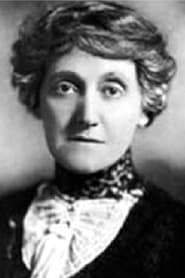
D.W. Griffith was rapidly developing his directorial style during this period, moving away from the static theatrical presentations common in early cinema. For 'The Fugitive,' he employed location shooting in Fort Lee, New Jersey, which was becoming the center of American film production before the industry moved to Hollywood. The cast was assembled from Griffith's regular troupe of Biograph actors who appeared in dozens of his films. Kate Bruce, who played one of the family members, was a favorite of Griffith's and appeared in over 150 of his films. The production would have been completed in a single day with minimal rehearsal, as Griffith was known for his efficiency and ability to work quickly while maintaining quality. The Civil War setting allowed Griffith to explore themes of divided loyalties and the human cost of conflict, subjects that would recur throughout his career.
What critics said
Day-one reviews for The Fugitive are sparse in digitized press archives; later criticism treats it as a reference point for 1910 cinema programming and preservation.
Did you know?
- This film was released just 45 years after the end of the Civil War, making the conflict still relatively fresh in American cultural memory
- D.W. Griffith directed approximately 450 short films for Biograph, averaging about two per week
- The film was shot on 35mm film at approximately 16 frames per second, the standard speed of the era
- Biograph films were typically rented to theaters for a flat fee rather than sold outright
- The film features no intertitles, relying entirely on visual storytelling, which was common for very early shorts
- Griffith's father had served as a Confederate officer, which may have influenced his interest in Civil War subjects
- The Biograph Company refused to allow their actors' names to appear in credits, fearing they would demand higher salaries
- This film was part of Griffith's early exploration of parallel editing techniques to show simultaneous action
- The original negative was likely destroyed in the 1914 Biograph studio fire, though prints may survive
- Griffith was paid $50 per week as a director at Biograph during this period
Visual style
The cinematography for 'The Fugitive' would have been handled by Billy Bitzer or Arthur Marvin, Griffith's regular cameramen at Biograph. The film was likely shot on location using natural light, as artificial lighting was still primitive and expensive. Camera movement would have been minimal, with most shots composed as static tableaux, though Griffith was beginning to experiment with different camera angles and closer shots to emphasize emotional moments. The black and white film stock of the era had limited tonal range, but skilled cinematographers could achieve impressive results through careful lighting and composition. The battle sequences would have used the limited special effects techniques available at the time, including smoke effects and practical stunts.
Innovations
While 'The Fugitive' does not represent a major technical breakthrough, it demonstrates several of the innovations Griffith was developing during this period. The film likely employed parallel editing to show the separate experiences of the two soldiers, a technique Griffith was pioneering. The use of location shooting rather than entirely studio-bound sets was still relatively uncommon in 1910. The film's narrative structure, following two protagonists whose stories eventually intersect, showed sophisticated storytelling for the era. Griffith was also experimenting with pacing and rhythm in his editing, using cuts to build tension during the battle and confrontation sequences.
Music
As a silent film, 'The Fugitive' had no synchronized soundtrack. Theatrical exhibition would have been accompanied by live music, typically a pianist or small ensemble in the nickelodeon setting. The music would have been selected from standard repertoire pieces chosen to match the mood of each scene - dramatic music for battle scenes, sentimental pieces for family moments, and tense music for the confrontation scenes. Some larger theaters might have used compiled cue sheets specifically designed for Civil War films. The musical accompaniment was crucial to the audience's emotional experience, as it provided the narrative and emotional cues that dialogue would later supply.
Famous quotes
No dialogue exists for this silent film
Memorable scenes
- The tense confrontation scene where the Union soldier seeks refuge in his enemy's house, creating a powerful moment of moral ambiguity and human connection across divided lines
What audiences thought
Audience reception data for specific short films from 1910 is not available, but Biograph films featuring dramatic stories and moral themes were generally popular with nickelodeon audiences. The Civil War setting would have resonated with viewers, many of whom had family connections to the conflict. Griffith's reputation for producing emotionally engaging content was growing during this period, and his films were in high demand by theater owners. The film's themes of duty, family, and the human cost of war would have appealed to the largely working-class audiences who frequented nickelodeons.
Film connections
Influenced by
- Stage melodramas of the 19th century
- Contemporary literature about the Civil War
- Photography of the Civil War by Mathew Brady and others
- Earlier Biograph shorts directed by Griffith
This film influenced
- The Birth of a Nation (1915)
- Intolerance (1916)
- The General (1926)
- Gone with the Wind (1939)
- The Red Badge of Courage (1951)
Film restoration
The preservation status of 'The Fugitive' (1910) is uncertain. Many Biograph films from this period have survived through paper print copies deposited for copyright purposes at the Library of Congress, while others exist only in fragmentary form or are considered lost. The Museum of Modern Art and other film archives have extensive collections of Griffith's Biograph films, but specific holdings of this title are not well documented in public sources.
Where to watch
- The film is not currently available on major streaming platforms. Potential viewing options include: The Library of Congress (if a paper print exists), The Museum of Modern Art's film archive, Specialized early cinema archives and museums, Academic film collections with early cinema holdings, Silent film festivals that occasionally screen rare Griffith shorts