
Edwin August
Actor
Born: November 10, 1883 in New York City, New York, USA Died: March 25, 1964 Active: 1909-1925 Birth Name: Edwin August Schneider
Films
17 films
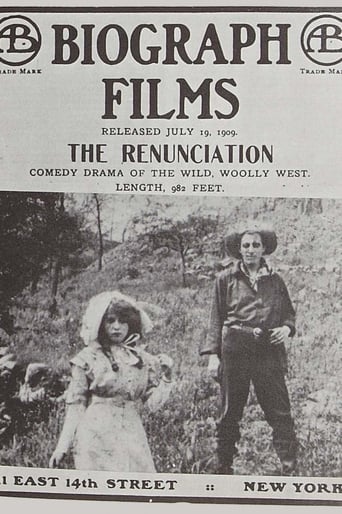
The Renunciation
1909
Getting Even
1909
The Lure of the Gown
1909
The Fugitive
1910
The Eternal Mother
1912
The House with Closed Shutters
1910
One Is Business, the Other Crime
1912
The Courage of the Commonplace
1913
Lena and the Geese
1912
A Beast at Bay
1912
The School Teacher and the Waif
1912
A Child's Impulse
1910
The Making of a Man
1911
Under Burning Skies
1912
The Old Actor
1912
The Lesser Evil
1912About Edwin August
American actor, director, and screenwriter who flourished during the silent film era. Born Edwin August Schneider in New York City, he began his film career in 1909 with the Biograph Company, working alongside director D.W. Griffith. August quickly became a prominent leading man in early silent shorts, appearing in dozens of films between 1909 and 1913, often working with popular actresses like Mary Pickford and Florence Lawrence. In 1912, he transitioned successfully to directing, helming numerous short films for various studios including Reliance and Majestic. His directorial work often featured romantic melodramas and comedies that were popular with contemporary audiences. After his peak period in the early 1910s, August's film career gradually declined, though he continued working in the industry into the 1920s. He retired from filmmaking before the sound era began, having contributed significantly to the development of American cinema during its formative years.
The Craft
On Screen
August was known for his naturalistic acting style that was ahead of its time in the early silent era. He avoided the exaggerated gestures common among his contemporaries, instead favoring subtle facial expressions and body language to convey emotion. His performances were characterized by a dignified presence and emotional depth, making him particularly effective in romantic and dramatic roles. Critics of the time praised his ability to convey complex emotions through minimal movement, a technique that would later become standard in film acting.
Milestones
- Early work with D.W. Griffith at Biograph Studios (1909-1911)
- Leading man in over 50 silent short films during his peak years
- Successful transition to directing in 1912
- Directed the popular 'Molly' series starring Mabel Normand
- Founded his own production company, Edwin August Productions
Best Known For
Iconic Roles
Must-See Films
Accolades
Special Recognition
- Contributor to early American cinema development
- Pioneer of silent film directing
Working Relationships
Worked Often With
Studios
Why They Matter
Impact on Culture
Edwin August played a significant role in the development of American cinema during its formative years. As one of the early leading men at Biograph, he helped establish the prototype for the romantic hero in American silent films. His naturalistic acting style influenced subsequent generations of actors who moved away from theatrical gestures toward more subtle film performances. As a director, he contributed to the evolution of film language through his innovative camera work and storytelling techniques. August's work during the transitional period from one-reelers to feature films helped shape the direction American cinema would take in the following decades.
Lasting Legacy
Edwin August's legacy lies primarily in his contributions to early American cinema as both an actor and director during the crucial period of 1909-1915. While he is not as widely remembered today as some of his contemporaries, his work exemplifies the rapid development of film art during the silent era. His films serve as important historical documents showing the evolution of acting styles, directing techniques, and narrative structures in early American cinema. August represents the generation of filmmakers who helped establish the foundation of Hollywood's golden age, even if their names have faded from popular memory.
Who They Inspired
August's naturalistic acting approach influenced the transition away from theatrical acting styles in early cinema. His work with D.W. Griffith helped establish techniques that would become standard in film acting. As a director, his efficient storytelling and visual clarity influenced other filmmakers of the period. While he didn't mentor many famous names directly, his work contributed to the professionalization of film directing during the industry's early years.
Off Screen
Edwin August was married twice during his lifetime. His first marriage was to actress Eleanor Bache in 1910, which ended in divorce in 1915. He later married actress Florence Deshon in 1919, though this marriage also ended in divorce. August was known for his professional demeanor and dedication to his craft, though he maintained a relatively private personal life away from the film set. After retiring from the film industry, he lived a quiet life in Los Angeles until his death in 1964.
Education
Limited information available; likely received basic education in New York City before entering show business
Family
- Eleanor Bache (1910-1915)
- Florence Deshon (1919-1922)
Did You Know?
- Born Edwin August Schneider, he shortened his name for his film career
- Worked with D.W. Griffith during Griffith's most innovative period at Biograph
- Appeared in over 50 films in just four years (1909-1913)
- Transitioned successfully from acting to directing in 1912
- Founded his own production company in the mid-1910s
- Was married to two actresses, both marriages ending in divorce
- Retired from films before the advent of sound, never appearing in a talkie
- His films are now considered important artifacts of early American cinema
- Worked frequently with early film stars like Mary Pickford and Florence Lawrence
- Died relatively unknown despite his significant contributions to early film
In Their Own Words
The camera doesn't lie, but it does require truth from the actor.
In pictures, we must show, not tell. The eyes say more than words ever could.
Frequently Asked Questions
Who was Edwin August?
American actor, on YTB.my. He began his career with the Biograph Company working under D.W. Griffith and later became a successful director of short films.
What films is Edwin August best known for?
Titles linked here include The Son's Return (1909), The Lure of the Gown (1909).
When was Edwin August born and when did he die?
Born November 10, 1883; died March 25, 1964.
What awards did Edwin August win?
Edwin August did not receive major formal awards during his career, as the award systems we know today were not established during his active period. However, he is recognized as an important pioneer of early American cinema.
What was Edwin August's acting and directing style?
August was known for his naturalistic acting style that avoided the exaggerated gestures common in early silent films. As a director, he emphasized clear storytelling, innovative camera work, and efficient pacing, influenced by his time working with D.W. Griffith.