

The Son's Return
"They planned to rob their guest — their son"
Keys: Space play/pause · ←/→ 10s · F fullscreen · M mute · </> speed
About this film
A young man leaves his parents' country inn for the city and returns years later unrecognized, registering as a guest. Seeing his fat wallet, the impoverished couple plot robbery against their own son before the reunion can expose their mistake.
Cast & crew
More films like this


More Drama films
View all →







More from D.W. Griffith
View all →
More about this film
About the production
Release dateMarch 8, 1909
ProductionAmerican Mutoscope and Biograph Company
Filmed inNew York City, Fort Lee, New Jersey
This film was produced during D.W. Griffith's prolific period at Biograph, where he directed hundreds of short films. The movie was shot on 35mm film with the Biograph's proprietary Mutoscope equipment. Like many Biograph productions of this era, it was filmed quickly, often in a single day, with minimal sets and natural lighting. The film showcases Griffith's early experimentation with cross-cutting and narrative structure that would later define his cinematic style.
Themes
Family relationshipsProdigal son archetypeUrban migrationMoral corruptionWealth and poverty
Themes & topics
Historical background
Biograph released the eleven-minute melodrama in March 1909 while Griffith was refining cross-cutting and moral irony in one-reel stories.
Why this film matters
The prodigal-son plot circulated widely in nickelodeon programs aimed at immigrant audiences negotiating rural and urban identities.
Making of
The production of 'The Son's Return' took place during a transformative period in American cinema. D.W. Griffith was rapidly developing his directorial techniques at Biograph, experimenting with narrative storytelling that went beyond the simple tableaux of earlier films. Mary Pickford, though not yet the superstar she would become, was already showing the screen presence that would make her famous. The film was shot in Fort Lee, New Jersey, which was then the heart of American film production before the industry moved to Hollywood. The cast worked long hours for minimal pay, with actors typically earning $5-15 per day. Griffith was known for his demanding directing style, often pushing actors to deliver more naturalistic performances than was typical of the period. The inn set was a simple construction on the Biograph studio lot, with minimal props and dressing to keep costs down. The film's emotional climax required careful blocking and timing to achieve maximum impact in the medium's infancy.
What critics said
Moving Picture World noted effective acting; historians group it with Griffith's family melodramas rather than his major experiments.
Did you know?
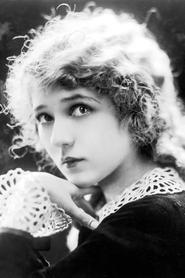
- This was one of the earliest films to feature Mary Pickford, who would later become 'America's Sweetheart' and co-found United Artists.
- The film was shot in just one day, typical of Biograph's rapid production schedule during this period.
- D.W. Griffith was directing approximately 2-3 films per week for Biograph in 1909.
- The film's theme of prodigal son returning was a popular narrative in early cinema, appealing to immigrant audiences.
- the production is part of a series of Griffith's works exploring family dynamics and moral dilemmas.
- The original nitrate film print was preserved by the Museum of Modern Art in the 1930s.
- Herbert Prior, who played the father, was a regular Griffith collaborator and appeared in over 100 Biograph films.
- The film was released before the Motion Picture Patents Company monopoly was established, making it part of cinema's pre-trust era.
- Like most films of 1909, it was originally shown as part of a variety program with live entertainment.
- The 'fat wallet' prop was actually filled with paper to create the illusion of wealth, as real money was too valuable to risk on set.
Visual style
The cinematography of 'The Son's Return' reflects the technical limitations and conventions of 1909 filmmaking. Shot by Biograph's regular cameraman G.W. Bitzer, the film uses primarily static, wide shots typical of the period, with the camera positioned at eye level to replicate theatrical perspective. Lighting was entirely natural, filmed either outdoors or in studio spaces with large windows to maximize available light. The film stock was orthochromatic, which was less sensitive to red light and created a distinctive high-contrast look. Despite these limitations, Griffith and Bitzer were already experimenting with more dynamic techniques, including some camera movement and varying shot distances to enhance emotional impact. The inn interior scenes were carefully composed to maximize the use of space and create visual interest within the confined set.
Innovations
While 'The Son's Return' may appear technically simple by modern standards, it incorporated several innovations that were advancing the art of cinema in 1909. The film demonstrates Griffith's growing mastery of editing techniques, including cross-cutting between parallel actions to build suspense and emotional impact. The use of multiple locations and sets within a single film was still relatively uncommon, showing Biograph's commitment to more ambitious storytelling. The film's narrative structure, with its clear beginning, middle, and end, represented a move away from the single-scene tableaux that dominated earlier cinema. Griffith's direction of actors toward more naturalistic performances, rather than theatrical gestures, was also technically innovative for the period. The film's preservation of continuity across different shots and locations shows an understanding of cinematic space that was still developing in 1909.
Music
As a silent film, 'The Son's Return' had no synchronized soundtrack, but was originally accompanied by live musical performance in theaters. Typical accompaniment would have included a pianist or small orchestra playing popular songs of the era, classical pieces, and specially composed mood music. The emotional nature of the story would have called for dramatic, romantic musical themes during the reunion scenes and tense, suspenseful music during the robbery plot. Some theaters employed sound effects men to create auditory illusions, such as the sound of footsteps or doors opening. The choice of music varied by theater and musician, with larger urban houses offering more elaborate accompaniment than smaller nickelodeons. Today, modern screenings of the film typically feature newly composed scores or carefully selected period-appropriate music.
Famous quotes
(Title card) 'Years later, the son returns home, wealthy and successful.'
(Title card) 'The parents, not recognizing their son, see only his money.'
(Title card) 'In their desperation, they plot to rob the stranger.'
(Title card) 'A tragic misunderstanding that threatens to destroy a family.'
Memorable scenes
- The emotional climax where the son prepares to reveal his identity to his parents while they prepare to rob him, creating maximum dramatic irony as the audience knows the truth the characters do not.
What audiences thought
Audience reactions to 'The Son's Return' in 1909 were generally positive, with the film's emotional story resonating with working-class viewers of the era. The theme of family conflict and reunion was particularly effective with immigrant audiences who often experienced similar separations from their families. The film's moral clarity and emotional resolution satisfied the expectations of nickelodeon patrons, who sought both entertainment and moral instruction from their movie-going experience. Contemporary accounts suggest that audiences were moved by the film's dramatic irony and the emotional reunion between parents and son. The film was successful enough to be widely distributed through Biograph's exchange system, playing in theaters across the United States. Like most films of this period, it was typically shown as part of a varied program that included other short films, live performances, and musical accompaniment.
Film connections
Influenced by
- Biblical parables (Prodigal Son)
- 19th century melodrama
- Stage plays of the Victorian era
- Contemporary social issues
- Literary traditions of the prodigal son
This film influenced
- The Wanderer (1913)
- The Return of the Prodigal (1915)
- Way Down East (1920)
- The Iron Horse (1924)
- The Grapes of Wrath (1940)
Film restoration
The film is preserved in the collection of the Museum of Modern Art and the Library of Congress. A 35mm nitrate print survived and was transferred to safety film in the 1930s. The film has been digitally restored and is available through various film archives and special collections.
Where to watch
- The film is available on the DVD collection 'D.W. Griffith: Years of Discovery 1909-1913'
- Streaming on Kanopy (with participating libraries)
- Available through the Museum of Modern Art's film collection
- Can be viewed at the Library of Congress's Packard Campus for Audio Visual Conservation
- Included in some university film studies programs and archives