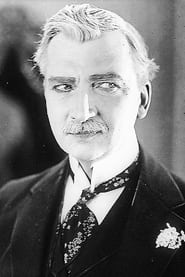
Herbert Prior
Actor
Born: July 1, 1867 in Oxford, England Died: October 13, 1954 Active: 1909-1920 Birth Name: Herbert James Prior
Films
19 films
The Poor Little Rich Girl
1917
The Politician's Love Story
1909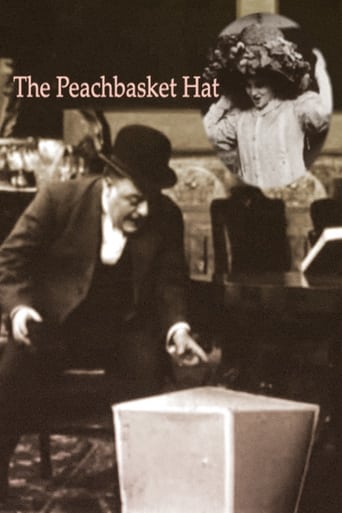
The Peachbasket Hat
1909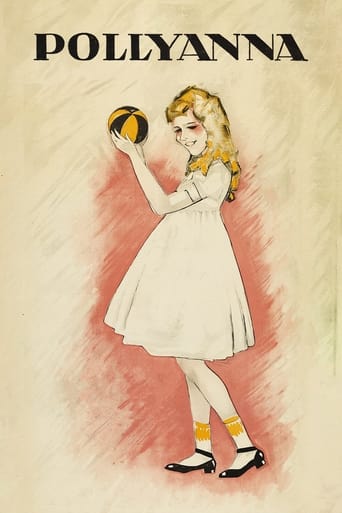
Pollyanna
1920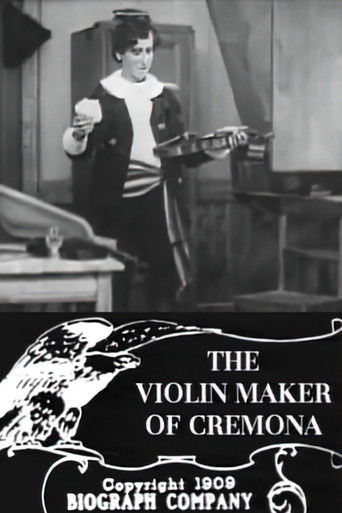
The Violin Maker of Cremona
1909
The Faded Lilies
1909
Lucky Jim
1909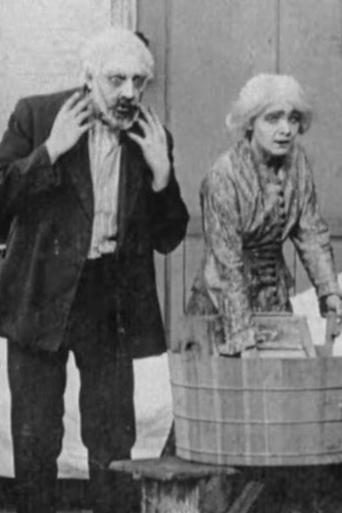
The Necklace
1909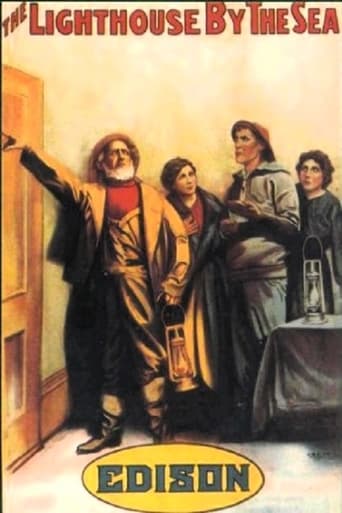
The Lighthouse by the Sea
1911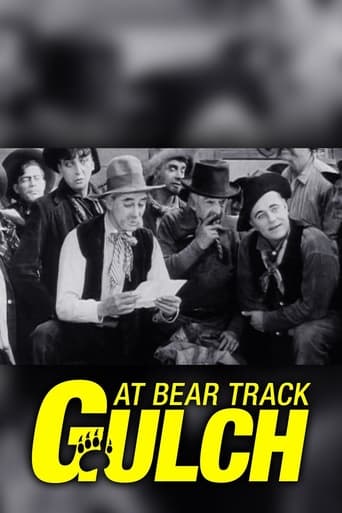
At Bear Track Gulch
1913
His Mother's Thanksgiving
1910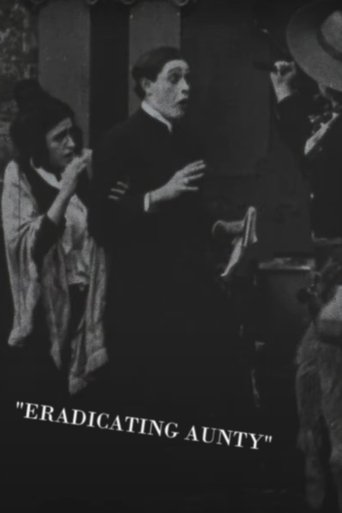
Eradicating Aunty
1909
The Joneses Have Amateur Theatricals
1909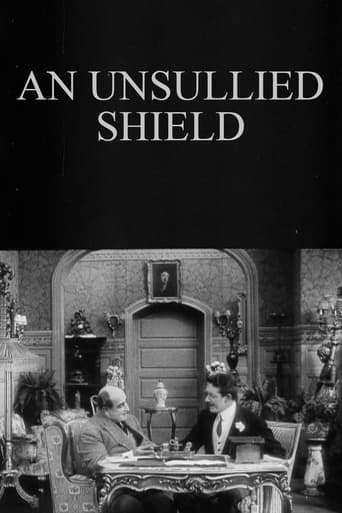
An Unsullied Shield
1913 Confidence
1909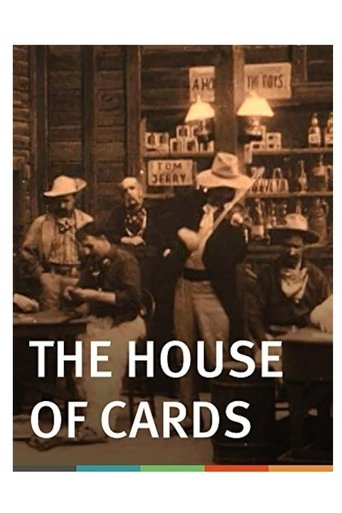
The House of Cards
1909No Poster
The Haunted Bedroom
1913
The Cricket on the Hearth
1909About Herbert Prior
Prolific American silent film actor who emerged during the days of cinema, making his mark primarily with the Biograph Company in the late 1900s and early 1910s. He began his film career in 1909, appearing in numerous short films directed by D.W. Griffith during Griffith's most creative period at Biograph, establishing himself as a reliable character actor capable of playing both lead and supporting roles. Prior worked consistently through the transitional period of American cinema, appearing in over 150 films between 1909 and 1920, often in uncredited roles as the studio system evolved. His performances spanned various genres including dramas, comedies, and westerns, adapting his theatrical style to the new medium of film. As the film industry matured and feature-length productions became standard, Prior continued working but gradually transitioned to smaller character roles. His career effectively ended with the advent of sound films, as was common for many silent era actors whose skills were tied to pantomime and visual storytelling. Prior represents the generation of actors who helped establish the foundation of American cinema during its formative years.
The Craft
On Screen
Prior employed a theatrical acting style typical of the early silent era, characterized by exaggerated gestures and facial expressions necessary to convey emotion in the absence of dialogue. His performances were rooted in 19th-century stage techniques but adapted for the camera's intimate perspective. He demonstrated particular skill in conveying complex emotions through subtle changes in expression, a valuable trait for close-up shots that Griffith pioneered. Prior's versatility allowed him to play both dramatic and comic roles, often portraying authority figures such as fathers, doctors, and businessmen with gravitas and dignity.
Milestones
- Debut in D.W. Griffith's Biograph films (1909)
- Appeared in over 150 silent films
- Worked with directors D.W. Griffith and Mack Sennett
- Transitioned from stage to film during cinema's formative years
- Member of the original Biograph stock company
Best Known For
Iconic Roles
Must-See Films
Accolades
Special Recognition
- Pioneer of American Silent Cinema
Working Relationships
Worked Often With
Studios
Why They Matter
Impact on Culture
Herbert Prior contributed to the foundational development of American cinema during its most experimental and formative period. As a member of the Biograph stock company, he participated in the creation of film language and techniques that would become standard in the industry. His work with D.W. Griffith helped establish the grammar of cinema, including the use of close-ups, cross-cutting, and narrative continuity. Prior represents the bridge between 19th-century theatrical traditions and 20th-century film performance, helping to adapt acting techniques for the new medium. His numerous appearances in early films provide valuable documentation of acting styles and production methods from cinema's era.
Lasting Legacy
Herbert Prior's legacy lies in his contribution to over 150 films during the silent era, many of which are now considered important historical artifacts of early American cinema. His performances, while often uncredited, helped establish character archetypes and acting conventions that would influence generations of film actors. As part of the Biograph Company's golden era, he participated in creating some of the first narrative films that demonstrated cinema's potential as an art form. His work survives as proof of the actors who built the foundation of Hollywood during its infancy, often without recognition or fame. Prior's career trajectory from stage to silent film mirrors the broader evolution of American entertainment during the early 20th century.
Who They Inspired
Prior influenced younger actors at Biograph through his professional approach and adaptability to the new medium of film. His transition from theatrical to film acting techniques provided a model for other stage actors entering the film industry. While not a major star, his consistent work ethic and versatility demonstrated the types of skills needed for success in the rapidly evolving film industry. His performances in early Griffith films helped establish acting conventions for silent cinema that would be refined by subsequent generations of actors.
Off Screen
Herbert Prior was born in England but emigrated to the United States, where he established himself as a stage actor before transitioning to the emerging film industry. He married actress Mary Pickford's sister Lottie Pickford, though this marriage ended in divorce, making him briefly part of one of early Hollywood's most famous families. After his film career ended, Prior largely retired from public life and lived in relative obscurity during his later years. He witnessed the complete transformation of the film industry from its primitive beginnings to the sophisticated studio system of the Golden Age.
Education
Stage training in England and United States
Family
- Lottie Pickford (1910-1920)
Did You Know?
- Was briefly married to Lottie Pickford, sister of the famous Mary Pickford
- Began his career as a stage actor in England before emigrating to America
- Appeared in more films in a single year (1910) than many actors do in their entire careers
- Worked during the period when actors were not Herbert Prior appeared in films, making many of his roles difficult to identify definitively
- Participated in D.W. Griffith's experiments with film language and technique
- Lived to see the complete transformation of the film industry from silent to sound to color
- Was part of the original group of actors who helped establish Hollywood as the center of American film production
- His British background gave him a distinctive presence among the primarily American actors of the Biograph company
- Survived the transition from short films to feature-length productions
- Retired from acting just as the sound era was beginning, like many silent film performers
Frequently Asked Questions
Who was Herbert Prior?
Screen credits include over 150 films between 1909 and 1920, primarily with the Biograph Company. He was a prolific character actor during cinema's formative years, working frequently with director D.W. Griffith.
What films is Herbert Prior best known for?
Titles linked here include The Son's Return (1909), The Politician's Love Story (1909).
When was Herbert Prior born and when did he die?
Born July 1, 1867; died October 13, 1954.
What awards did Herbert Prior win?
Herbert Prior did not receive formal awards or nominations during his career, as such recognition was uncommon in the early film industry. His contributions are recognized historically as part of the generation that established American cinema.
What was Herbert Prior's acting style?
Prior employed a theatrical acting style typical of the silent era, using exaggerated gestures and facial expressions to convey emotion without dialogue. He adapted 19th-century stage techniques for the camera, showing particular skill in close-up shots and conveying complex emotions through subtle expression changes.