The Necklace
"Costume jewels, real debt"
Keys: Space play/pause · ←/→ 10s · F fullscreen · M mute · </> speed
About this film
Mrs. Kendrick borrows a necklace for a ball; when it vanishes the couple rebuild their life on debt for a jewel that was paste. Guy de Maupassant's 'The Necklace' adapted as 1909 moral fable.
Cast & crew
More films like this


More Drama films
View all →







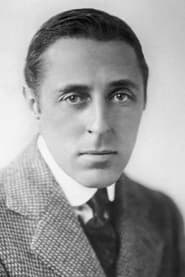
More from D.W. Griffith
View all →
More about this film
About the production
Release dateMarch 11, 1909
ProductionAmerican Mutoscope and Biograph Company
Filmed inNew York City, Fort Lee, New Jersey
the release was part of D.W. Griffith's prolific period at Biograph where he directed approximately 450 short films between 1908 and 1913. The film was shot on 35mm black and white film stock typical of the era. Griffith was experimenting with narrative techniques and moral storytelling during this period, using simple domestic situations to explore complex social themes.
Themes
Social class and statusPride and deceptionMaterialism vs. happinessSacrifice and sufferingAppearance vs. reality
Themes & topics
Historical background
Released in 1909, The Necklace belongs to the nickelodeon era and reflects production norms of its release season.
Why this film matters
The Necklace contributes to understanding regional output and audience tastes around 1909.
Making of
The filming of 'The Necklace' took place during a crucial period in D.W. Griffith's development as a filmmaker. At Biograph, Griffith was given unprecedented creative freedom and was directing multiple films per week. The studio operated out of a brownstone in New York City and later moved to Fort Lee, New Jersey, where many early films were shot due to the favorable lighting and proximity to New York. Griffith was known for his meticulous attention to detail even in these early years, often rehearsing his actors extensively. The cast would have been paid daily rates typical of the era - approximately $5-15 per day depending on their status. The film was likely shot with a single camera setup, as was standard practice, with minimal editing between takes. Griffith was already developing his reputation for demanding performances and pushing the boundaries of what was possible in short-form narrative cinema.
What critics said
Review records for The Necklace are typical of 1909: brief for shorts, more sustained for features.
Did you know?
- the release is an adaptation of Guy de Maupassant's famous 1884 short story 'La Parure' (The Necklace), though Griffith made significant changes to the original plot
- The film was released during Griffith's most productive year at Biograph, when he directed 142 films in 1909 alone
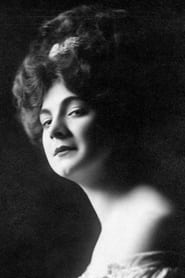
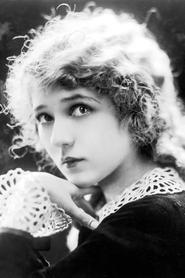
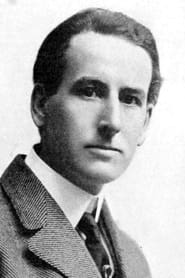
- Rose King, who plays Mrs. Kendrick, was one of Griffith's favorite early actresses before he discovered Mary Pickford
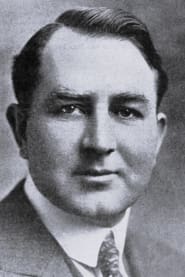
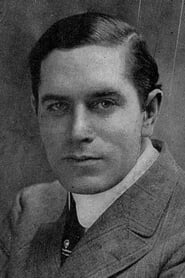
- Herbert Prior, who plays Mr. Kendrick, was a British actor who appeared in over 200 films between 1908 and 1918
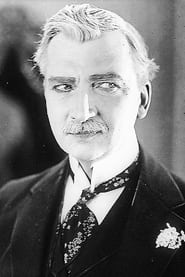
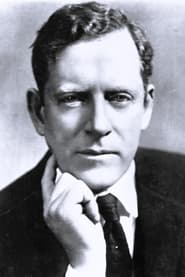
- Anthony O'Sullivan, who appears in the film, would later become a director himself at Biograph
- The film represents Griffith's early exploration of social class themes that would become central to his later work
- Like most Biograph films of this era, it was likely shot in just one or two days
- The film was part of Biograph's strategy to produce films with moral lessons that appealed to middle-class audiences
- The original negative was likely destroyed in the 1914 Biograph studio fire, though some copies survived
- the release was released just as Griffith was beginning to develop his signature cross-cutting techniques
Visual style
The cinematography in 'The Necklace' reflects the standard practices of 1909 American filmmaking while showing Griffith's emerging sophistication. The film was likely shot by Biograph's regular cinematographers such as G.W. Bitzer or Arthur Marvin, using stationary cameras typical of the era. The lighting would have been primarily natural or studio lighting, with the characteristic high contrast of early film stock. Griffith was already beginning to use closer shots for emotional emphasis, though most scenes would have been filmed in medium long shot to capture the full action. The composition shows Griffith's attention to visual storytelling, using the frame to emphasize social status differences and emotional states. The film demonstrates the emerging use of editing to create narrative continuity and emotional rhythm, techniques that Griffith was helping to develop and standardize during this period.
Innovations
While not as technically innovative as some of Griffith's other 1909 works, 'The Necklace' demonstrates several important technical achievements of early cinema. The film shows Griffith's developing mastery of continuity editing, creating a clear narrative flow across multiple scenes and time periods. The use of intertitles to convey narrative information and dialogue represents the emerging language of silent cinema. The film's effective use of cross-cutting between different spaces to build tension and show parallel action reflects Griffith's experimentation with temporal manipulation. The production demonstrates the growing sophistication of mise-en-scène in early cinema, with careful attention to set dressing, costumes, and props to convey social status and character relationships. The film also shows the emerging ability to create emotional impact through performance and editing techniques that were still being developed and standardized during this period.
Music
Like all films of 1909, 'The Necklace' was originally presented as a silent film with live musical accompaniment. The typical nickelodeon presentation would have featured a pianist or small ensemble providing background music appropriate to the mood of each scene. The music would have been selected from popular classical pieces, hymns, or specially compiled cue books that matched emotional situations - dramatic music for tense moments, sentimental melodies for emotional scenes, and faster-paced music for moments of crisis. Some larger theaters might have had small organs or even orchestras. The musical accompaniment was crucial in conveying emotion and narrative emphasis in an era before synchronized sound. The score would have been improvised or selected by the house musician based on the film's content and their musical judgment.
Memorable scenes
- The moment when the Kendricks first see the replacement necklace and realize the enormous debt they must undertake
- The thief's discovery that the stolen necklace is merely worthless costume jewelry
- The final scene showing the aged, impoverished Kendricks still struggling to pay their debt, unaware of the tragic irony
What audiences thought
Audiences in 1909 responded positively to 'The Necklace' and similar moral tales from Biograph. The film's clear message about the dangers of pride and the importance of honesty resonated with middle-class nickelodeon patrons who were the primary audience for motion pictures during this period. Contemporary accounts suggest that audiences appreciated films with recognizable social situations and moral lessons, which they could discuss and relate to their own lives. The emotional arc of the Kendricks' suffering and sacrifice would have been particularly effective in eliciting audience sympathy, demonstrating the growing power of cinema to create emotional engagement. The film's tragic irony - that the couple suffers for nothing - would have provided audiences with a powerful moral lesson about honesty and the dangers of social pretension.
Film connections
Influenced by
- Guy de Maupassant's 'The Necklace' (1884)
- Victorian moral literature
- Progressive Era social reform movements
- 19th century domestic melodrama
This film influenced
- Various later adaptations of 'The Necklace'
- Griffith's later moral tales such as 'A Corner in Wheat' (1909)
- Early 1910s social problem films
Film restoration
The film survives in archives and is considered preserved, though the original Biograph negative was likely destroyed in the 1914 studio fire. Prints exist in several film archives including the Library of Congress and the Museum of Modern Art. The film has been restored and digitized as part of various early cinema preservation projects.
Where to watch
- The film is available on DVD in collections of early D.W. Griffith works
- It can be viewed on various streaming platforms specializing in classic cinema
- Some public domain versions may be available on internet archives
- Film archives and museums occasionally screen it in retrospectives of early cinema