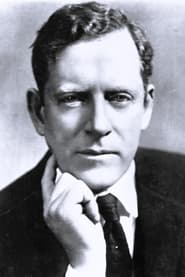
James Kirkwood
Actor & Director
Born: February 22, 1875 in Michigan, United States Died: August 24, 1963 Active: 1909-1922
Films
26 films
The Slave
1909
A Corner in Wheat
1909
1776, or The Hessian Renegades
1909
The Renunciation
1909
Cinderella
1914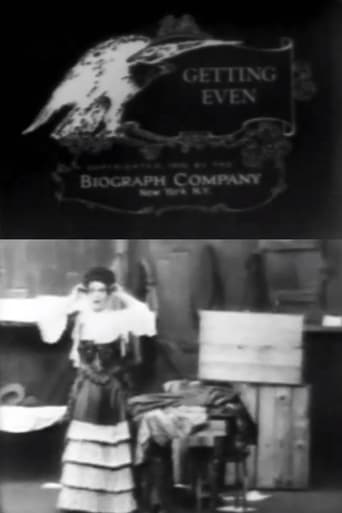
Getting Even
1909
The Faded Lilies
1909
Comata, the Sioux
1909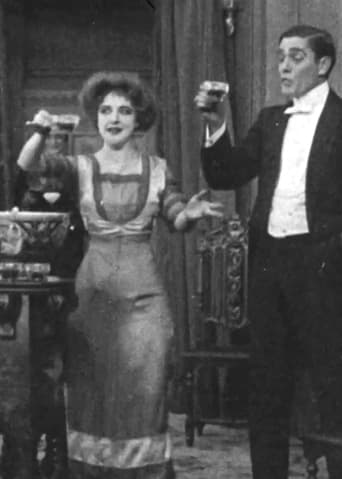
The Day After
1909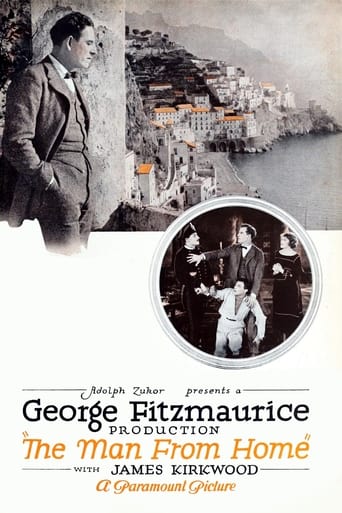
The Man From Home
1922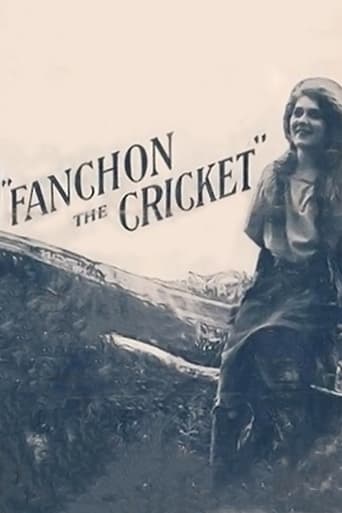
Fanchon, the Cricket
1915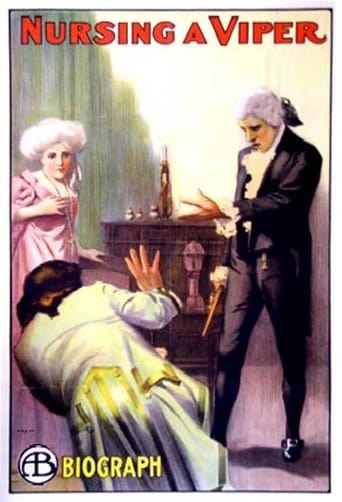
Nursing a Viper
1909
The Mountaineer's Honor
1909
The Necklace
1909
The Redman's View
1909
The Gibson Goddess
1909
Through the Breakers
1909
The Seventh Day
1909
Oh, Uncle!
1909
Sweet and Twenty
1909
Pippa Passes
1909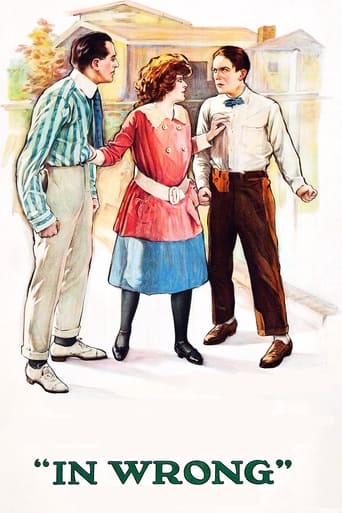
In Wrong
1919
The Way of Man
1909
The Broken Locket
1909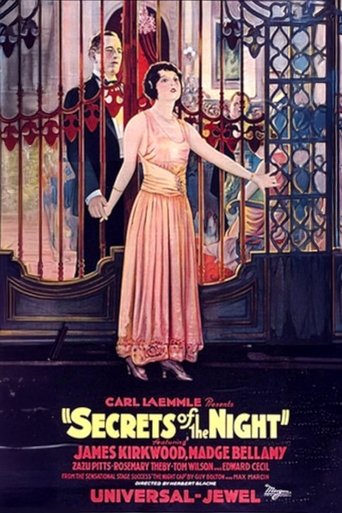
Secrets of the Night
1924About James Kirkwood
Figure in early American cinema who excelled as both an actor and director during the silent era. He began his film career in 1909 with D.W. Griffith at the Biograph Company, appearing in many of Griffith's shorts including 'A Corner in Wheat' and 'The Lonely Villa.' Kirkwood quickly became one of Griffith's most reliable character actors, known for his naturalistic performance style that helped establish early film acting techniques. By 1914, he had transitioned into directing, helming numerous films for major studios including the acclaimed 'Cinderella' (1914) starring Mary Pickford and 'Fanchon, the Cricket' (1915) with Mary Pickford and Jack Pickford. His directing career flourished through the mid-1910s as he worked with some of the era's biggest stars and established himself as a competent studio filmmaker. After World War I, his directing opportunities diminished, and he returned primarily to acting, though he struggled to maintain his earlier prominence as the film industry evolved. Kirkwood witnessed the complete transformation of cinema from its primitive beginnings to the sophisticated studio system, retiring in the early 1920s. His legacy extends beyond his own contributions through his son James Kirkwood Jr., who became a celebrated playwright and author, winning the Pulitzer Prize for 'A Chorus Line.'
The Craft
On Screen
Kirkwood was known for his naturalistic acting style that contrasted with the theatrical mannerisms common in early cinema. His performances were characterized by subtle gestures and restrained emotions, which made him particularly effective in dramatic roles. Working under D.W. Griffith's direction, Kirkwood helped develop the more realistic acting techniques that would become standard in film. He had a commanding screen presence and was equally adept at playing both sympathetic heroes and antagonistic characters.
Behind the Camera
As a director, Kirkwood demonstrated a solid command of visual storytelling and narrative pacing, influenced by his years working with Griffith. His films featured clear composition and effective use of cross-cutting to build dramatic tension. Kirkwood showed particular skill in directing actresses, bringing out natural performances from his leading ladies. While not an innovator like Griffith, he was a reliable studio craftsman who delivered commercially successful entertainment films that met the standards of the era.
Milestones
- Member of D.W. Griffith's Biograph acting company
- Directed Mary Pickford in Cinderella (1914)
- Transitioned successfully from acting to directing
- Directed over 60 films during his career
- Appeared in early landmark films including A Corner in Wheat
- Father of Pulitzer Prize-winning playwright James Kirkwood Jr.
Best Known For
Iconic Roles
Must-See Films
Accolades
Special Recognition
- Pioneer of early American cinema
Working Relationships
Worked Often With
Studios
Why They Matter
Impact on Culture
James Kirkwood played a significant role in the development of early American cinema during its formative years. As part of D.W. Griffith's Biograph company, he contributed to the establishment of film grammar and acting techniques that would influence generations of filmmakers. His transition from actor to director represented the professional mobility possible in early Hollywood, when the industry was still young and boundaries between roles were more fluid. Kirkwood's work with major stars like Mary Pickford helped establish the star system that would dominate Hollywood for decades. His films, while not revolutionary, were part of the foundation upon which classical Hollywood cinema was built, contributing to the development of narrative film as an art form and entertainment medium.
Lasting Legacy
James Kirkwood's legacy in cinema history is twofold: his direct contributions to early film and his indirect influence through his family. As a filmmaker, he represents the generation of pioneers who helped establish the language of cinema, working during the crucial period when film evolved from novelty to art. His films, particularly his collaborations with Mary Pickford, are important artifacts of early Hollywood that demonstrate the development of film narrative and technique. Perhaps ironically, his most lasting cultural impact comes through his son James Kirkwood Jr., whose theatrical achievements, particularly 'A Chorus Line,' represent a different but equally significant contribution to American entertainment culture. The Kirkwood family thus bridges two major eras of American entertainment history, from the birth of cinema to the golden age of Broadway.
Who They Inspired
Kirkwood influenced early cinema primarily through his naturalistic acting style, which helped move film performance away from theatrical exaggeration toward more subtle, camera-appropriate techniques. His work with D.W. Griffith contributed to the development of the cinematic language that would become standard in narrative filmmaking. As a director, he helped establish efficient studio production methods and demonstrated how to effectively direct film performances. While not as widely remembered as some of his contemporaries, his body of work influenced countless actors and directors who followed, particularly in establishing the importance of restrained, believable performances on screen. His career trajectory from actor to director also provided a model for other filmmakers seeking to expand their creative roles within the industry.
Off Screen
James Kirkwood was married twice to fellow actresses, reflecting his deep involvement in the early film community. His first marriage to Gertrude Robinson lasted from 1908 to 1913, during their early years together at Biograph. He later married Lillian Walker in 1915, a marriage that lasted until 1931. His most enduring legacy came through his son James Kirkwood Jr., who achieved remarkable success as a playwright and novelist, winning the Pulitzer Prize for Drama for 'A Chorus Line.' Kirkwood lived a relatively quiet life after his film career ended, witnessing his son's literary success while remaining connected to Hollywood through family connections.
Education
No formal education in filmmaking; learned through practical experience in the early film industry
Family
- Gertrude Robinson (1908-1913)
- Lillian Walker (1915-1931)
Did You Know?
- Was part of D.W. Griffith's original Biograph stock company
- Appeared in the landmark film 'A Corner in Wheat' (1909)
- Directed Mary Pickford in multiple films when she was becoming America's Sweetheart
- His son James Kirkwood Jr. Co-wrote the book for the musical 'A Chorus Line' which won the Pulitzer Prize
- Worked as both actor and director during the same period, common in early film but rare later
- His directing career peaked around 1915-1916 during the transition to feature-length films
- Was married to two different actresses, both of whom he worked with professionally
- Appeared in over 100 films as an actor during his career
- Directed approximately 60-70 films, though many are now lost
- Retired from films just as the industry was transitioning to sound
- Lived to see his son achieve major success in theater, a different entertainment medium
- His films are studied by film historians as examples of transitional cinema techniques
In Their Own Words
No widely documented quotes from James Kirkwood have survived in film history records
Frequently Asked Questions
Who was James Kirkwood?
American actor and on YTB.my. He was a member of D.W. Griffith's Biograph Company and later became a director, working with major stars like Mary Pickford. He is also known as the father of Pulitzer Prize-winning playwright James Kirkwood Jr.
What films is James Kirkwood best known for?
Titles linked here include A Corner in Wheat (1909), Cinderella (1914).
When was James Kirkwood born and when did he die?
Born February 22, 1875; died August 24, 1963.
What awards did James Kirkwood win?
James Kirkwood himself did not receive major formal awards during his career, as many film honors were not yet established during his active years. However, his son James Kirkwood Jr. Won the Pulitzer Prize for Drama for 'A Chorus Line,' continuing the family's legacy in entertainment.
What was James Kirkwood's acting and directing style?
As an actor, Kirkwood was known for his naturalistic style that avoided theatrical exaggeration, making him well-suited for the camera. As a director, he employed clear visual storytelling influenced by D.W. Griffith, with solid composition and effective pacing. He was particularly skilled at directing actresses and delivering commercially successful studio films.
How is James Kirkwood related to 'A Chorus Line'?
James Kirkwood was the father of James Kirkwood Jr., who co-wrote the book for the groundbreaking Broadway musical 'A Chorus Line.' The younger Kirkwood won the Pulitzer Prize for Drama in 1976 for this work, making the Kirkwood name significant in both film and theater history.
What was James Kirkwood's relationship with D.W. Griffith?
Member of D.W. Griffith's original Biograph stock company, appearing in many of Griffith's early groundbreaking films. Griffith mentored Kirkwood and influenced both his acting and directing styles. This early collaboration with one of cinema's pioneers was foundational to Kirkwood's career.