
The Man From Home
"Booth Tarkington's heiress torn between home and Italy."
Keys: Space play/pause · ←/→ 10s · F fullscreen · M mute · </> speed
About this film
A fairly conventional romance of an American heiress, loved by boy back home, bedazzled by a glamorous prince in beautiful Italian surroundings.
Cast & crew
More films like this

More Drama films
View all →







More from George Fitzmaurice
View all →
More about this film
About the production
Release dateJune 25, 1922
Box officeUnknown
ProductionFamous Players-Lasky Corporation, Paramount Pictures
Filmed inCalifornia, USA (standing in for Italy), Santa Barbara, California, Santa Monica, California
The film was a remake of the 1914 version of the same name, which was itself based on a popular 1908 play by Booth Tarkington and Harry Leon Wilson. The production utilized California locations to create convincing Italian settings, taking advantage of the state's Mediterranean-like architecture and landscapes. Director George Fitzmaurice was known for his sophisticated visual style and attention to detail in set design.
Themes
American vs. European valuesTrue love vs. superficial attractionCultural identityMoral integrityClass differences
Themes & topics
American heiressEuropean princeItalyLove triangleCultural clashRomanceBetrayalRedemptionMoral choiceExotic locations
Historical background
The Man From Home (1922) reached screens through Famous Players-Lasky Corporation. Exhibitors of the time built silent-era bills that mixed shorts, features, and live acts, so a clear premise helped The Man From Home travel between cities and exchange markets.
Why this film matters
Archivists and revival programmers still cite The Man From Home (1922) when tracing studio habits, casting pools, and the visual rhetoric audiences once took for granted. Even modest surviving prints help map how The Man From Home fit beside competing releases of its day.
Making of
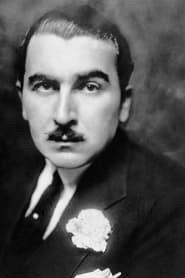
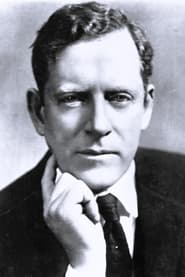
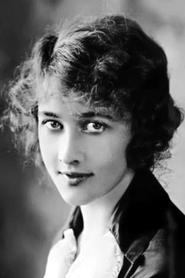
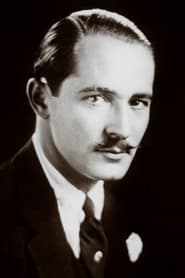
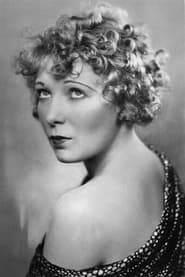
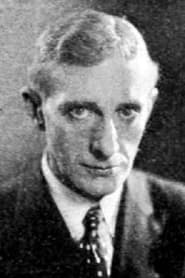
The production of The Man From Home reflected the sophisticated studio system developing in Hollywood during the early 1920s. Famous Players-Lasky Corporation, which would later become Paramount Pictures, invested significantly in the production to create authentic-looking Italian settings without leaving California. Director George Fitzmaurice was known for his meticulous attention to visual detail and worked closely with art directors to create convincing European atmospheres. The casting of Anna Q. Nilsson, who was at the height of her popularity and considered among the leading beautiful women in cinema, was a strategic move to attract audiences. James Kirkwood, a veteran actor from the D.W. Griffith school of filmmaking, brought gravitas to his role as the American hero. The film's production benefited from the growing technical sophistication of Hollywood studios, with improved lighting techniques and camera movements that enhanced the romantic atmosphere of the story.
What critics said
Trade coverage around 1922 discussed The Man From Home for pacing, clarity, and program fit rather than blockbuster grosses. Later writers value it as evidence of period style and as a reference point beside other films from the same era.
Did you know?
- This was the third film adaptation of the popular Booth Tarkington and Harry Leon Wilson play, following a 1914 film and a 1919 version.
- The original play was a major Broadway success and had been performed over 1000 times before being adapted to film.
- Anna Q. Nilsson was one of the highest-paid actresses of the silent era, commanding $15,000 per week during this period.
- Director George Fitzmaurice was married to actress Olive Thomas at the time of production, though Thomas had tragically died in 1920.
- The film was part of a trend in early 1920s cinema that contrasted American values with European sophistication.
- James Kirkwood had previously starred in the 1914 version of this story, though in a different role.
- The film's production coincided with the early years of Paramount Pictures' dominance in Hollywood.
- Despite being set in Italy, the entire film was shot in California to save production costs.
- The story was considered quite racy for its time, dealing with themes of romantic temptation and moral choices.
- This was one of the last films in which Geoffrey Kerr appeared before returning primarily to stage work.
Visual style
The cinematography of The Man From Home, handled by Arthur Edeson (who would later become famous for his work on films like Casablanca and The Maltese Falcon), exemplified the sophisticated visual style developing in Hollywood during the early 1920s. The film utilized California locations to create convincing Italian atmosphere, employing careful composition and lighting to evoke romantic European settings. The cinematography included elegant tracking shots and carefully composed interior scenes that highlighted the contrast between American simplicity and European opulence. The visual style emphasized the glamorous aspects of the Italian settings while maintaining clear visual storytelling appropriate for the silent era. Edeson's work demonstrated the growing technical sophistication of Hollywood cinematography, with attention to lighting effects that enhanced the romantic mood and dramatic moments.
Innovations
While The Man From Home was not particularly innovative in its technical aspects, it demonstrated the high level of craftsmanship that had become standard in major Hollywood productions by 1922. The film's use of California locations to stand in for Italian settings showed the industry's growing expertise in creating convincing foreign atmospheres without leaving the United States. The production likely utilized the latest camera and lighting equipment available to Paramount, including improved lighting techniques that allowed for more naturalistic interior scenes. The film's editing techniques, while conventional for the period, demonstrated the sophisticated continuity editing that had become standard in Hollywood cinema. The set design and art direction represented the high level of craftsmanship that major studios were achieving by the early 1920s, with detailed recreations of Italian architecture and interiors that enhanced the film's visual appeal.
Music
As a silent film, The Man From Home would have been accompanied by live musical performance during its theatrical run. The score would have been compiled from various classical pieces and popular music of the era, with selections chosen to match the emotional tone of each scene. For the Italian settings, the musical accompaniment likely included Italian-themed compositions and romantic melodies to enhance the exotic atmosphere. The emotional moments would have been underscored with appropriate classical pieces, while the American scenes might have featured more straightforward, patriotic-sounding themes. Theaters of major cities would have employed full orchestras, while smaller venues would have used piano or organ accompaniment. The musical experience was an integral part of silent film presentation, and The Man From Home would have benefited from carefully selected musical accompaniment that enhanced its romantic and dramatic elements.
Famous quotes
In America, we believe in being honest with ourselves and with others.
The glamour of Europe cannot compare to the truth of an honest heart.
Sometimes the man from home is the only one who truly understands your heart.
Memorable scenes
- The romantic gondola scene in Venice where the prince first charms the American heiress
- The dramatic confrontation scene between the American hero and the European prince in an opulent Italian palace
- The final emotional scene where the heroine must choose between her two suitors against the backdrop of a beautiful Italian sunset
What audiences thought
The Man From Home was well-received by audiences upon its release in 1922, benefiting from the popularity of its stars and the enduring appeal of its source material. The story's themes of love, loyalty, and cultural values resonated strongly with early 1920s moviegoers, who were increasingly sophisticated in their tastes but still appreciated clear moral storytelling. Anna Q. Nilsson's star power was a significant draw, as she was one of the era's most popular actresses. The film's exotic Italian settings provided the escapist entertainment that audiences craved, while the ultimately pro-American message satisfied the patriotic sentiments prevalent in post-war America. Box office returns, while not precisely documented, were considered satisfactory for Paramount, contributing to the studio's successful year in 1922.
Film connections
Influenced by
- Booth Tarkington and Harry Leon Wilson's 1908 play
- 1914 film adaptation
- 19th-century European romance literature
- American cultural exceptionalism narratives
This film influenced
- Later films contrasting American and European values
- Romantic dramas featuring love triangles with foreign settings
- Early sound films with similar themes
Film restoration
The preservation status of The Man From Home (1922) is uncertain. Like many films from the silent era, it may be lost or exist only in incomplete form. The film is not currently available on home video or through major streaming services, suggesting that no complete, restored version is readily accessible to the public. Some archives or private collectors may hold copies or fragments, but a comprehensive restoration has not been widely distributed. This represents a significant loss to film history, as the film was an important example of early 1920s romantic drama and featured major stars of the era.
Where to watch
- Currently not commercially available
- May be held in film archives such as the Library of Congress or UCLA Film & Television Archive
- Possible screenings at silent film festivals or special events
- Check with film preservation societies for potential viewing opportunities