Anna Q. Nilsson
Actor
Born: March 30, 1888 in Ystad, Skåne, Sweden Died: February 11, 1974 Active: 1911-1958 Birth Name: Anna Quirentia Nilsson
Films
7 films
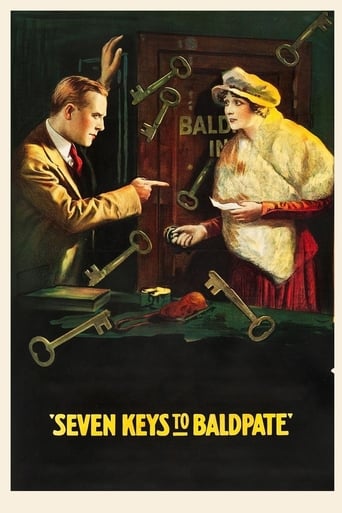
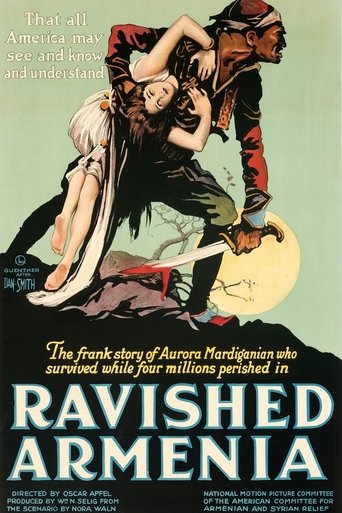
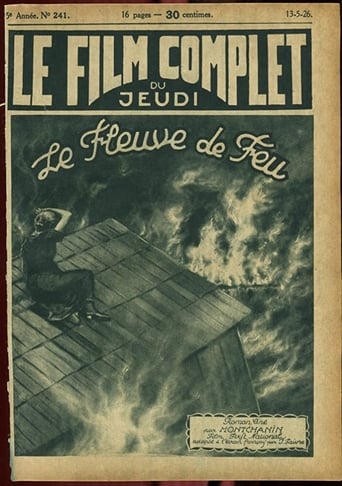
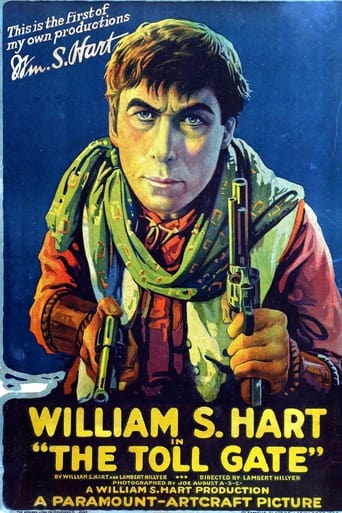
About Anna Q. Nilsson
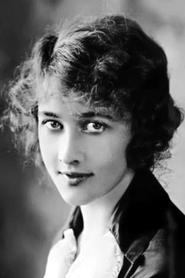
Anna Quirentia Nilsson — Swedish-American actress who rose to become stars of the silent film era. Discovered by director Kenean Buel in 1911, she quickly ascended from bit parts to leading roles, becoming one of Hollywood's first international stars and one of the highest-paid actresses of her time. Throughout the 1910s and 1920s, she appeared in over 200 films, working with major studios like Paramount and earning the nickname 'the Panic' due to the excitement she generated among fans. She successfully navigated the transition to sound films in the late 1920s, though her starring roles diminished during the Great Depression. After a period of relative obscurity, she made a memorable comeback in the 1950s with small but notable roles in films like Billy Wilder's 'Sunset Boulevard.' Her nearly five decades, making her one of the few silent era stars to maintain industry relevance into the sound era.
The Craft
On Screen
Anna Q. Nilsson was known for her naturalistic acting style that stood out in the exaggerated performance era of early silent films. She brought a subtle emotional depth to her roles, using nuanced facial expressions and body language to convey complex emotions. Her performances were characterized by a graceful dignity and emotional authenticity that resonated with audiences. She was particularly adept at playing strong, independent women who faced adversity with resilience and inner strength. Her transition to sound was seamless due to her clear diction and ability to adapt her acting style to the new medium.
Milestones
- Signed groundbreaking million-dollar contract with Paramount Pictures in 1918
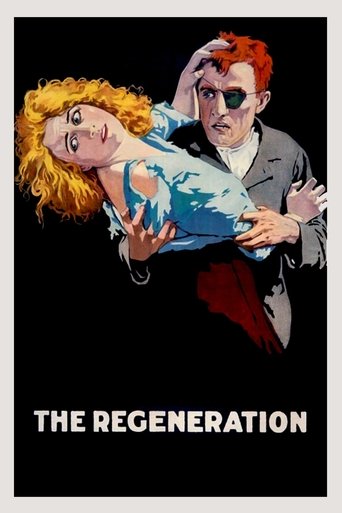
- Starred in the critically acclaimed 'The Regeneration' (1915)
- Appeared in over 200 films during her career
- Successfully transitioned from silent to sound films
- Made memorable comeback in 'Sunset Boulevard' (1950)
- Received star on Hollywood Walk of Fame in 1960
- One of the first Swedish international film stars
Best Known For
Iconic Roles
Must-See Films
Accolades
Won
- Hollywood Walk of Fame Star (1960) - Motion Pictures
- WAMPAS Baby Stars (1922) - Though established, she was honored as a leading lady
Special Recognition
- Swedish-American actress recognition
- Silent film star preservation society honors
- Paramount Pictures Legend status
Working Relationships
Worked Often With
Studios
Why They Matter
Impact on Culture
Trailblazer who helped establish the international star system in Hollywood, proving that foreign-born with credits in this catalog. As one of the first Swedish actresses to achieve international stardom, she paved the way for future Scandinavian performers like Greta Garbo and Ingrid Bergman. Her million-dollar contract with Paramount in 1918 set a precedent for star salaries and helped establish the business model of the studio system. She was instrumental in demonstrating that women could carry major productions and command top billing, contributing to the elevation of female star power in early Hollywood. Her successful transition to sound films challenged the industry bias against silent stars and demonstrated the importance of versatile acting skills.
Lasting Legacy
Anna Q. Nilsson's legacy endures as. Her active years covered from the dawn of Hollywood through the golden age of sound cinema, making her a living bridge between two distinct eras of filmmaking. Her appearance in 'Sunset Boulevard' as herself, alongside other silent-era stars, serves as a powerful meta-commentary on the fleeting nature of fame and the transition between film eras. Film historians recognize her as a figure who helped establish the star system and demonstrated the commercial viability of international talent in Hollywood. Her films, particularly 'The Regeneration' and 'Stella Maris,' are studied as examples of sophisticated silent film acting and storytelling. The preservation of her work continues to provide insight into the evolution of cinematic performance and the role of women in early Hollywood.
Who They Inspired
Anna Q. Nilsson influenced generations of actors through her naturalistic acting style and professional approach to filmmaking. Her ability to convey deep emotion with subtle gestures inspired the more restrained acting style that would become standard in later cinema. She demonstrated that international stars could achieve massive success in Hollywood, influencing studios to seek talent from around the world. Her career longevity and adaptability served as a model for performers transitioning between different film eras. Contemporary actresses studying silent film often cite her work as an example of sophisticated emotional expression without dialogue. Her business acumen in negotiating contracts also influenced how performers approached their careers in the developing studio system.
Off Screen
Anna Q. Nilsson immigrated to the United States as a young woman, initially working as a nurse's aide before discovering her passion for acting. She was married twice, first to actor Guy Coombs from 1916 to 1917, and later to Norwegian actor Jack Young. Despite her immense popularity, she maintained a relatively private personal life, focusing on her craft and career. In her later years, she lived quietly in California, occasionally appearing in film and television roles. She never had children and spent her final years in Sun City, California, where she passed away at age 85.
Education
Limited formal education in Sweden; self-educated through extensive reading and life experience in America
Family
- Guy Coombs (1916-1917)
- Jack Young (1922-1930)
Did You Know?
- She earned the nickname 'the Panic' because her appearances caused such excitement among fans that police sometimes had to be called to control crowds
- She was one of the first actresses to sign a million-dollar contract with a major studio
- Her middle name 'Quirentia' was reportedly chosen because her mother liked the sound of it
- She appeared in a 1918 film called 'The Woman Who Gave' which was one of the first films to deal with the topic of birth control
- She was fluent in Swedish, English, and German, which helped her international appeal
- Her final film appearance was in 'The Errand Boy' (1961) with Jerry Lewis
- She was a founding member of the Hollywood Motion Picture Relief Fund
- During her peak, she received over 1,000 fan letters per week
- She survived a serious car accident in 1924 that temporarily halted her career
- Her star on the Hollywood Walk of Fame is located at 6150 Hollywood Boulevard
In Their Own Words
In the silent pictures, you had to use your eyes and your body to tell the story. It was like being a dancer, every movement had meaning.
The transition to sound wasn't as difficult for me because I always believed in natural acting. The exaggeration was just what the camera demanded in those early days.
Being a star in those days was like being a queen. We were treated with such reverence, but we also worked incredibly hard for it.
I never thought of myself as a great actress, just a professional who loved her work and tried to be the best I could be.
Frequently Asked Questions
Who was Anna Q. Nilsson?
Swedish-American actress who became.
What films is Anna Q. Nilsson best known for?
Titles linked here include The Regeneration (1915), Stella Maris (1918).
When was Anna Q. Nilsson born and when did she die?
Born March 30, 1888; died February 11, 1974.
What awards did Anna Q. Nilsson win?
She received a star on the Hollywood Walk of Fame in 1960 and was recognized as one of the international stars who helped establish Hollywood's star system.
What was Anna Q. Nilsson's acting style?
She was known for her naturalistic acting style that emphasized subtle emotional expression through nuanced facial expressions and body language, standing out in an era of exaggerated silent film performances.
How did Anna Q. Nilsson influence Hollywood?
She helped establish the international star system, proved foreign-born actors could achieve massive success, set precedents for star salaries with her million-dollar contract, and demonstrated successful adaptation to new film technologies.
Did Anna Q. Nilsson appear in talkies?
Yes, she successfully transitioned to sound films in the late 1920s and continued acting through the 1950s, with her most famous later role being in 'Sunset Boulevard' (1950).