


The Confederate Ironclad
"A Northern spy infiltrates the South during the Civil War."
Keys: Space play/pause · ←/→ 10s · F fullscreen · M mute · </> speed
About this film
Civil War spy Elinor, Elinor, a pretty Northern girl, comes south to visit her aunt-- Little does anyone suspect she works as a spy. Lieutenant Yancey, who's nearly engaged to the fetching and resourceful Rose, is gallant enough to show the Yankee guest around, including a walk down a hidden creek where a gunboat is built and awaits powder. Elinor sends this intelligence North, and the Bluecoats attack.
Cast & crew
More films like this
More History films
View all →


More from Kenean Buel
View all →
More about this film
About the production
Release dateMarch 25, 1912
ProductionKalem Company
Filmed inJacksonville, Florida, New York, New York
The Confederate Ironclad was produced by the Kalem Company, one of the leading early American film studios. The film was part of Kalem's successful series of Civil War pictures that capitalized on the 50th anniversary of the conflict. Director Kenean Buel was known for his efficient production methods and ability to create compelling action sequences on limited budgets. The gunboat scenes were likely filmed using models or partial sets, as was common for naval sequences in this era. The film was shot in Jacksonville, Florida, where Kalem had established a winter production facility to take advantage of the favorable climate and diverse locations.
Themes
Civil War espionageNational reconciliationGender roles in wartimeLoyalty and betrayalMilitary technology
Themes & topics
Historical background
Audiences around 1912 encountered The Confederate Ironclad in a market crowded with competing studios fighting for weekly program slots.
Why this film matters
Collectors prize surviving prints of The Confederate Ironclad as evidence of how 1912-era filmmakers solved storytelling problems with limited means.
Making of
The Confederate Ironclad was produced during Kalem Company's winter production season in Jacksonville, Florida, where the studio had established facilities to escape the harsh northern winters. Director Kenean Buel was known for his rapid shooting schedule, often completing films in just a few days. The cast included Anna Q. Nilsson, who was relatively new to films but would soon become a major star, and Miriam Cooper, who was just beginning her career before her breakthrough work with D.W. Griffith. The naval sequences would have been particularly challenging to film in 1912, likely requiring the use of models, partial sets, and clever camera work. The film was part of Kalem's strategy to produce historically-themed pictures that appealed to older audiences with memories of the Civil War while also providing exciting action for younger viewers. The spy elements in the story reflect the growing sophistication of film narratives in the early 1910s, as filmmakers moved away from simple melodramas toward more complex plots with multiple character motivations.
What critics said
Audience surveys from 1912 are scarce; reception for The Confederate Ironclad must be inferred from reissue patterns and how often programmers still book it.
Did you know?
- This film was released during the 50th anniversary of the Civil War, when there was tremendous public interest in Civil War-themed entertainment
- The Confederate Ironclad was one of many Civil War films produced by Kalem Company, which specialized in historical subjects
- Director Kenean Buel was especially prolific directors of the early 1910s, making over 200 films during his career
- The film's title refers to the CSS Virginia (formerly USS Merrimack), the famous Confederate ironclad that fought in the Battle of Hampton Roads in 1862
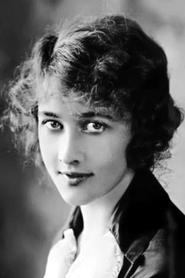
- Anna Q. Nilsson, who played Elinor, would become one of the biggest stars of the silent era, though this was early in her career
- Miriam Cooper, who played Rose, later became a regular collaborator with director D.W. Griffith and appeared in 'The Birth of a Nation' (1915)
- The film was released as a single-reeler, which was the standard format for most movies in 1912
- Kalem Company was known for producing films with strong female protagonists, which was somewhat unusual for the period
- The actual construction of Confederate ironclads was a major strategic concern for the Union during the Civil War, making the film's plot historically relevant
- This film is now considered lost, as are approximately 90% of films made before 1920
Visual style
The cinematography for The Confederate Ironclad would have been typical of Kalem Company productions in 1912. The film was likely shot on 35mm film with hand-cranked cameras, resulting in variable frame rates between 16-22 frames per second. The cinematographer (uncredited, as was common in this era) would have used natural lighting for exterior scenes and artificial lighting for interiors. The naval sequences would have required special techniques, possibly including matte shots or miniature work to create the illusion of a full-sized ironclad. Camera movement would have been limited to what could be achieved with tripods and dollies of the period, though the director might have employed some tracking shots for the action sequences. The film stock would have been orthochromatic, which was sensitive to blue and green light but not red, affecting the tonal rendering of costumes and sets. The visual style would have emphasized clarity and narrative comprehension over artistic experimentation, as was typical for commercial films of this period.
Innovations
The Confederate Ironclad demonstrated several technical achievements common to Kalem Company productions in 1912. The naval sequences, while likely using models or partial sets, would have required careful planning and execution to create convincing action on screen. The film's editing, while basic by modern standards, would have employed cross-cutting techniques to build suspense during the spy and attack sequences. The production would have utilized location shooting in Jacksonville, Florida, taking advantage of the natural scenery and waterways available there. The film's special effects, while rudimentary, would have included practical effects for the battle scenes, possibly using smoke, explosives, and other techniques to simulate warfare. The cinematography would have employed the latest available equipment and techniques of the period, including the use of artificial lighting for interior scenes. The film's preservation of historical detail in costumes and settings, while not always perfectly accurate, reflected the growing emphasis on production values in commercial cinema of the early 1910s.
Music
As a silent film, The Confederate Ironclad would have been accompanied by live musical performance during theatrical exhibition. The specific musical score is not documented, but theaters typically provided appropriate music based on cue sheets supplied by the studio or improvised by the house musician. For a Civil War film with dramatic and action elements, the music would likely have included popular period songs like 'Dixie' and 'The Battle Hymn of the Republic,' along with classical pieces and original compositions to underscore the dramatic moments. The naval attack sequence would have been accompanied by dramatic, percussive music to enhance the excitement. Larger theaters might have employed small orchestras, while smaller venues would have used a pianist or organist. The emotional scenes involving the romantic triangle would have featured slower, more romantic musical themes. The absence of recorded sound meant that intertitles carried the dialogue and narrative exposition, with the music providing emotional context and dramatic emphasis.
Famous quotes
Little does anyone suspect she works as a spy - intertitle describing Elinor's true mission
The gunboat awaits only powder to become operational - intertitle revealing the Confederate weapon
Intelligence must reach the North at once - intertitle showing Elinor's resolve
The Bluecoats attack! - intertitle announcing the military action
Memorable scenes
- Elinor's discovery of the hidden ironclad gunboat in the secret creek
- The tense moment when Elinor transmits intelligence to Union forces
- The dramatic naval attack sequence with explosions and battle action
- The confrontation scenes between the romantic triangle of Elinor, Yancey, and Rose
What audiences thought
The Confederate Ironclad was likely well-received by audiences of 1912, as Civil War films were extremely popular during this period of commemoration. The combination of historical setting, spy intrigue, and naval action would have appealed to the broad audience base that single-reel films targeted. The film's release by Kalem Company, among the leading respected studios of the era, would have ensured wide distribution through their established exchange network. Audience reactions recorded in trade papers suggest that viewers appreciated the film's patriotic themes and exciting action sequences. The presence of attractive leading ladies in Anna Q. Nilsson and Miriam Cooper would have been a significant draw, as female stars were becoming increasingly important box office attractions. The film's relatively short running time (one reel) made it ideal for the typical theater program of the era, which usually featured several short films along with live entertainment. While specific box office figures are unavailable, the film was likely profitable as part of Kalem's successful Civil War series.
Film connections
Influenced by
- The Birth of a Nation (1915) - later Civil War epic
- The Prisoner of Zenda (1913) - espionage elements
- Kalem Company's other Civil War films
This film influenced
- Subsequent Kalem Company Civil War productions
- Early spy films of the 1910s
- Naval warfare films of the silent era
Film restoration
The Confederate Ironclad is considered a lost film. Like approximately 90% of American films produced before 1920, no copies are known to exist in any film archive or private collection. The film was likely lost due to the unstable nitrate film stock used in this era, combined with the practice of studios destroying films after their commercial value expired. No trailers, fragments, or promotional stills from the film are known to survive. The only records of the film's existence are contemporary trade paper announcements, reviews, and film company records. Its loss is particularly significant as it represents an early example of the Civil War spy genre and featured performances by actresses who would become major stars. The film's absence makes it impossible for modern scholars to study Kenean Buel's direction techniques or the specific contributions of its cast members.
Where to watch
- This film is currently unavailable for viewing as it is considered lost. No copies are known to exist in any film archive or collection.