Films
2 films
About Kenean Buel
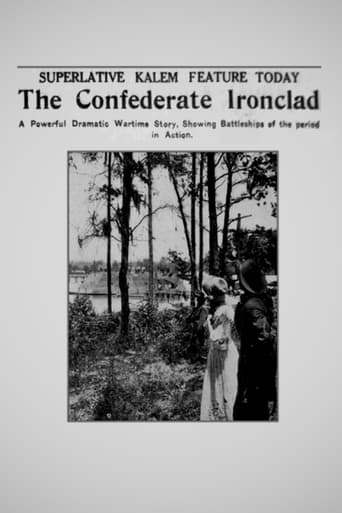
American film director active during the earliest years of American cinema, specifically in 1912. His career appears to have been brief, with records indicating he was only active as a director during this single year. His most notable work was 'The Confederate Ironclad,' a silent film released in 1912 during the burgeoning period of American filmmaking. Like many directors of this era, Buel worked during a time when the film industry was still establishing itself, with most productions being short films produced by rapidly growing studios. The Confederate Ironclad was part of the popular Civil War genre that captivated early American audiences. Unfortunately, detailed records about Buel's life, career trajectory, and other potential works remain scarce, a common issue for many early cinema pioneers whose contributions have been partially lost to time. His brief appearance in film history represents the countless anonymous filmmakers who helped shape the foundations of cinema during its formative years.
The Craft
Behind the Camera
As a director from 1912, Buel would have worked within the technical and artistic constraints of early cinema, likely employing static camera positions, theatrical acting styles, and simple narrative structures typical of the period. Directors of this era were often generalists who handled multiple aspects of production.
Milestones
- Directed 'The Confederate Ironclad' (1912)
- Active during the early silent film era
- Part of generation of American filmmakers
Best Known For
Must-See Films
Why They Matter
Impact on Culture
Kenean Buel represents the countless anonymous pioneers of early American cinema whose individual contributions have been largely lost to history but collectively formed the foundation of the film industry. His work on 'The Confederate Ironclad' contributed to the early development of the Civil War film genre, which would become a significant category in American cinema. Directors like Buel were instrumental in establishing basic cinematic techniques and storytelling methods that would evolve throughout the 20th century. The very existence of his work demonstrates how rapidly the American film industry expanded in the early 1910s, with numerous directors creating content to meet growing public demand for motion pictures.
Lasting Legacy
Kenean Buel's legacy is primarily historical rather than artistic, serving as a reminder of the many early filmmakers whose names have faded but whose work contributed to cinema's development. His brief career illustrates the transient nature of early film work, where many directors worked for only short periods before leaving the industry. The Confederate Ironclad stands as proof of the early fascination with American historical subjects in cinema, a trend that would continue throughout film history. While Buel himself may not be remembered as a major figure, his work is part of the broader tapestry of early American filmmaking that established the industry's foundations.
Who They Inspired
Due to the brief and obscure nature of Kenean Buel's career, there is no documented evidence of direct influence on other filmmakers. However, like all directors of the early 1910s, his work would have contributed to the collective pool of techniques and approaches that subsequent filmmakers built upon. The Civil War subject matter he explored would influence countless later directors who tackled similar historical themes in more sophisticated ways.
Off Screen
Very little is known about Kenean Buel's personal life, which is common for many early cinema figures whose records were not meticulously preserved. The lack of biographical information reflects the transient nature of early film work and the limited documentation practices of the era.
Did You Know?
- Kenean Buel was active as a director for only one recorded year: 1912
- His only known surviving film credit is 'The Confederate Ironclad' from 1912
- The Confederate Ironclad was part of the popular early cinema trend of Civil War-themed films
- Directors from 1912 typically worked on multiple films per year, suggesting Buel may have directed other lost or undocumented films
- Early directors like Buel often had to serve as their own cinematographers, editors, and sometimes even actors
- 1912 was a pivotal year in American cinema, with the industry transitioning from short novelty films to more substantial storytelling
- Many films from 1912 have been lost due to the fragile nature of early film stock and inadequate preservation practices
- The lack of biographical information about Buel is typical of many early film workers who were treated as anonymous craftsmen rather than celebrated artists
Frequently Asked Questions
Who was Kenean Buel?
American on YTB.my. He is primarily known for directing 'The Confederate Ironclad,' a Civil War-themed film from that year. His career appears to have been brief, representing the many anonymous pioneers of early American cinema.
What films is Kenean Buel best known for?
Titles linked here include The Confederate Ironclad (1912).
When was Kenean Buel born and when did he die?
Unfortunately, the birth and death dates of Kenean Buel are not known, which is common for many early cinema figures whose biographical information was not preserved. Historical records from this period are often incomplete or lost.
What awards did Kenean Buel win?
Kenean Buel did not receive any documented awards or nominations. During the early 1910s, the formal award systems for cinema, such as the Academy Awards, had not yet been established, and most early filmmakers worked without formal recognition.
What was Kenean Buel's directing style?
While specific details about Buel's directing style are not documented, directors from 1912 typically worked within the technical limitations of early cinema, using static cameras, theatrical acting styles, and straightforward narrative structures. His work on a historical film suggests an interest in American historical themes.
Why is so little known about Kenean Buel?
The scarcity of information about Kenean Buel is typical of many early cinema pioneers. During the 1910s, film industry documentation was minimal, many films have been lost, and early filmmakers were often treated as anonymous craftsmen rather than celebrated artists with preserved biographies.