
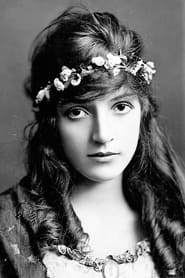
Miriam Cooper
Actor
Born: November 7, 1891 in Baltimore, Maryland, USA Died: April 12, 1976 Active: 1912-1923
Films
4 films
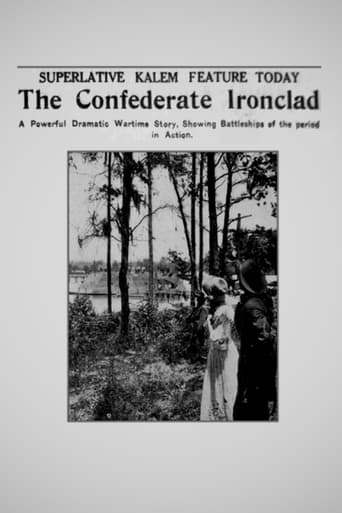
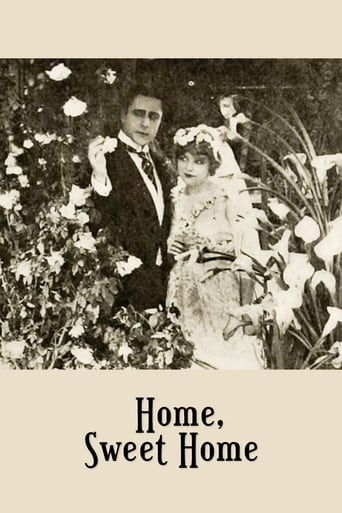
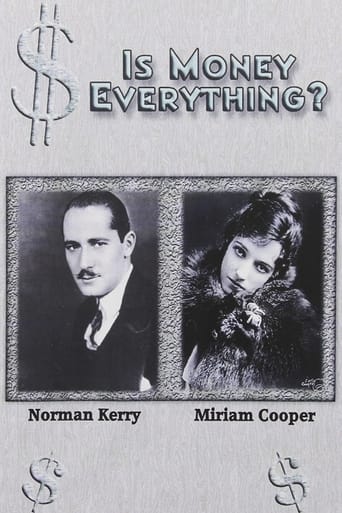
About Miriam Cooper
Silent film actress who rose to prominence during the early years of American cinema. Born in Baltimore, Maryland, she began her film career in 1912 with the Biograph Company, where she caught the attention of director D.W. Griffith. Cooper became one of Griffith's favored actresses, appearing in several of his most significant works including the controversial epic 'The Birth of a Nation' (1915), where she played the role of Margaret Cameron. Her career flourished during the mid-1910s, and she married director Raoul Walsh in 1916, with whom she frequently collaborated. Cooper established her own production company, the Miriam Cooper Corporation, in 1917, demonstrating her business acumen and entrepreneurial spirit in an era when few women held such positions. After retiring from acting in the early 1920s, she focused on her family and later became an accomplished painter and sculptor. Cooper lived to be 84 years old, witnessing the complete transformation of the film industry from its silent origins to the modern era, and her contributions to early cinema remain significant though often overlooked in contemporary film history.
The Craft
On Screen
Miriam Cooper was known for her expressive and naturalistic acting style that was well-suited to the silent era. She possessed a remarkable ability to convey deep emotion through subtle facial expressions and body language, making her particularly effective in dramatic roles. Her performances were characterized by a delicate balance of Victorian-era restraint and passionate intensity, which made her especially appealing in period pieces and melodramas. Cooper's screen presence was described as both ethereal and grounded, allowing her to portray characters ranging from innocent young women to strong-willed protagonists with equal conviction.
Milestones
- Signed with Biograph Company in 1912
- Starred in D.W. Griffith's 'The Birth of a Nation' (1915)
- Married director Raoul Walsh in 1916
- Founded Miriam Cooper Corporation production company in 1917
- Retired from acting in 1923 to focus on family
Best Known For
Iconic Roles
Must-See Films
Accolades
Special Recognition
- Star on Hollywood Walk of Fame
Working Relationships
Worked Often With
Studios
Why They Matter
Impact on Culture
Miriam Cooper played a significant role in the development of American cinema during its most formative decade. Her work with D.W. Griffith helped establish the visual language of narrative film, and her performances in 'The Birth of a Nation' and 'Intolerance' contributed to these films' lasting influence on cinema history, despite their controversial nature. As one of the few women of her era to establish her own production company, Cooper paved the way for future generations of female filmmakers and entrepreneurs in Hollywood. Her career trajectory from actress to producer reflected the dynamic nature of the early film industry, where creative individuals could cross traditional boundaries and shape the medium's evolution.
Lasting Legacy
Miriam Cooper's legacy lies primarily in her contributions to the foundation of American narrative cinema and her role as one of D.W. Griffith's most reliable leading ladies. Her performances in some of the most influential - and controversial - films of the silent era have ensured her place in film history, even as she herself has become less remembered than some of her contemporaries. Cooper's establishment of her own production company demonstrated early female entrepreneurship in Hollywood, setting an example for future generations. Her later life as an artist and her willingness to share memories of early Hollywood with historians have helped preserve important aspects of film history. Though she retired from acting relatively early in her career, her work continues to be studied by film scholars and enthusiasts of silent cinema.
Who They Inspired
Miriam Cooper influenced subsequent generations of actors through her naturalistic acting style that helped move film performance away from theatrical conventions toward more cinematic techniques. Her success in establishing her own production company inspired other women in the industry to pursue entrepreneurial roles beyond acting. Cooper's collaborations with D.W. Griffith contributed to the development of cinematic storytelling techniques that would become standard in the industry. Her performances in Griffith's epics demonstrated how actors could convey complex emotions and character development through visual means alone, influencing how silent film acting evolved throughout the 1920s.
Off Screen
Miriam Cooper married director Raoul Walsh in 1916, and their marriage was. The couple had one daughter, Patricia, born in 1918. Cooper and Walsh divorced in 1926, after which Cooper largely withdrew from public life. She later married John S. Robertson in 1930, a former railroad executive, and remained married to him until his death. In her later years, Cooper devoted herself to artistic pursuits including painting and sculpture, and she lived quietly in Los Angeles, occasionally giving interviews about her experiences in early Hollywood. She maintained relationships with other silent film veterans and was a respected figure among film historians who sought her firsthand accounts of the industry's formative years.
Education
Attended public schools in Baltimore, Maryland; no formal acting training, learned through experience in film industry
Family
- Raoul Walsh (1916-1926)
- John S. Robertson (1930-1963)
Did You Know?
- Was discovered by D.W. Griffith while working as a model for artist Charles Dana Gibson
- Appeared in over 60 films during her career, though many are now lost
- Her production company, Miriam Cooper Corporation, was one of the first female-owned production companies in Hollywood
- Was one of the few actresses to successfully transition from Griffith's company to independent production
- Her divorce from Raoul Walsh was highly publicized in Hollywood trade papers
- Served as a technical advisor on several films about the silent era in her later years
- Was a founding member of the Hollywood Women's Club
- Her daughter Patricia later became a film editor
- Appeared in both parts of Griffith's 1916 masterpiece 'Intolerance'
- Was one of the highest-paid actresses of her time, earning $500 per week in 1916
In Their Own Words
The silent film was a universal language. You didn't need words to tell a story when you had the camera and your heart.
Working with Mr. Griffith was like attending the finest film school in the world. He taught us everything about what the camera could do.
Hollywood in those days was like a small town where everyone knew everyone. We were all pioneers, making up the rules as we went along.
Frequently Asked Questions
Who was Miriam Cooper?
American silent film actress who worked primarily with on YTB.my.W. Griffith in the 1910s. She appeared in landmark films including 'The Birth of a Nation' and 'Intolerance,' and later established her own production company, making her one of the few female producers of her era.
What films is Miriam Cooper best known for?
Titles linked here include The Birth of a Nation (1915), Intolerance (1916).
When was Miriam Cooper born and when did she die?
Born November 7, 1891; died April 12, 1976.
What awards did Miriam Cooper win?
While Miriam Cooper did not receive major formal awards during her career, she was honored with a star on the Hollywood Walk of Fame for her contributions to film. Her greatest recognition came from her association with D.W. Griffith and her status as one of the actresses of American cinema.
What was Miriam Cooper's acting style?
Miriam Cooper was known for her naturalistic and expressive acting style that was well-suited to silent films. She could convey deep emotions through subtle facial expressions and body language, moving away from the theatrical acting common in early cinema. Her performances were characterized by a delicate balance of restraint and passion, making her particularly effective in dramatic roles.
Was Miriam Cooper married to Raoul Walsh?
Yes, Miriam Cooper married director Raoul Walsh in 1916, and their marriage was one of Hollywood's most notable unions during the silent era. They had one daughter together but divorced in 1926. Cooper later married John S. Robertson in 1930 and remained with him until his death.
Did Miriam Cooper have her own production company?
Yes, in 1917, Miriam Cooper established the Miriam Cooper Corporation, making her one of the first women to own and operate a film production company in Hollywood. This was a remarkable achievement for the time period and demonstrated her business acumen and entrepreneurial spirit in the male-dominated film industry.