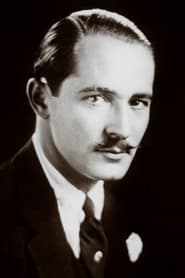
Norman Kerry
Actor
Born: June 16, 1894 in Rochester, New York, USA Died: January 12, 1956 Active: 1916-1932 Birth Name: Norman Hussey Kaiser
Films
12 films
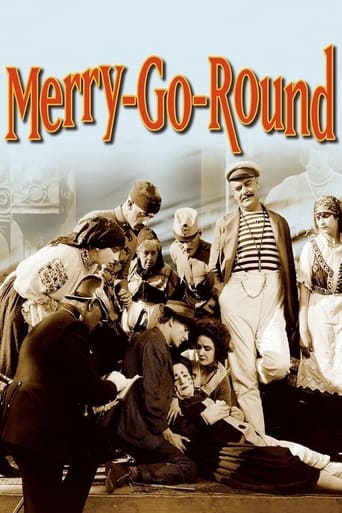
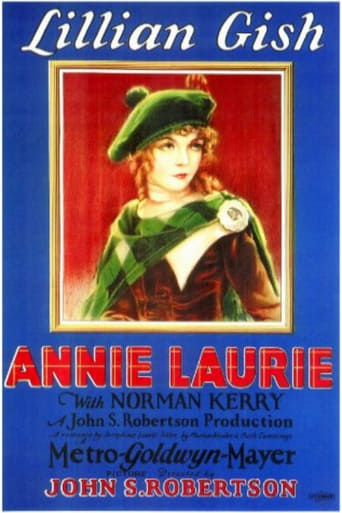
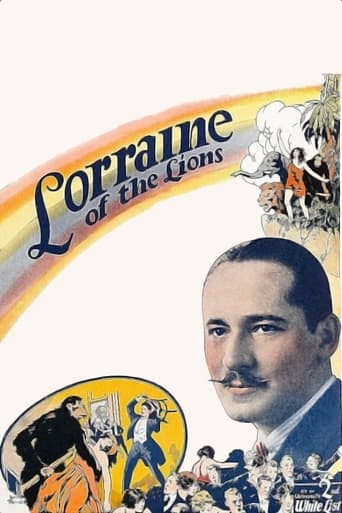
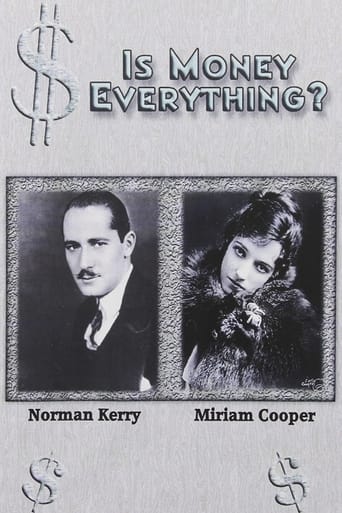
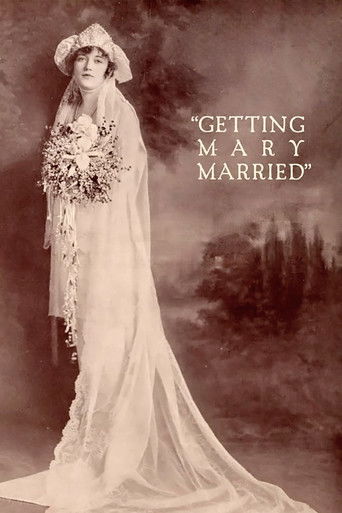
About Norman Kerry
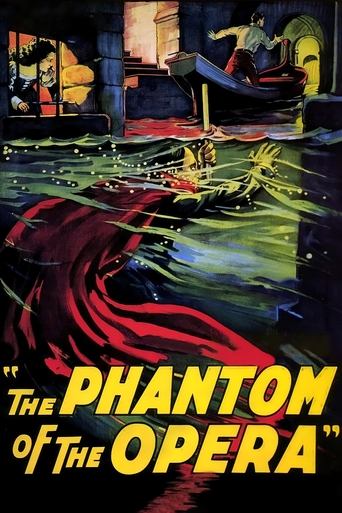
Norman Kerry, born Norman Hussey Kaiser, was a prominent American leading man of the silent film era who rose to stardom in the late 1910s and maintained his popularity throughout the 1920s. After serving in World War I, he returned to Hollywood and quickly established himself as a romantic lead, working with some of the era's biggest stars including Mary Pickford, Pola Negri, and Lon Chaney. His career peaked in the mid-1920s with memorable roles in films like 'The Merry Widow' (1925) opposite Mae Murray and 'The Phantom of the Opera' (1925) alongside Lon Chaney. Kerry was particularly known for his dashing good looks, athletic build, and sophisticated demeanor that made him ideal for romantic and adventure roles. Despite his success in silent films, his career faltered with the transition to sound, as his voice was not considered suitable for talkies. He made a few attempts at comeback roles in the early 1930s but eventually retired from acting. Kerry spent his later years working in real estate and died relatively forgotten in 1956, though his performances in classic silent films continue to be appreciated by cinema historians and enthusiasts.
The Craft
On Screen
Norman Kerry was known for his classic leading man style, characterized by his tall, athletic build and handsome features that made him ideal for romantic roles. His acting technique was typical of the silent era, emphasizing expressive facial features and body language to convey emotion. Kerry possessed a natural screen presence and charisma that translated well to the camera, particularly in romantic and adventure genres. He was particularly effective as the dashing hero opposite strong female leads, often playing aristocratic or military characters that suited his refined appearance. While not known for method acting or deep psychological portrayals, Kerry brought reliability and professionalism to his performances, making him a dependable leading man for major studios.
Milestones
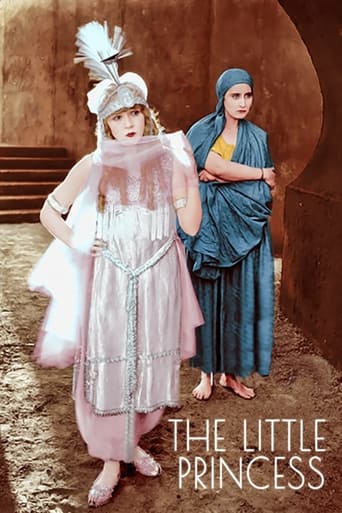
- Breakthrough role in 'A Little Princess' (1917) with Mary Pickford
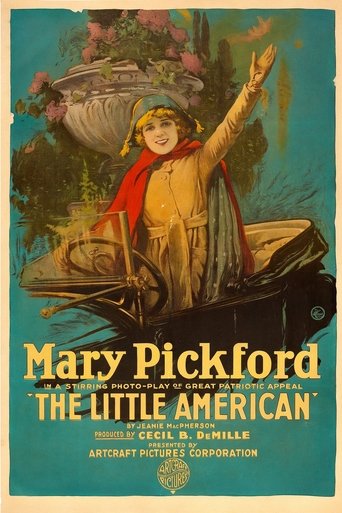
- Starred in 'The Little American' (1917) establishing himself as a leading man
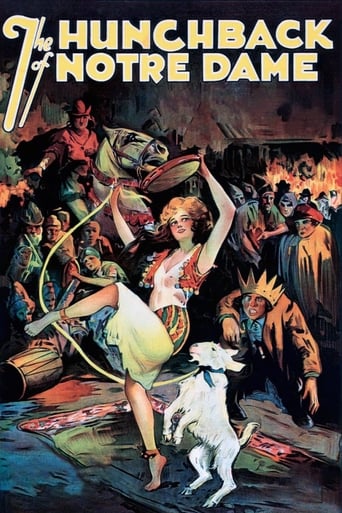
- Collaborated with Lon Chaney in 'The Hunchback of Notre Dame' (1923)
- Played the romantic lead in 'The Phantom of the Opera' (1925)
- Starred opposite Mae Murray in 'The Merry Widow' (1925)
- Served in World War I and returned to continue his film career
- Transitioned briefly to talkies but career declined
Best Known For
Iconic Roles
Must-See Films
Accolades
Special Recognition
- Hollywood Walk of Fame star (located at 6724 Hollywood Boulevard)
Working Relationships
Worked Often With
Studios
Why They Matter
Impact on Culture
Norman Kerry represents the archetype of the silent era leading man whose career was ultimately defined by the transition to sound. His performances in classic silent films like 'The Phantom of the Opera' and 'The Merry Widow' helped establish the template for romantic leading roles in Hollywood cinema. Kerry's work with legendary figures like Lon Chaney and Mary Pickford contributed to some of the most enduring films of the silent era, which continue to influence filmmakers and actors today. His career trajectory also illustrates the challenges faced by many silent film stars when the industry transitioned to sound, making his story representative of a significant turning point in film history. The preservation of his films has helped maintain appreciation for silent cinema aesthetics and acting techniques.
Lasting Legacy
Norman Kerry's legacy lies primarily in his contributions to some of the most iconic silent films of the 1920s. Though largely forgotten by mainstream audiences, his performances in 'The Phantom of the Opera' and 'The Hunchback of Notre Dame' alongside Lon Chaney remain significant examples of silent cinema craftsmanship. Film historians and silent film enthusiasts continue to appreciate Kerry's work as representative of the romantic leading man style that defined the era. His Hollywood Walk of Fame star ensures his name remains part of Hollywood's historical landscape. Kerry's career serves as an important case study in the impact of technological change on artistic careers in the film industry, particularly the transition from silent to sound films.
Who They Inspired
While Norman Kerry was not known for new acting techniques, his consistent performances as a romantic lead helped establish conventions for leading man roles in silent cinema. His work with major stars contributed to the development of the star system that dominated Hollywood for decades. The professional reliability and screen presence he demonstrated influenced subsequent generations of leading actors who sought to balance romantic appeal with technical competence. His career trajectory also served as a cautionary tale about the importance of adapting to industry changes, particularly technological innovations like the advent of sound film.
Off Screen
Norman Kerry married three times throughout his life. His first marriage was to actress Rita Stanwood in 1916, which ended in divorce. He later married actress Helene Costello in 1926, but this marriage also ended in divorce in 1927. His third marriage was to Catherine C. Kent in 1934, which lasted until his death. Kerry had no children from any of his marriages. During World War I, he served in the United States Army and was stationed in France, which interrupted his early film career but added to his heroic image upon his return to Hollywood. In his later years, after retiring from films, Kerry found success in real estate and lived a relatively quiet life away from the spotlight.
Education
Limited information available; attended local schools in Rochester, New York before pursuing acting career
Family
- Rita Stanwood (1916-1922)
- Helene Costello (1926-1927)
- Catherine C. Kent (1934-1956)
Did You Know?
- Changed his name from Norman Hussey Kaiser to Norman Kerry because his original name sounded too German during World War I
- Served as a pilot in the United States Army Air Service during World War I
- Was originally considered for the role of the Phantom in 'The Phantom of the Opera' before Lon Chaney was cast
- Was a skilled horseman and performed many of his own stunts in western and adventure films
- At 6'2", he was taller than most leading men of his era, which helped him stand out in crowd scenes
- His marriage to Helene Costello was highly publicized and ended in a contentious divorce
- Made a brief comeback attempt in 1932 with a small role in 'The Mask of Fu Manchu' but received no credit
- Was good friends with fellow silent star John Gilbert and the two often socialized together
- His real estate business in later years was quite successful, making him financially comfortable
- Despite his German heritage, he often played French aristocrats in his films due to his refined appearance
In Their Own Words
I never thought of myself as a great actor, just a reliable leading man who showed up on time and knew my lines
The talkies ruined more careers than any scandal ever did
Working with Mary Pickford was like attending a master class in film acting every day
Silent films required more acting, not less - we had to say everything without words
Frequently Asked Questions
Who was Norman Kerry?
Prominent American silent film with credits in this catalog. He starred opposite major stars like Mary Pickford, Lon Chaney, and Mae Murray in films such as 'The Phantom of the Opera' and 'The Merry Widow'. His career declined with the advent of sound films due to his voice not being suitable for talkies.
What films is Norman Kerry best known for?
Titles linked here include The Phantom of the Opera (1925), The Merry Widow (1925).
When was Norman Kerry born and when did he die?
Born June 16, 1894; died January 12, 1956.
What awards did Norman Kerry win?
Norman Kerry did not receive any major film awards during his career, as the Academy Awards were not established until 1929, near the end of his active period. However, he was honored with a star on the Hollywood Walk of Fame located at 6724 Hollywood Boulevard for his contributions to film.
What was Norman Kerry's acting style?
Norman Kerry's acting style was typical of silent era leading men, emphasizing expressive facial features and body language to convey emotion. He was known for his natural screen presence, handsome appearance, and reliability in romantic and adventure roles. His style was more traditional than experimental, focusing on clear emotional storytelling suitable for the silent medium.
Why did Norman Kerry's career end?
Norman Kerry's career declined primarily due to the transition from silent films to talkies in the late 1920s. His voice was not considered suitable for sound films, and he struggled to adapt to the new medium. After a few unsuccessful attempts at talkie roles, he retired from acting and found success in real estate.
Was Norman Kerry married?
Yes, Norman Kerry was married three times. His first marriage was to Rita Stanwood (1916-1922), followed by actress Helene Costello (1926-1927), and finally to Catherine C. Kent (1934 until his death in 1956). He had no children from any of his marriages.