
A Little Princess
"This version is notable for having been adapted by famed screenwriter Frances Marion"
Keys: Space play/pause · ←/→ 10s · F fullscreen · M mute · </> speed
About this film
This version is notable for having been adapted by famed screenwriter Frances Marion.
Cast & crew
More films like this
More Drama films
View all →







More from Marshall Neilan
View all →
More about this film
About the production
Release dateNovember 19, 1917
Box officeVery successful - Pickford films were consistently profitable, with this being one of her major hits of 1917
ProductionFamous Players Film Company, Artcraft Pictures Corporation
Filmed inLos Angeles, California, Famous Players Studio
Mary Pickford took great personal interest in this adaptation, as she identified strongly with the character of Sara. The film was among the costliest productions of 1917, featuring elaborate sets including a detailed recreation of a London boarding school. Pickford's performance required her to play both the wealthy young girl and the downtrodden servant, showcasing her remarkable range as an actress.
Themes
Childhood innocenceSocial class and inequalityPerseverance through hardshipThe power of imaginationKindness versus cruelty
Themes & topics
orphanboarding schooltransformationpoverty to wealthcruel headmistressimaginationperseverancefather-daughter relationshipVictorian erasocial class
Historical background
A Little Princess (1917) circulated in the silent era. This version is notable for having been adapted by famed screenwriter Frances Marion. Contemporary trade papers and later preservation notes document its place among nickelodeon and cinema-club programs.
Why this film matters
A Little Princess remains accessible to researchers and viewers as a screen title in museum, archive, and streaming collections. Programmers cite it when tracing regional production history and surviving early prints.
Making of
The production of 'A Little Princess' was a major undertaking for 1917, with Mary Pickford exercising unprecedented creative control. She personally selected Marshall Neilan to direct, having worked with him successfully on previous films. The casting process was meticulous, with Pickford insisting on Norman Kerry for the role of Captain Crewe due to his aristocratic appearance. The boarding school set was among the leading detailed interiors constructed in Hollywood up to that time, featuring multiple rooms and a grand staircase. Pickford, known for her perfectionism, rehearsed scenes extensively and often demanded multiple takes to achieve the emotional authenticity she wanted. The transformation scenes where Sara goes from wealthy to impoverished required hours of makeup and costume changes each day. The film's emotional climax, where Sara is reunited with her father's friend, was shot over two days to capture the perfect emotional intensity.
What critics said
Day-one reviews for A Little Princess are sparse in digitized press archives; later criticism treats it as a reference point for 1917 cinema programming and preservation.
Did you know?
- This was Mary Pickford's first film after forming her own production company, Mary Pickford Film Corporation, in partnership with Famous Players
- The film was so successful that it helped establish Pickford as the highest-paid actress in Hollywood, earning $10,000 per week
- Pickford was 25 years old when she played the child character Sara Crewe, demonstrating her famous ability to convincingly portray young girls
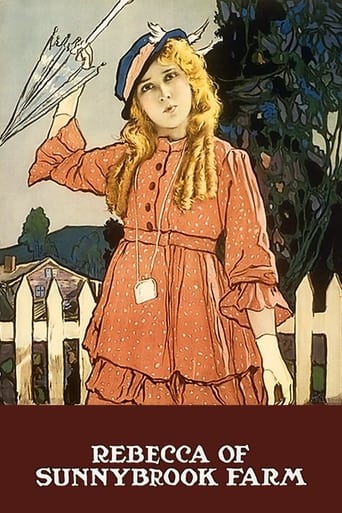
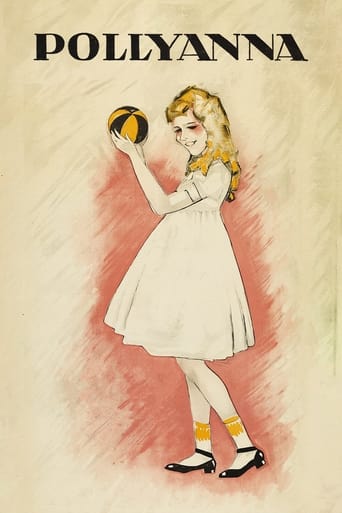
- The film's success led to Pickford adapting more children's literature, including 'Rebecca of Sunnybrook Farm' (1917) and 'Pollyanna' (1920)
- Original prints of the film were tinted in various colors to enhance the emotional impact of different scenes
- This was one of the first films to use intertitles extensively to convey dialogue and narrative progression
- The film's sets were so elaborate that they were reused in several other productions at the Famous Players studio
- Pickford insisted on having real children in the classroom scenes rather than using adult actors
- The film's success helped establish the practice of adapting classic children's literature for the screen
- A complete 35mm print of the film exists in the Library of Congress collection
Visual style
The cinematography by Walter Stradling and Charles Rosher was considered groundbreaking for its time. The film employed sophisticated lighting techniques to create dramatic contrasts between Sara's wealthy and impoverished states. The boarding school scenes used soft, diffused lighting to create a dreamlike quality, while the servant quarters were shot with harsher, more dramatic lighting. The film also made innovative use of close-ups, particularly for Pickford's emotional reactions, which was still a relatively new technique in 1917. The cinematography helped establish the emotional tone of each scene and contributed significantly to the film's narrative power.
Innovations
The film was notable for its sophisticated use of editing techniques, including cross-cutting between parallel storylines to build suspense. The makeup and costume effects used to show Sara's transformation from wealthy to impoverished were particularly advanced for the period. The film also employed innovative set design techniques, including forced perspective to make the boarding school appear larger and more imposing. The production used multiple cameras for some scenes, which was still uncommon in 1917, allowing for more dynamic coverage of important moments.
Music
As a silent film, 'A Little Princess' had no recorded soundtrack but was accompanied by live musical performances in theaters. The original cue sheet suggested classical pieces including works by Chopin and Beethoven for emotional scenes. The music was typically performed by a theater organist or small orchestra, with different themes for Sara, Miss Minchin, and various emotional moments. The score was designed to enhance the film's emotional impact, with lighter, more playful music during Sara's wealthy scenes and more somber, dramatic music during her hardship.
Famous quotes
Sara: 'I am a princess. All girls are. Even if they live in tiny old attics. Even if they dress in rags, even if they aren't pretty, or smart, or young. They're still princesses.'
Miss Minchin: 'You will learn your place, young lady!'
Memorable scenes
- The transformation scene where Sara's fine clothes are replaced with rags and she's forced to become a servant
- The attic scene where Sara shares her meager food with the other servant girl Becky despite her own hunger
- The emotional climax where Sara is discovered by her father's friend and her fortune is restored
What audiences thought
The film was a massive commercial success, playing to packed theaters across the United States for months. Audiences were particularly moved by Pickford's emotional performance and the film's themes of perseverance and hope. The film's success was such that it was re-released several times in subsequent years, unusual for a film of this era. Contemporary audience reports indicate that many viewers were moved to tears during the film's emotional scenes, particularly when Sara is reduced to servitude and when she is finally reunited with her father's friend. The film's popularity helped establish Pickford as the most bankable star in Hollywood.
Film connections
Influenced by
- Frances Hodgson Burnett's 1905 novel 'A Little Princess'
- Victorian children's literature conventions
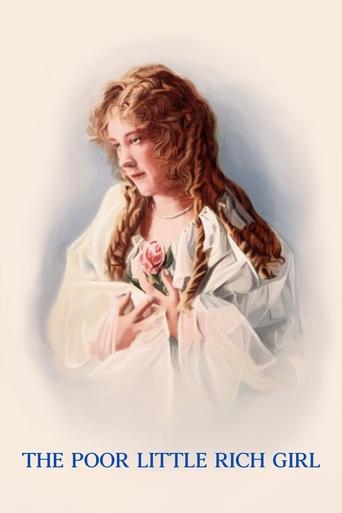
- Pickford's previous successful roles in 'Poor Little Rich Girl' (1917) and 'Rebecca of Sunnybrook Farm' (1917)
This film influenced
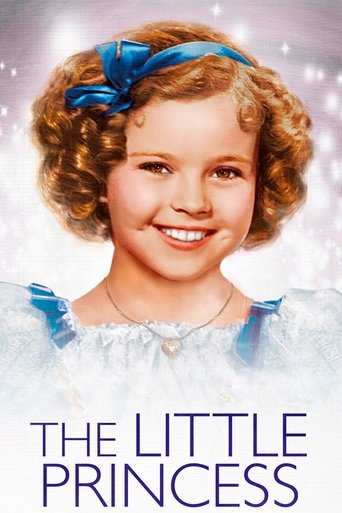
- The 1939 Shirley Temple version of 'A Little Princess'
- Various orphan and boarding school films of the 1930s-1950s
- Pickford's later literary adaptations including 'Pollyanna' (1920)
Film restoration
The film is preserved in its complete form in the Library of Congress and the Museum of Modern Art. A 35mm nitrate print was restored in the 1990s and has been shown at various film festivals. The film is considered to be in good condition for a film of its age, though some scenes show signs of nitrate deterioration. Color-tinted versions from the original release also exist in archival collections.
Where to watch
- The film is available on DVD from various classic film distributors
- Streaming on The Criterion Channel
- Available for viewing on YouTube through authorized archives
- Screenings occasionally occur at film museums and classic film festivals
- Accessible through university film libraries and archives