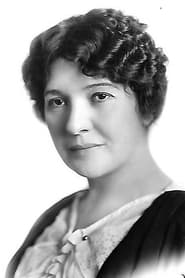
Anne Schaefer
Actor
Born: July 10, 1870 in St. Louis, Missouri, USA Died: May 3, 1957 Active: 1911-1938
Films
4 films
About Anne Schaefer
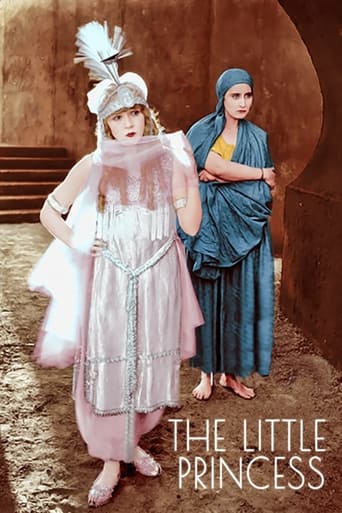
Prolific American character actress who enjoyed a remarkable career spanning nearly three decades in early Hollywood cinema. Beginning her film career in 1911 during the silent era's formative years, she quickly established herself as a reliable supporting player, often cast in maternal or matriarchal roles due to her mature presence and expressive face. Her performance in the acclaimed 1917 adaptation of 'A Little Princess' starring Mary Pickford showcased her ability to convey deep emotion through the subtle techniques required by silent film acting. Throughout her career, she appeared in over 150 films, working with virtually every major studio and collaborating with directors and stars of the era. Schaefer successfully transitioned into the early sound era, though her roles became less frequent as the industry evolved. Her final film appearances came in the late 1930s, after which she retired from acting, leaving behind a legacy as one of Hollywood's most dependable character actresses during cinema's foundational decades.
The Craft
On Screen
Anne Schaefer was known for her naturalistic yet emotionally resonant performances in the silent era, utilizing subtle facial expressions and body language to convey complex emotions. Her acting style was characterized by a gentle warmth and authenticity that made her particularly effective in maternal roles. Unlike many silent film actors who relied on exaggerated gestures, Schaefer employed a more restrained approach that anticipated the naturalistic style that would become standard in later cinema. Her ability to convey deep feeling through minimal movement made her particularly valuable in ensemble pieces where she could provide emotional grounding.
Milestones
- Appeared in over 150 films during her 27-year career
- Featured in Mary Pickford's 'A Little Princess' (1917)
- Successfully transitioned from silent films to early talkies
- Worked with major studios including Paramount, Universal, and Fox
- Established herself as one of Hollywood's most reliable supporting actresses
Best Known For
Iconic Roles
Must-See Films
Working Relationships
Worked Often With
Studios
Why They Matter
Impact on Culture
Anne Schaefer contributed significantly to the development of character acting in early cinema, helping establish the importance of supporting performances in film storytelling. Her consistent presence in major productions of the 1910s and 1920s made her a familiar face to movie audiences during cinema's formative years. By embodying maternal figures with authenticity and warmth, she helped shape audience expectations for female character archetypes in American cinema. Her successful transition into sound films demonstrated the adaptability required for longevity in the rapidly evolving film industry.
Lasting Legacy
Anne Schaefer's legacy lies in her extensive body of work that documents the evolution of American cinema from its silent beginnings through the early sound era. As a character actress who appeared in over 150 films, she represents the countless reliable performers who formed the backbone of Hollywood's golden age. Her performances in films starring icons like Mary Pickford provide valuable examples of the ensemble acting techniques that defined classic Hollywood cinema. Film historians and preservationists continue to recognize her contributions to early American film history.
Who They Inspired
Anne Schaefer influenced subsequent generations of character actresses through her demonstration of how supporting roles could be performed with depth and authenticity. Her naturalistic acting style in the silent era helped pave the way for more subtle performance techniques that would become standard in later decades. Younger actresses studying early cinema often look to her work as an example of effective silent film acting without excessive melodrama. Her career longevity provided a model for how character actors could maintain relevance through the industry's major technological transitions.
Off Screen
Anne Schaefer maintained a relatively private personal life despite her extensive film career. She was known among her colleagues as a dedicated professional who rarely engaged in the Hollywood social scene. Her longevity in the industry during its most turbulent early years suggested a strong personal character and adaptability. She never married and had no children, focusing entirely on her craft during her active years in Hollywood.
Did You Know?
- Appeared in more films than many leading stars of her era despite never achieving top billing
- Was one of the few actresses from the 1910s who successfully continued working into the sound era
- Often played characters much older than her actual age, demonstrating remarkable range
- Worked with Mary Pickford in multiple films during Pickford's most successful period
- Her final film appearances came when she was nearly 70 years old
- Never received screen credit in many of her early films, as was common for supporting actors
- Survived the major industry transition from silent films to talkies when many contemporaries did not
- Was part of the stock company of actors that major studios relied upon for consistent quality
- Her filmography includes many lost films from the silent era, making her complete body of work impossible to fully assess
- Retired from acting before the major studio system changes of the 1940s
Frequently Asked Questions
Who was Anne Schaefer?
Screen credits include over 150 films during the silent era and early sound period, best known for her maternal roles in classic films like 'A Little Princess' (1917). She worked as a reliable supporting player for nearly three decades, often appearing alongside major stars of the era.
What films is Anne Schaefer best known for?
Titles linked here include A Little Princess (1917), Rebecca of Sunnybrook Farm (1917).
When was Anne Schaefer born and when did she die?
Born July 10, 1870; died May 3, 1957.
What awards did Anne Schaefer win?
Anne Schaefer did not receive any major awards or formal recognition during her career, which was common for character actresses of her era. Her contributions to cinema are recognized through her extensive filmography and the preservation of her performances in classic silent films.
What was Anne Schaefer's acting style?
Anne Schaefer was known for her naturalistic and emotionally resonant performances in silent films, using subtle facial expressions and restrained body language rather than the exaggerated gestures common in the era. Her style was characterized by warmth and authenticity, making her particularly effective in maternal and supporting roles.
How long was Anne Schaefer's career?
Anne Schaefer enjoyed a remarkably long career spanning 27 years from 1911 to 1938, appearing in over 150 films. She successfully transitioned from silent films to early talkies, demonstrating the adaptability that allowed her to remain active through major changes in the film industry.
Did Anne Schaefer work with any famous stars?
Yes, Anne Schaefer worked with many of the biggest stars of the silent era, most notably Mary Pickford in films like 'A Little Princess' and 'Rebecca of Sunnybrook Farm.' She also collaborated with other prominent figures including Marshall Neilan and appeared in productions by major studios like Paramount and Fox.