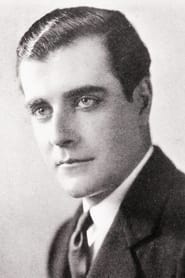
W.E. Lawrence
Actor
Born: August 16, 1896 in Brooklyn, New York, USA Died: November 30, 1947 Active: 1915-1947 Birth Name: William Edward Lawrence
Films
6 films
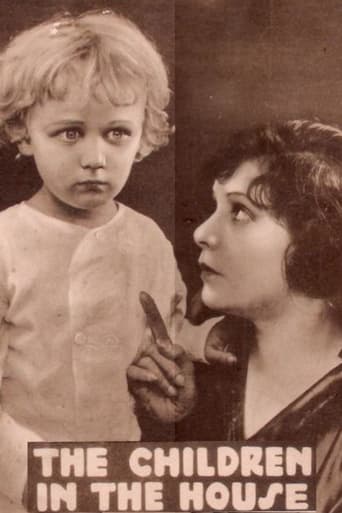
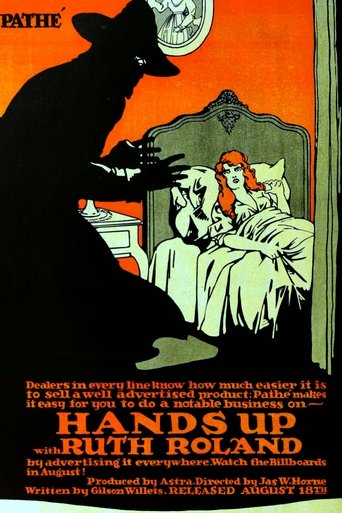
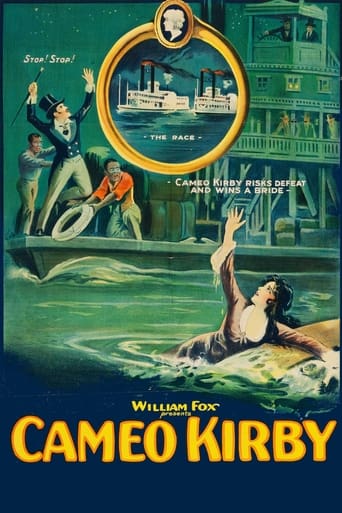
About W.E. Lawrence
William Edward Lawrence, known professionally as W.E. Lawrence, was a prolific American actor during the silent film era who appeared in over 200 films between 1915 and 1947. Born in Brooklyn, New York, he began his career as an extra at Universal Pictures before gradually working his way up to more substantial roles. Lawrence became known for his versatility, playing everything from romantic leads to villains and comic relief characters. He frequently appeared alongside major stars of the era, including Mary Pickford, Douglas Fairbanks, and Rudolph Valentino. Despite his extensive filmography, Lawrence primarily worked in supporting roles and never achieved leading man status, though he was a recognizable face to silent film audiences. His career successfully transitioned into sound films, though his roles became smaller and less frequent. Lawrence continued acting through the 1930s and 1940s, often uncredited, until his death in 1947 at the age of 51.
The Craft
On Screen
W.E. Lawrence was known for his naturalistic acting style that adapted well to both dramatic and comedic roles. His performances were characterized by expressive facial features and physical presence that translated well in silent cinema. Lawrence had a particular talent for conveying emotion through subtle gestures and expressions, making him effective in both romantic and villainous roles. His ability to seamlessly shift between genres made him a valuable supporting player in numerous productions.
Milestones
- Film debut as extra in 1915
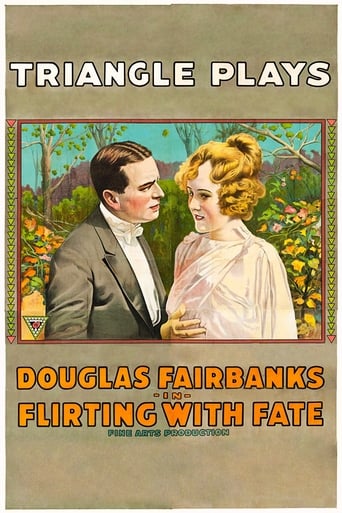
- Breakthrough role in Flirting with Fate (1916)
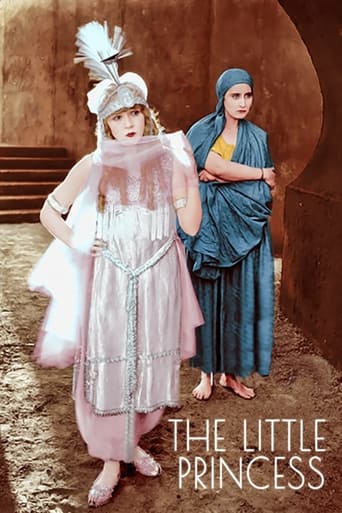
- Supporting role in Mary Pickford's A Little Princess (1917)
- Appearance in Douglas Fairbanks' Robin Hood (1922)
- Role in Cecil B. DeMille's The Ten Commandments (1923)
- Successful transition to sound films in late 1920s
- Over 200 film appearances throughout career
Best Known For
Iconic Roles
Must-See Films
Working Relationships
Worked Often With
Studios
Why They Matter
Impact on Culture
W.E. Lawrence represents the quintessential character actor of the silent era, whose extensive body of work contributed to the richness of early Hollywood cinema despite never achieving stardom. His performances in major productions of the 1910s and 1920s helped establish the template for supporting roles in American cinema. Lawrence's ability to adapt to the transition from silent to sound films demonstrated the versatility required of actors during this transformative period in film history. His work alongside the biggest stars of the era, while often uncredited, provided essential support to the narratives that defined classic Hollywood cinema.
Lasting Legacy
W.E. Lawrence's legacy lies in his contribution to over 200 films during Hollywood's formative decades, serving as proof of the importance of character actors in building the foundation of American cinema. While not a household name, film historians recognize him as representative of the working actors who formed the backbone of the studio system. His performances survive as part of some of the most significant films of the silent era, providing insight into the acting techniques and storytelling methods of early Hollywood. Lawrence's career trajectory from extra to reliable supporting player illustrates the path available to ambitious actors during the golden age of studio filmmaking.
Who They Inspired
While W.E. Lawrence did not directly mentor other famous actors, his consistent professional work ethic and adaptability during the transition to sound films served as a model for other character actors of his era. His ability to work across genres and with various directors demonstrated the flexibility required for longevity in Hollywood's studio system. Contemporary character actors studying silent film techniques can learn from Lawrence's expressive style and his ability to convey emotion effectively within the constraints of silent cinema.
Off Screen
W.E. Lawrence married actress Lillian Lawrence in 1920, and they remained together until his death in 1947. The couple had no children. Lawrence was known as a private individual who avoided the Hollywood social scene, preferring to focus on his craft. Despite his extensive career, he maintained a relatively low public profile and rarely gave interviews. His death from a heart attack at age 51 was largely unreported in major newspapers, reflecting his status as a character actor rather than a major star.
Education
Limited formal education; primarily self-taught in acting through experience in the film industry
Family
- Lillian Lawrence (1920-1947)
Did You Know?
- Appeared in over 200 films during his 32-year career
- Often worked without on-screen billing in his later career
- Was a skilled horseman, which led to many roles in westerns and adventure films
- Survived the transition from silent to sound films better than many of his contemporaries
- His wife Lillian Lawrence was also an actress, though she retired from films after their marriage
- Worked with virtually every major star of the silent era
- Was particularly sought after by director Cecil B. DeMille for his epic productions
- His death coincided with the decline of the studio system he had worked within his entire career
- Despite his extensive filmography, no photographs of him appear to survive from his early career
- His final film appearance was in an uncredited role in 'The Unfinished Dance' (1947)
In Their Own Words
I've never been a star, but I've always been employed. That's more than many can say in this business.
In silent pictures, your eyes had to do the talking. In talkies, you have to learn when to shut up.
Frequently Asked Questions
Who was W.E. Lawrence?
Prolific American character with credits in this catalog. He worked alongside major stars like Mary Pickford and Douglas Fairbanks, primarily in supporting roles, and successfully transitioned from silent to sound films.
What films is W.E. Lawrence best known for?
Titles linked here include Flirting with Fate (1916), A Little Princess (1917).
When was W.E. Lawrence born and when did he die?
Born August 16, 1896; died November 30, 1947.
What awards did W.E. Lawrence win?
W.E. Lawrence did not receive any major awards or nominations during his career, which was typical for character actors of his era. His recognition came through consistent employment and respect from his colleagues in the film industry.
What was W.E. Lawrence's acting style?
Lawrence was known for his naturalistic and versatile acting style, with strong expressive features that worked well in silent cinema. He could effectively portray both dramatic and comedic roles, using subtle gestures and facial expressions to convey emotion, which made him adaptable to various genres and character types.