The Reckless Age
"The Reckless Age (1924)"
Keys: Space play/pause · ←/→ 10s · F fullscreen · M mute · </> speed
About this film
Lord Harrowby takes out an $100,000 insurance policy to be paid if his wedding to Cecilia Meyrick is cancelled. The insurance company sends Dick Minot to make sure the wedding takes place, but he falls in love with the bride.
Cast & crew
More films like this


More Comedy films
View all →






More from Harry A. Pollard
View all →
More about this film
About the production
Release dateMarch 24, 1924
Box officeUnknown
ProductionUniversal Pictures
Filmed inUniversal Studios, Universal City, California
The film was produced during the peak of the silent era when Universal Pictures was expanding its roster of romantic comedies. Director Harry A. Pollard was known for his ability to blend comedy with dramatic elements, making him an ideal choice for this hybrid genre film. The production utilized Universal's extensive backlot facilities, including their European village sets which stood in for the British aristocratic settings.
Themes
Love vs. DutyModern RomanceSocial ClassBusiness EthicsMarriage and Commitment
Themes & topics
insuranceweddinglove trianglearistocracyinvestigationromantic comedysilent film1920sbusinessmoral dilemma
Historical background
Contemporary records classify The Reckless Age (1924) as 1924 film by harry a. pollard, placing it within late silent cinema and the transition toward sound.
Why this film matters
The Reckless Age (1924) helps trace genre evolution, performer careers, and the material conditions of silent exhibition.
Making of
The production of 'The Reckless Age' took place during Universal Pictures' expansion under Carl Laemmle's leadership. Director Harry A. Pollard worked closely with his wife Ruth Dwyer, who starred in the film, creating a comfortable on-set atmosphere. The film's unique premise required careful handling to balance the comedic elements with the romantic storyline. Pollard, known for his meticulous direction, spent considerable time rehearsing scenes to ensure the timing was perfect for the silent era's visual storytelling. The production design team created elaborate sets to represent British aristocratic life, utilizing Universal's extensive collection of props and set pieces. The film's intertitles were written by experienced title writers who specialized in conveying dialogue and narrative efficiently in the silent format.
What critics said
Where contemporary reviews survive, The Reckless Age is discussed in terms of audience appeal at release; later criticism often reframes it through archive restoration and festival programming.
Did you know?
- The film's premise of insuring a wedding was considered quite novel and unusual for 1924, reflecting the growing sophistication of insurance concepts in American society.
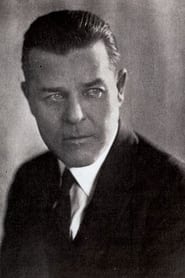
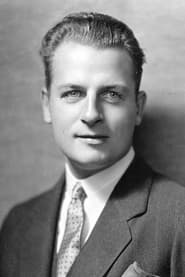
- Reginald Denny, who plays Dick Minot, was a former WWI pilot and became one of Universal's most reliable leading men during the 1920s.
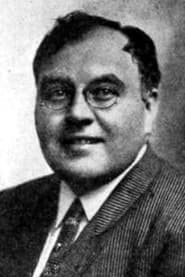
- Director Harry A. Pollard would later direct the 1936 version of 'Show Boat,' among the leading prestigious film musicals of the 1930s.
- The film was released during the transition period when Hollywood was moving from short features to feature-length productions.
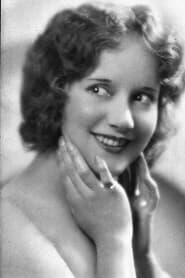
- Ruth Dwyer, who plays Cecilia Meyrick, was married to director Harry A. Pollard at the time this film was made.
- John Steppling, who portrays Lord Harrowby, was a character actor who appeared in over 200 films between 1912 and 1931.
- The film's title 'The Reckless Age' refers to the Jazz Era of the 1920s, when social norms were rapidly changing.
- Universal Pictures promoted this film as 'A sophisticated comedy of modern manners and modern morals.'
- The original story was adapted from a magazine serial that had been popular in the early 1920s.
- The film featured one of the earliest cinematic depictions of an insurance investigator as a protagonist.
Visual style
The cinematography by Virgil Miller employed the sophisticated techniques becoming standard in 1924. The film utilized soft focus lighting for romantic scenes and sharper focus for the business-oriented sequences. Camera movement was relatively static, as was typical of the period, but Miller employed careful composition to enhance the storytelling. The aristocratic settings were captured with elegant framing, using architectural elements to create depth and visual interest. The film made effective use of close-ups to convey the emotional states of the characters, particularly during key romantic moments. The lighting design helped distinguish between the different social worlds depicted in the story, with warmer tones for romantic scenes and cooler tones for business sequences.
Innovations
While The Reckless Age was not a groundbreaking film technically, it demonstrated the refinement of filmmaking techniques that had developed by 1924. The film made effective use of intertitles to convey dialogue and exposition, with the title cards designed to complement the visual style. The production design showed the increasing sophistication of set construction, with detailed interiors that suggested authentic British aristocratic settings. The film's editing maintained good pacing throughout its 70-minute runtime, keeping the story moving smoothly between comedic and dramatic moments. The makeup and costume design accurately reflected 1920s fashion while also suggesting the timeless elegance of the aristocratic characters.
Music
As a silent film, The Reckless Age would have been accompanied by live musical performance during its theatrical run. The score would have been compiled from standard photoplay music libraries, with selections chosen to match the mood of each scene. Romantic moments would have featured lush, melodic pieces, while comedic scenes would have used lighter, more playful compositions. The theater organist or small orchestra would have synchronized the music with the on-screen action, heightening the emotional impact. No original composed score was created specifically for this film, which was common practice for most productions of this period outside of major prestige pictures.
Famous quotes
A hundred thousand dollars is a lot of money to bet on a wedding!" - Dick Minot
Some policies are more dangerous than others." - Opening intertitle
When business meets pleasure, someone always loses." - Lord Harrowby
Memorable scenes
- The scene where Dick Minot first meets Cecilia Meyrick and immediately realizes the complication of his assignment
- The climactic sequence where Dick must choose between his professional duty and his love for Cecilia
- The comedic moment when Lord Harrowby attempts to explain his unusual insurance policy
What audiences thought
The Reckless Age performed moderately well at the box office, particularly in urban areas where audiences appreciated its sophisticated humor. The film appealed to young adults who were embracing the more liberal social attitudes of the Jazz Age. Moviegoers enjoyed the film's mix of romance and light comedy, finding it a pleasant entertainment experience. The chemistry between Reginald Denny and Ruth Dwyer was particularly noted by audiences, with many considering them a believable romantic pairing. While the film didn't achieve blockbuster status, it developed a following among fans of romantic comedies and helped establish Reginald Denny as a reliable leading man. The film's unusual premise about wedding insurance generated discussion and word-of-mouth publicity.
Film connections
Influenced by
- The influence of drawing-room comedies
- Early Hollywood romantic comedies
- British literary traditions of manners and marriage
This film influenced
- Later screwball comedies of the 1930s
- Romantic comedies featuring business professionals
- Films about insurance investigators
Film restoration
The preservation status of The Reckless Age is uncertain. Many Universal films from this period have been lost due to the 1924 studio fire and the general deterioration of nitrate film stock. No complete version of the film is known to exist in major film archives, though fragments or copies may exist in private collections. The film is considered possibly lost, a fate shared by approximately 75% of silent films. If any copies do exist, they would likely be in need of restoration due to the age and fragility of the film stock.
Where to watch
- Currently unavailable for viewing due to preservation status
- May exist in private film collector archives
- Possible fragments in film museum collections
- No known digital or home video releases