
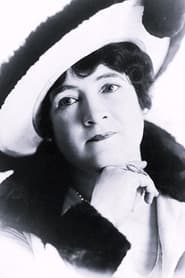
May Wallace
Actor
Born: August 18, 1877 in Indianapolis, Indiana, USA Died: December 11, 1938 Active: 1914-1927
Films
4 films


About May Wallace
American actress who worked primarily during the silent film era, appearing in numerous comedies and dramatic roles between 1914 and the late 1920s. She began her career in the early 1910s and quickly became a familiar face in Hollywood, often playing supporting roles in popular comedies of the day. Wallace worked with many of the era's biggest stars, including appearances in Charlie Chaplin films and Harold Lloyd comedies. Her the transition from short films to feature-length productions, though like many silent era actors, her opportunities diminished with the advent of sound. She was particularly known for her versatility in playing both comic and dramatic supporting roles, often as mothers, landladies, or other character parts. Her final film appearances were in the late 1920s as the industry underwent massive technological changes. While she never achieved leading lady status, she was a reliable and respected character actress who contributed to dozens of films during Hollywood's formative years.
The Craft
On Screen
May Wallace was known for her expressive face and natural comic timing, essential skills for silent film actors. She specialized in character roles that required both comedic and dramatic sensibilities, often playing matronly figures or comedic foils to the leading stars. Her acting style was typical of the silent era, emphasizing physical comedy and exaggerated facial expressions to convey emotion without dialogue. She had a particular talent for playing exasperated mothers, nosy neighbors, and flustered landladies, bringing warmth and humor to these stock characters.
Milestones
- Appeared in Charlie Chaplin's 'His Prehistoric Past' (1914)
- Regular supporting actress in Hal Roach comedies
- Worked with Harold Lloyd in multiple films
- Transitioned successfully from shorts to feature films
- Appeared in over 60 films during her career
Best Known For
Iconic Roles
Must-See Films
Working Relationships
Worked Often With
Studios
Why They Matter
Impact on Culture
May Wallace represents the important but often overlooked contributions of character actresses during Hollywood's silent era. As a reliable supporting player, she helped establish the template for comic supporting roles that would continue throughout film history. Her work in early comedy classics contributed to the development of American film comedy, working alongside pioneers who were defining the language of cinema. Wallace's career trajectory also illustrates the challenges faced by many silent era actors when the industry transitioned to sound, a period that saw numerous careers end despite years of valuable contributions to the art form.
Lasting Legacy
May Wallace's legacy lies in her substantial body of work that helped shape early American comedy cinema. While not a household name like the stars she supported, her performances in dozens of silent films provide valuable documentation of early film acting techniques and comedy styles. Film historians and silent cinema enthusiasts recognize her as a representative of the talented ensemble actors who were essential to the success of early Hollywood productions. Her films continue to be studied and appreciated by those interested in the development of American cinema, particularly the evolution of film comedy.
Who They Inspired
As a character actress who worked with many of comedy's early pioneers, May Wallace influenced subsequent generations of supporting actors through her professional approach and versatile performances. Her work demonstrated the importance of strong supporting performances in ensemble comedies, a lesson that continues to be relevant in film and television. While she didn't mentor specific individuals who went on to greater fame, her consistent professionalism and adaptability during the rapid changes of early cinema set an example for actors in supporting roles.
Off Screen
May Wallace married fellow actor King Baggot, one of the early stars of American cinema, though the marriage eventually ended in divorce. She had two children with Baggot, continuing her family's connection to the entertainment industry. Despite being a public figure, Wallace maintained a relatively private personal life, focusing on her craft and family. Her later years were spent away from the film industry as the transition to sound pictures limited opportunities for many silent era actors.
Family
- King Baggot (1907-1926)
Did You Know?
- Appeared in Charlie Chaplin's 1914 short 'His Prehistoric Past', one of Chaplin's early Keystone films
- Worked extensively with Hal Roach Studios, appearing in numerous comedy shorts
- Was married to King Baggot, one of the first major American film stars and directors
- Her active years covered the entire silent era, from the early 1910s through the late 1920s
- Often played motherly roles despite being relatively young, as was common in early casting practices
- Appeared in both dramatic and comedic films, showcasing her versatility as a character actress
- Like many silent era actors, her career declined with the advent of sound pictures
- Her films provide valuable examples of early American comedy techniques and ensemble acting
- Worked with both major comedy stars of the era, Chaplin and Harold Lloyd
- Was part of the transition from one-reel shorts to feature-length films in the 1920s
Frequently Asked Questions
Who was May Wallace?
American actress who worked primarily during the silent film era from 1914 to 1927, appearing in numerous comedies and dramas as a reliable character actress. She worked with major stars like Charlie Chaplin and Harold Lloyd, often playing supporting roles such as mothers, landladies, and neighbors in comedy films.
What films is May Wallace best known for?
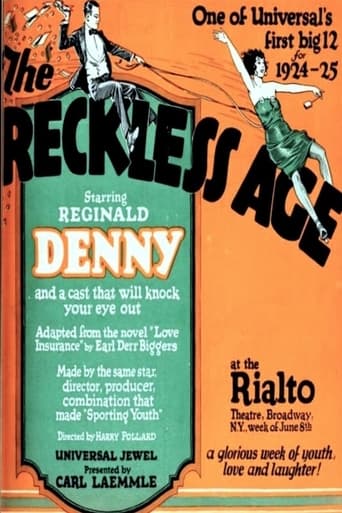
Titles linked here include His Prehistoric Past (1914), The Reckless Age (1924).
When was May Wallace born and when did she die?
Born August 18, 1877; died December 11, 1938.
What awards did May Wallace win?
May Wallace did not receive major formal awards during her career, which was common for supporting actors in the silent era. However, she was recognized through her consistent employment and the respect she earned from directors and fellow actors in the Hollywood community.
What was May Wallace's acting style?
May Wallace's acting style was typical of skilled silent film performers, emphasizing expressive facial expressions, physical comedy, and clear emotional communication without dialogue. She specialized in character roles that required both comedic timing and dramatic sensibilities, particularly excelling at playing matronly figures with warmth and humor.