
His Prehistoric Past
"Charlie dreams of Stone Age royalty and a stolen queen."
Keys: Space play/pause · ←/→ 10s · F fullscreen · M mute · </> speed
About this film
Set mostly in the Stone Age, a prehistoric king, with a harem of wives, rules a beach. Charlie arrives and falls for the king's favorite wife. In the end, it turns out to have been a dream; Charlie was asleep in the park.
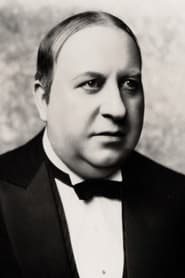
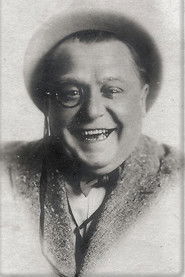
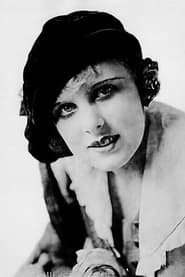
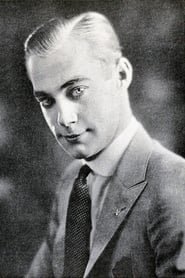
Cast & crew
More films like this


More Comedy films
View all →







More from Charlie Chaplin
View all →

More about this film
About the production
Release dateDecember 7, 1914
Box officeUnknown - Keystone films were highly profitable but individual short earnings were not tracked
ProductionKeystone Film Company, Mutual Film Corporation (distributor)
Filmed inKeystone Studios, Los Angeles, California, Various outdoor locations in the Los Angeles area
Filmed during Chaplin's prolific 1914 period at Keystone, where he was making multiple short films per month. The prehistoric setting allowed for minimal costumes and props, typical of Keystone's efficient production methods. The beach setting was likely filmed at a Southern California beach, taking advantage of the local landscape.
Themes
Dreams vs. RealityPower DynamicsCompetition for AffectionPrimitive vs. Civilized BehaviorThe Absurdity of Desire
Themes & topics
prehistoriccavemandream sequencebeachkingharemcomedyslapstickromantic rivalryStone Ageshort filmsilent film
Historical background
His Prehistoric Past (1914) survives in catalogs and archives as a record of the silent era.
Why this film matters
Scholars and collectors reference His Prehistoric Past when discussing how the silent era filmmakers addressed popular themes.
Making of
During production at Keystone Studios, Chaplin was already asserting more creative control despite being relatively new to the studio. The film was made during an incredibly productive period where Chaplin was directing and starring in dozens of shorts. Mack Swain, a burly comic actor, was perfect casting as the caveman king and had developed good chemistry with Chaplin through their previous collaborations. The prehistoric setting was likely chosen for its simplicity and visual comedy potential, requiring minimal props and allowing for broad physical humor. Keystone's production methods were notoriously fast, with scripts often being mere outlines and much of the comedy improvised during filming. The beach location filming presented challenges with tides and weather, but the Southern California climate generally cooperated for outdoor shooting.
What critics said
Where contemporary reviews survive, His Prehistoric Past is read against the tastes of 1914; revival screenings keep it in circulation.
Did you know?
- This was one of the last films Chaplin made for Keystone before moving to Essanay Studios in 1915
- The film showcases Chaplin's early experimentation with dream sequences, a device he would use more masterfully in later films
- Mack Swain, who plays the caveman king, was a regular Chaplin collaborator who later appeared in 'The Gold Rush' (1925)
- The prehistoric theme was popular in 1914 cinema, with several studios producing caveman comedies
- Gene Marsh, who plays the king's favorite wife, was a Keystone actress who appeared in numerous Chaplin shorts
- The film's title was originally 'His Prehistoric Past' but some promotional materials shortened it to 'Prehistoric Past'
- Chaplin's Tramp character appears briefly in the modern-day sequences, showing the character was already becoming established
- The film was shot in just a few days, typical of Keystone's rapid production schedule
- Physical comedy in the film includes early examples of what would become Chaplin's signature style
- The dream ending was considered somewhat innovative for comedy shorts of the period
Visual style
The cinematography was typical of Keystone productions in 1914, using static cameras with occasional pans to follow action. The outdoor beach scenes took advantage of natural lighting, while interior scenes used basic studio lighting setups. The visual style emphasized clarity for the physical comedy, with medium shots allowing full visibility of Chaplin's movements and expressions. The prehistoric setting allowed for interesting visual contrasts between the primitive costumes and the modern California locations. Camera work was functional rather than artistic, as was standard for comedy shorts of this period, focusing on capturing the action rather than creating visual poetry.
Innovations
While not technically innovative compared to some contemporaries experimenting with new techniques, the film demonstrated Keystone's efficient production methods and Chaplin's growing command of film language. The use of location shooting for the beach sequences was somewhat advanced for comedy shorts of the period. The dream sequence transition, though simple, showed early exploration of narrative film techniques beyond straightforward linear storytelling. The film's pacing and editing for comedic timing represent the refinement of comedy film techniques that were developing during this period.
Music
As a silent film, 'His Prehistoric Past' would have been accompanied by live musical performance during theatrical exhibition. Typical accompaniment would include a pianist or small orchestra playing popular songs of the era, classical pieces, and improvised music matching the on-screen action. The prehistoric setting likely inspired exotic or primitive-sounding musical selections. No original score was composed specifically for the film, as was standard practice for shorts of this period. Modern screenings often use contemporary scores or period-appropriate music to recreate the silent film experience.
Famous quotes
(Intertitle) In the days when the world was young
(Intertitle) The King was mighty - but Charlie was mighty lucky
(Intertitle) And then he woke up
Memorable scenes
- The opening sequence establishing the prehistoric setting with the caveman king and his harem on the beach
- Charlie's first encounter with the king's favorite wife and his immediate attraction
- The series of slapstick confrontations between Charlie and the caveman king
- The chaotic disruption of the primitive court by Charlie's presence
- The abrupt transition from prehistoric adventure to Charlie waking up on the park bench
What audiences thought
The film was well-received by contemporary audiences who were eagerly consuming Chaplin's every appearance. His popularity was growing exponentially in 1914, and each new short was anticipated by moviegoers. The prehistoric theme provided visual novelty that audiences enjoyed, and the dream ending was considered clever and amusing. The film's success contributed to Chaplin's growing reputation as one of cinema's first true stars. Modern audiences viewing the film through archives and releases generally appreciate it as historical cinema, enjoying the glimpse into early comedy and Chaplin's developing style.
Film connections
Influenced by
- Earlier Keystone comedies
- Mack Sennett's production style
- Music hall and vaudeville traditions
- Contemporary fascination with prehistoric life
- French and American slapstick traditions
This film influenced
- Later Chaplin films using dream sequences
- Other prehistoric comedy films of the 1910s-1920s
- Comedy shorts that used similar 'it was all a dream' endings
- Films exploring primitive vs. civilized themes
Film restoration
The film survives in complete form and has been preserved by various film archives. Prints exist in several collections, including the Library of Congress and the Museum of Modern Art. The film has been restored and included in various Chaplin collections and DVD releases. While some wear is visible in existing prints, the film is considered well-preserved for its age and remains accessible for study and viewing.
Where to watch
- The Criterion Collection/Janus Films Chaplin Keystone shorts collection
- Kino Lorber's Chaplin at Keystone DVD set
- Various streaming services specializing in classic cinema
- Film archive screenings and retrospectives
- Public domain versions available on some free streaming platforms
- Museum film programs and cinematheque screenings