
Ted Edwards
Actor
Born: 1888 in Philadelphia, Pennsylvania, USA Died: November 22, 1945 Active: 1914-1934
Films
15 films
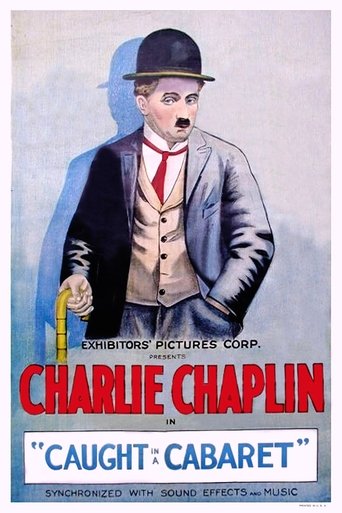
Caught in a Cabaret
1914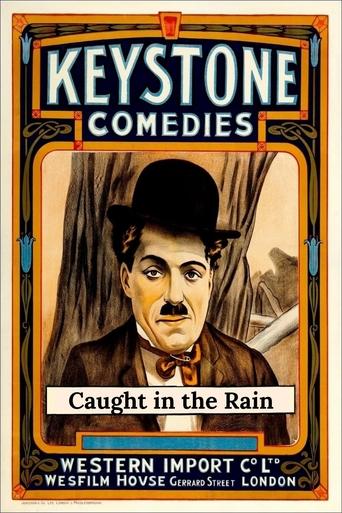
Caught in the Rain
1914
His Trysting Places
1914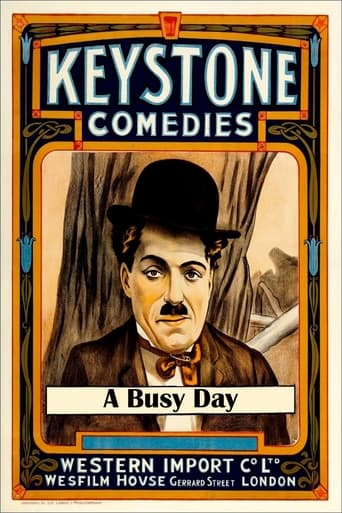
A Busy Day
1914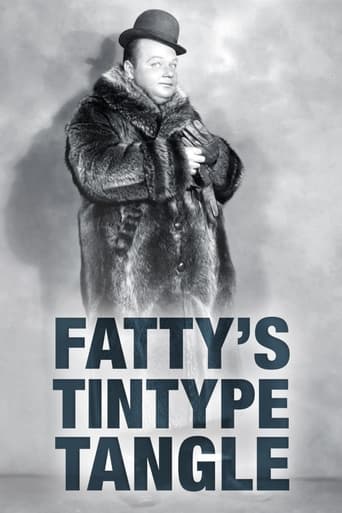
Fatty's Tintype Tangle
1915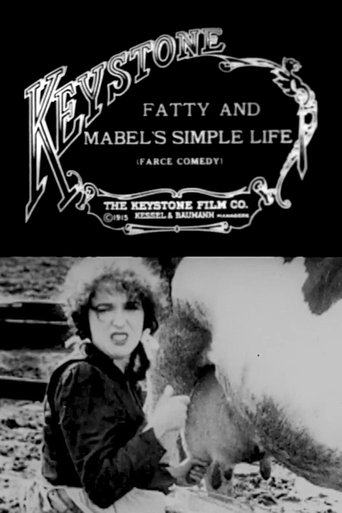
Fatty and Mabel’s Simple Life
1915
Maniac
1934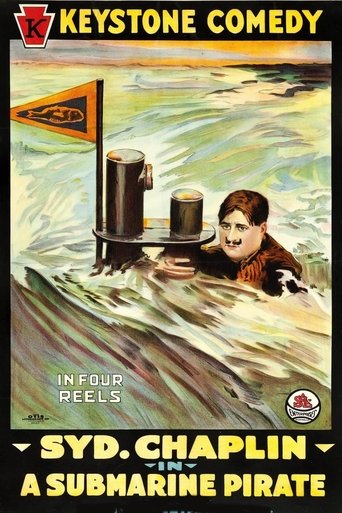
A Submarine Pirate
1915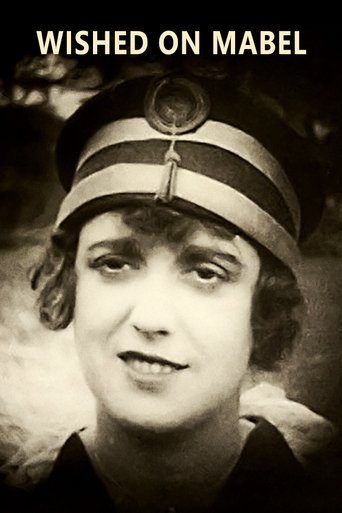
Wished on Mabel
1915
When Love Took Wings
1915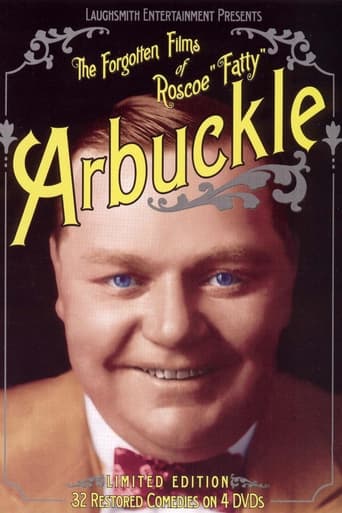
Fatty’s Chance Acquaintance
1915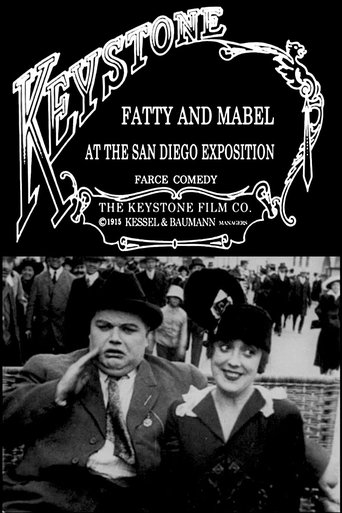
Fatty and Mabel at the San Diego Exposition
1915 Fatty’s Reckless Fling
1915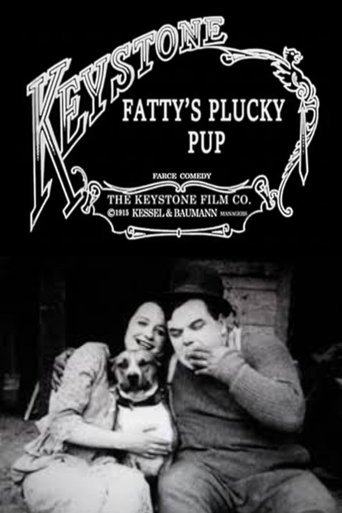
Fatty’s Plucky Pup
1915About Ted Edwards
Character actor during the silent film era, primarily active with Keystone Studios in 1914. Ted appears in several of Charlie Chaplin's earliest films, often playing background characters or minor supporting roles in the chaotic comedy shorts that defined Keystone's style. Edwards was part of the ensemble cast that populated Chaplin's formative works, contributing to the slapstick mayhem that made these films popular. His career, while brief, intersected with a crucial period in cinema history when Chaplin was developing his Tramp character. Edwards worked alongside other Keystone regulars like Mabel Normand, Mack Sennett, and Chester Conklin. After his stint with Keystone, he continued to appear in films throughout the silent era, though never achieving star status. His final known film appearances were in the early 1930s as the industry transitioned to sound.
The Craft
On Screen
Ted Edwards employed the exaggerated physical comedy style characteristic of Keystone Studios actors, using broad gestures and facial expressions to convey humor in silent films. His performances were typical of the ensemble approach favored by Mack Sennett, where actors contributed to the overall comedic chaos rather than focusing on individual character development.
Milestones
- Appeared in multiple Charlie Chaplin Keystone comedies in 1914
- Part of the original Keystone Studios ensemble cast
- Transitioned from silent films to early talkies
- Worked during the foundational period of American comedy cinema
Best Known For
Iconic Roles
Must-See Films
Working Relationships
Worked Often With
Studios
Why They Matter
Impact on Culture
Ted Edwards represents the countless supporting actors who were essential to the success of early American comedy cinema. As part of the Keystone Studios ensemble, he contributed to the development of slapstick comedy as a cinematic art form and helped create the environment where Charlie Chaplin could perfect his craft. These background performers, though often uncredited, were crucial to the chaotic energy that made Keystone comedies revolutionary for their time.
Lasting Legacy
While Ted Edwards never achieved the fame of stars like Chaplin or Keaton, his work survives as part of the foundational texts of American comedy cinema. His appearances in Chaplin's early films make him part of cinema history, documented for posterity in these landmark shorts. He represents the working actors who formed the backbone of Hollywood's studio system during its formative years.
Who They Inspired
As a supporting actor in Keystone comedies, Edwards contributed to the visual language of silent film comedy that would influence generations of filmmakers. The ensemble style he participated in helped establish the template for comedy ensembles in cinema, from the Marx Brothers to modern comedy troupes.
Off Screen
Ted Edwards was born in Philadelphia in 1888 and eventually moved to California to pursue a career in the burgeoning film industry. Like many character actors of his era, he lived a relatively private life away from the spotlight, with little documentation of his personal affairs in contemporary media. He passed away in Los Angeles in 1945 at the age of 57.
Did You Know?
- Appeared in five Charlie Chaplin films all released in the same year (1914)
- Worked at Keystone Studios during what many consider Chaplin's most creative period
- His film active years covered exactly 20 years, from the height of silent comedy to the early sound era
- Like many Keystone actors, he often played multiple roles within the same film
- His films were typically one-reel shorts, running about 10-12 minutes each
- Keystone Studios where he worked produced up to 300 films per year during his tenure
- He was part of the transition from short comedies to feature-length films in Hollywood
- Many of his performances were uncredited, as was common for supporting actors of the era
Frequently Asked Questions
Who was Ted Edwards?
American with credits in this catalog. He was a character actor who played supporting roles in numerous short films during cinema's formative years.
What films is Ted Edwards best known for?
Titles linked here include His Prehistoric Past (1914), Caught in a Cabaret (1914).
When was Ted Edwards born and when did he die?
Born 1888; died November 22, 1945.
What awards did Ted Edwards win?
Ted Edwards did not receive any major awards or nominations during his career, which was common for supporting actors in the silent film era who often worked without on-screen billing in ensemble casts.
What was Ted Edwards' acting style?
Ted Edwards employed the broad, physical comedy style characteristic of Keystone Studios productions, using exaggerated gestures and expressions typical of silent film actors who needed to convey emotion and humor without dialogue.