Fatty's Tintype Tangle
"One tintype photo, three jealousies."
Keys: Space play/pause · ←/→ 10s · F fullscreen · M mute · </> speed
About this film
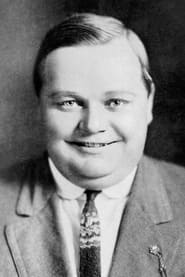
Roscoe "Fatty" Arbuckle plays a henpecked husband who storms out after a nip of whiskey lends him Dutch courage against his mother-in-law's nagging. On a park bench a photographer mistakes him for a seated woman's sweetheart and snaps a tintype that enrages her jealous husband. Fatty's return home collides with a rental-house mix-up, piling mistaken identities onto the photograph that started the chaos.
Cast & crew
More films like this
More Comedy films
View all →







More from Roscoe 'Fatty' Arbuckle
View all →
More about this film
About the production
Release dateSeptember 20, 1915
Box officeUnknown - Keystone shorts were typically rented to theaters for $25-50 per week
ProductionKeystone Film Company, Mack Sennett Comedies
Filmed inLos Angeles, California, Edendale Studio District
This film was part of Arbuckle's prolific 1915 output at Keystone, where he was directing and starring in multiple shorts per month. The tintype prop was a common photographic method of the era, adding authenticity to the mistaken identity premise. The park scenes were likely filmed at nearby Echo Park or Griffith Park, common Keystone locations.
Themes
Mistaken identityDomestic relationshipsJealousyRebellion against authorityPhotography and truth
Themes & topics
photographmistaken identityjealous husbandhenpecked husbandparkrental housetintypecomedy of errorsdomestic comedyslapstick
Historical background
Production circa 1915 placed Fatty's Tintype Tangle within the technical habits of its era—intertitles, studio sets, and regional distribution networks.
Why this film matters
For historians, Fatty's Tintype Tangle documents what typical program fare looked like in 1915, not only marquee blockbusters.
Making of
Roscoe 'Fatty' Arbuckle was at the height of his creative powers in 1915, having complete creative control over his films at Keystone. The studio's famous 'anything goes' approach to comedy allowed Arbuckle to experiment with physical gags and situational comedy. The tintype sequence required careful staging to ensure the mistaken identity premise worked visually. Arbuckle was known for his collaborative directing style, often improvising scenes with his regular cast members. The film was likely shot in sequence, as was common with Keystone productions, allowing for natural comedic timing to develop. The park scenes presented challenges as filming in public locations often drew curious crowds who sometimes wandered into shots unintentionally, occasionally being incorporated into the final film.
What critics said
Press files from 1915 rarely give Fatty's Tintype Tangle extended review space; mentions appear in roundup columns.
Did you know?
- This was one of over 40 films Arbuckle directed and starred in during 1915 alone, showcasing his incredible productivity during the Keystone era.
- The tintype (ferrotype) photography method used in the plot was still common in 1915, though rapidly being replaced by more modern photographic processes.
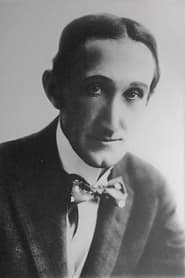
- Joe Bordeaux, who plays the jealous husband, was a regular Arbuckle collaborator appearing in dozens of his films.
- The film's premise of mistaken identity through photography was a recurring theme in silent comedies, reflecting society's growing fascination with visual media.
- Keystone Studios was known for shooting films quickly, often completing a short in just 1-3 days.
- The 'Dutch courage' whiskey reference was common in films of this era, though actual drinking on screen was often simulated.
- Glen Cavender, another Arbuckle regular, would later appear in Buster Keaton's films after Arbuckle helped launch Keaton's career.
- The film was released during the peak of Keystone's influence on American comedy, before Chaplin's departure changed the studio's dynamics.
- Arbuckle's character's rebellion against domestic authority reflected changing gender roles in early 20th century America.
- The park setting was a staple of Keystone comedies, allowing for public filming and unexpected encounters with real pedestrians.
Visual style
The cinematography by standard Keystone cameramen utilized the fixed camera positions typical of the era, with minimal camera movement. The film employed the classic wide shot followed by medium shots for comedic effect, allowing audiences to see both the setup and the physical gags clearly. The park scenes benefited from natural lighting, while interior scenes used the newly adopted electric lighting systems. The tintype close-up was a key visual moment, requiring careful framing to establish the mistaken identity premise.
Innovations
While not technically innovative, the film demonstrated Keystone's efficient production methods and Arbuckle's mastery of visual comedy. The use of tintype photography as a plot device showed an understanding of contemporary technology and its integration into storytelling. The film's editing, though basic by modern standards, effectively timed the reveals and comedic moments for maximum impact. The outdoor filming in natural light represented the ongoing transition from studio-bound productions to more location-based filming.
Music
As a silent film, it would have been accompanied by live musical performance in theaters. Typical Keystone scores included popular songs of the era, classical pieces, and improvisational piano accompaniment. The mood would shift between light comedic themes during the slapstick moments and more dramatic music during the jealousy scenes. Theaters often used cue sheets provided by the studio to guide musicians, though individual pianists frequently added their own interpretations.
Famous quotes
I won't be a domestic slave anymore! - Fatty's declaration after drinking whiskey
That's not my husband! That's the man from the park! - The wife's discovery
A tintype never lies! - The jealous husband's mistaken belief
Memorable scenes
- The photographer mistakenly taking the tintype of Fatty and the strange woman on the park bench, setting up the entire conflict
- Fatty's drunken rebellion against his mother-in-law's tyranny, complete with exaggerated physical comedy
- The climactic scene where Fatty returns home to find the couple from the park renting his house, leading to multiple layers of confusion
- The jealous husband's rage upon discovering the tintype, showcasing the era's melodramatic acting style
What audiences thought
The film was well-received by contemporary audiences who were familiar with Arbuckle's work and the Keystone style of comedy. Theater owners reported good attendance for Arbuckle's shorts, which were reliable crowd-pleasers. The mistaken identity premise and physical comedy appealed to the broad immigrant audiences that made up much of early cinema's demographic. Modern audiences viewing the film at silent film festivals and in archival screenings appreciate its historical value and straightforward comedic approach.
Film connections
Influenced by
- Mack Sennett's Keystone style
- French farce traditions
- Vaudeville comedy routines
- Chaplin's early shorts
- Max Linder's comedies
This film influenced
- Later Arbuckle-Keaton collaborations
- Hal Roach comedy shorts
- Three Stooges mistaken identity shorts
- Modern romantic comedies with similar premises
Film restoration
The film survives in archives and is available through various film preservation organizations. Prints are held at the Library of Congress and the Museum of Modern Art. While not fully restored, existing copies are viewable though some degradation is evident. The film has been included in several Arbuckle retrospective collections and is occasionally screened at silent film festivals.
Where to watch
- Available on DVD in 'The Best of Roscoe Arbuckle' collections
- Streaming on various classic film platforms including Kanopy
- Viewable at film archives and museums with proper credentials
- Occasionally screened at silent film festivals and special events
- Available through some public domain classic film websites