
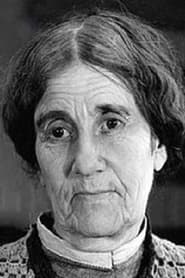
Mai Wells
Actor
Born: January 10, 1890 in St. Louis, Missouri, USA Died: December 23, 1969 Active: 1913-1923 Birth Name: Mayme Wells
Films
5 films

About Mai Wells
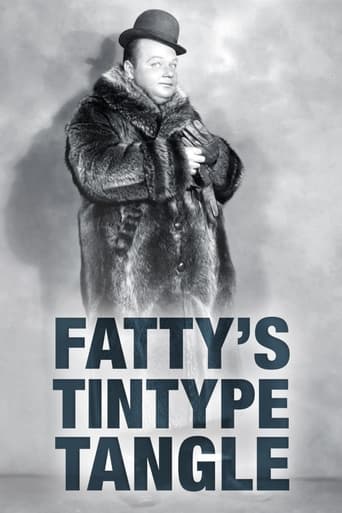
American actress who flourished during the silent film era, primarily working in comedy shorts and features from 1913 to 1923. She began her career at Mack Sennett's Keystone Studios, appearing in numerous slapstick comedies alongside performers like Roscoe 'Fatty' Arbuckle, Mabel Normand, and Charlie Chaplin. Wells demonstrated remarkable versatility, transitioning from supporting roles in chaotic Keystone comedies to more substantial character parts in dramatic features. Her most notable work includes appearances in the Oz film series produced by L. Frank Baum's Oz Film Manufacturing Company, where she played various characters in the fantastical adaptations. Throughout her decade-long career, she appeared in over 50 films, though many are now lost due to the deterioration of nitrate film stock. Wells retired from acting in the early 1920s as the film industry transitioned to sound, leaving behind a legacy of memorable performances that captured the essence of early American cinema.
The Craft
On Screen
Mai Wells specialized in physical comedy and expressive pantomime, typical of the Keystone style. She possessed remarkable facial expressiveness and timing, essential for silent film performance. Her comedic approach ranged from broad slapstick to subtle character work, often playing the straight woman to more outrageous comedic performers. Wells demonstrated particular skill in romantic comedy scenarios and could effectively convey both humor and pathos within the same performance.
Milestones
- Signed with Keystone Studios in 1913, appearing in early comedy shorts
- Worked with L. Frank Baum's Oz Film Manufacturing Company in 1914
- Collaborated frequently with Roscoe Arbuckle and Mabel Normand
- Appeared in Charlie Chaplin's 'The Pilgrim' (1923)
- Transitioned from bit parts to featured supporting roles within her first year
Best Known For
Iconic Roles
Must-See Films
Accolades
Special Recognition
- Contributor to early American cinema preservation efforts posthumously
Working Relationships
Worked Often With
Studios
Why They Matter
Impact on Culture
Mai Wells represents the archetype of the versatile supporting actress who was essential to the success of early silent comedy. While never achieving the stardom of her contemporaries like Mabel Normand or Louise Fazenda, her contributions to dozens of films helped establish the language of American film comedy. Her work in the Oz film series represents an important, though often overlooked, chapter in early fantasy cinema. Wells' career trajectory also illustrates the typical path for many silent era actors who found success but did not transition to sound films, instead choosing to retire and pursue other interests.
Lasting Legacy
Mai Wells' legacy endures through the surviving films that showcase her talent and the influence she had on establishing ensemble comedy in early cinema. Film historians and preservationists continue to rediscover her work through restored Keystone comedies and Oz films. Her performances serve as valuable examples of the craft of silent film acting, particularly in the realm of physical comedy. Wells represents the countless dedicated performers who formed the backbone of early Hollywood, contributing significantly to the development of American cinema while remaining largely anonymous to modern audiences.
Who They Inspired
While not widely documented as an influence on other performers, Mai Wells' work in ensemble comedy helped establish patterns that would be followed by generations of character actresses. Her ability to play both comic and straight roles provided a template for versatile supporting performers in comedy. The naturalness of her performances, despite the exaggerated style of the era, influenced the move toward more subtle comedic acting that would emerge in the late 1920s and early 1930s.
Off Screen
Mai Wells maintained a relatively private personal life despite her film career. She married businessman Thomas Henderson in 1924, shortly after retiring from acting, and the couple remained married until his death in 1958. They had no children but were known for their charitable work in Los Angeles, particularly supporting children's charities and film preservation societies. After her acting career ended, Wells worked as a real estate agent in Beverly Hills, successfully transitioning to a new profession while remaining connected to the film industry through social circles.
Education
Attended St. Louis public schools; no formal acting training reported
Family
- Thomas Henderson (1924-1958)
Did You Know?
- Appeared in over 50 films during her 10-year career, though many are now considered lost
- Was one of the original members of the Keystone troupe in 1913
- Worked with both Roscoe Arbuckle and Charlie Chaplin during their peak years
- Her real name was Mayme Wells, but she used 'Mai' professionally for easier pronunciation
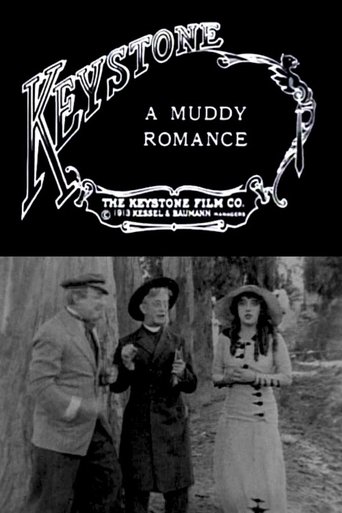
- Made her film debut in 'A Muddy Romance' (1913), one of her few surviving early works
- Was a skilled ice skater and incorporated this talent into several comedy shorts
- At 5'2", she was often cast alongside much taller actors for comic contrast
- Retired from acting at age 33, relatively young for the era
- Was an accomplished pianist and sometimes provided musical accompaniment during film shoots
- Maintained lifelong friendships with several of her Keystone colleagues
In Their Own Words
The secret to comedy is not taking yourself too seriously, even when you're covered in mud and falling into a lake for the tenth time that day.
Working at Keystone was like being part of a big, chaotic family - we made each other laugh, we made each other cry, but most importantly, we made movies that made people forget their troubles.
Frequently Asked Questions
Who was Mai Wells?
American silent film actress who worked primarily in comedy shorts during the 1910s and early 1920s, best known for her work with Keystone Studios and appearances in films with Roscoe Arbuckle and Charlie Chaplin.
What films is Mai Wells best known for?
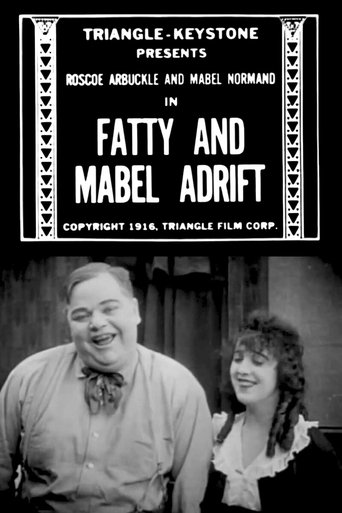
Titles linked here include Fatty and Mabel Adrift (1916), His Majesty, the Scarecrow of Oz (1914).
When was Mai Wells born and when did she die?
Born January 10, 1890; died December 23, 1969.
What awards did Mai Wells win?
Mai Wells did not receive any major formal awards during her career, as was common for supporting actors in the silent era, though her work has been recognized posthumously by film preservation societies.
What was Mai Wells's acting style?
Wells specialized in physical comedy and expressive pantomime typical of Keystone productions, demonstrating remarkable facial expressiveness and timing while excelling in both broad slapstick and subtle character work.