
A Muddy Romance
"A Muddy Romance (1913)"
Keys: Space play/pause · ←/→ 10s · F fullscreen · M mute · </> speed
About this film
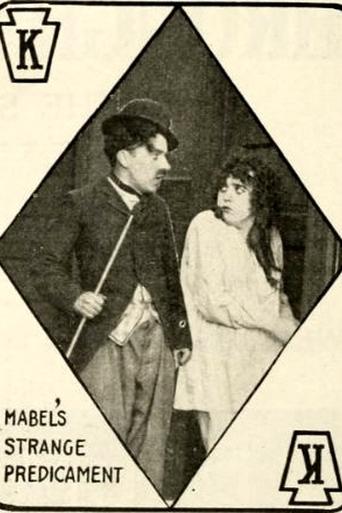
Two rivals for Mabel's hand play a series of dirty tricks on each other. Finally, one of them gets Mabel alone and is about to marry her, but his rival comes up with a strange scheme to stop them. Soon the Keystone Kops arrive on the scene, and chaos quickly ensues.
Cast & crew
More films like this

More Comedy films
View all →







More from Mack Sennett
View all →

More about this film
About the production
Release dateOctober 1913
Box officeUnknown - Keystone shorts were typically rented to theaters for $25-50 per week
ProductionKeystone Film Company, Mack Sennett Comedies
Filmed inEdendale, California, Los Angeles, California
Filmed during Keystone's peak production period when they were releasing multiple shorts per week. The muddy conditions were likely created intentionally for comedic effect, a common Sennett technique. The film was shot quickly, typical of Keystone's factory-like production schedule, probably completed in 1-2 days.
Themes
Rivalry and competitionRomantic pursuitComic chaosAuthority and incompetenceSocial embarrassment
Themes & topics
Historical background
A Muddy Romance (1913) emerged during the silent era before feature-length dominance, when exhibition habits and national film industries were still taking shape.
Why this film matters
A Muddy Romance is cited in film databases and retrospective programs that map 1913 production.
Making of
Mack Sennett's Keystone Studios operated like an assembly line, with multiple films shooting simultaneously on their Edendale lot. The muddy conditions for this film were likely created using the studio's artificial ponds, which were frequently drained and refilled for different productions. Mabel Normand, despite being the star, often participated in the dangerous physical comedy herself, including falls into mud and water. Ford Sterling was known for his elaborate mustache grooming between takes, as his facial hair was crucial to his comic villain persona. The Keystone Kops were typically played by stuntmen and bit players who would perform dangerous falls and crashes, often without proper safety equipment. The film was likely shot in sequence, as editing capabilities were limited in 1913, requiring careful planning of the escalating chaos.
What critics said
Trade and revival screenings have kept A Muddy Romance (1913) on the map for collectors and scholars rather than mass first-run promotion.
Did you know?
- This was one of the earliest films to feature the Keystone Kops, who would become defining comedy teams in cinema history
- Mabel Normand was not only the star but also one of the few women directors of the era, having directed several shorts for Keystone
- The film was released during the height of the 'mud comedy' craze, where messy situations became a staple of slapstick humor
- Ford Sterling's character was one of his signature 'mustache-twirling villain' roles that made him famous
- The 'dirty tricks' gags in this film influenced countless later comedies, including the Three Stooges and Marx Brothers
- 1913 was Keystone's most productive year, releasing over 200 short films
- The film was likely shot on the Keystone backlot which featured artificial ponds and mud pits specifically for comedy sequences
- This was one of the last films before Charles Chaplin joined Keystone, which would revolutionize their comedy style
- The muddy wedding scene became a template for countless later wedding disaster comedies
- Keystone films of this period were known for their improvisational style, with actors often creating gags on set
Awards & recognition
- None - The Academy Awards were not established until 1929
Visual style
The film utilized the static camera techniques typical of 1913, with the camera remaining in a fixed position for most scenes. The cinematography emphasized clear visibility of the physical comedy, with medium shots allowing audiences to see full body movements and facial expressions. The muddy sequences likely used special lighting techniques to make the mess more visible on screen. The film employed basic cross-cutting between the rival suitors to build tension and comic timing. The Keystone Kops' arrival would have been shot with wide angles to accommodate the chaotic action. The cinematographer, likely one of Keystone's regular cameramen, would have focused on capturing the rapid movement and falls that were central to the comedy.
Innovations
While not technically innovative, the film demonstrated Keystone's mastery of the one-reel format. The production utilized the studio's advanced artificial mud and water effects, which were considered sophisticated for the time. The film's pacing and editing, though basic by modern standards, showed an understanding of comic timing that was ahead of many contemporaries. The coordination of multiple performers in the chaotic sequences required careful blocking and rehearsal. The film's use of location shooting, even if limited to the studio backlot, represented a move away from the purely theatrical staging of earlier films. The makeup effects for the muddy sequences were notable for their realism and comic effectiveness.
Music
As a silent film, 'A Muddy Romance' would have been accompanied by live music in theaters. Typical accompaniment would include popular songs of the era, classical pieces, and improvisational piano music. The muddy sequences might have been accompanied by jaunty, ragtime-influenced music to enhance the comic effect. The romantic elements would have been scored with sentimental melodies. The Keystone Kops' entrance would likely have been accompanied by frantic, percussive music to emphasize the chaos. Theater pianists often used cue sheets provided by studios, though Keystone films allowed for significant improvisation based on the action on screen.
Famous quotes
As a silent film, dialogue was conveyed through intertitles and physical expression rather than spoken quotes
Memorable scenes
- The escalating mud-fighting sequence between the two rivals, each becoming progressively dirtier as their pranks intensify; The interrupted wedding scene where the bride and groom are covered in mud just as the ceremony begins; The chaotic arrival of the Keystone Kops, who slip and slide through the mud while attempting to restore order, creating even more mayhem
What audiences thought
The film was popular with contemporary audiences who were hungry for the fast-paced, physical comedy that made Keystone famous. Theater owners reported strong attendance for Keystone shorts, which were reliable crowd-pleasers. Audiences particularly enjoyed the escalating chaos and the appearance of the Keystone Kops, who were becoming fan favorites. The muddy slapstick appealed to working-class audiences who appreciated the cathartic release of watching well-dressed characters get progressively messier. The film's romantic elements, though minimal, provided a familiar narrative framework for the comedy. Contemporary audience letters and memoirs indicate that Keystone comedies like this one were among the most requested films at nickelodeons and early movie theaters.
Film connections
Influenced by
- French and Italian comedies of the early 1910s
- Vaudeville and burlesque traditions
- Max Linder's comedies
- Pathe's comedy shorts
- Stage farce traditions
This film influenced
- Later Keystone comedies
- Hal Roach's comedy shorts
- The Three Stooges shorts
- Marx Brothers films
- Modern romantic comedies with slapstick elements
Film restoration
Like many early Keystone shorts, the preservation status of 'A Muddy Romance' is uncertain. Some Keystone films from this period survive in archives like the Library of Congress and the Museum of Modern Art, while others are considered lost. The film may exist in fragmentary form or as part of compilation collections. Keystone's practice of selling prints to multiple theaters worldwide increases the chance that copies survive in various archives or private collections. The film, if extant, would likely be in the public domain due to its age.
Where to watch
- If preserved, the film might be available through film archives specializing in early cinema
- Potentially included in DVD collections of Keystone comedies
- May be accessible through university film libraries or academic streaming services
- Could be available on public domain film websites like Internet Archive if a copy survives
- Might be screened at film festivals or museums specializing in silent cinema