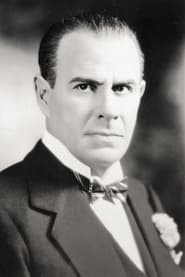
Ford Sterling
Actor & Director
Born: November 1, 1883 in La Crosse, Wisconsin, USA Died: October 13, 1939 Active: 1911-1931 Birth Name: George Ford Staley
Films
26 films
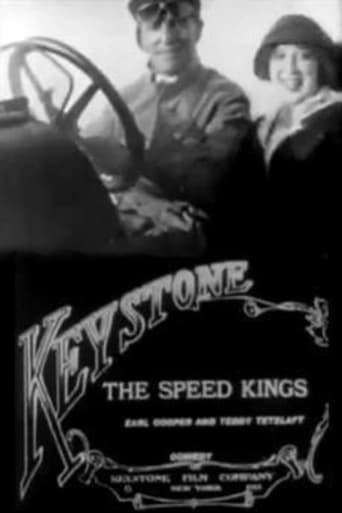
The Speed Kings
1913
The Water Nymph
1912
He Who Gets Slapped
1924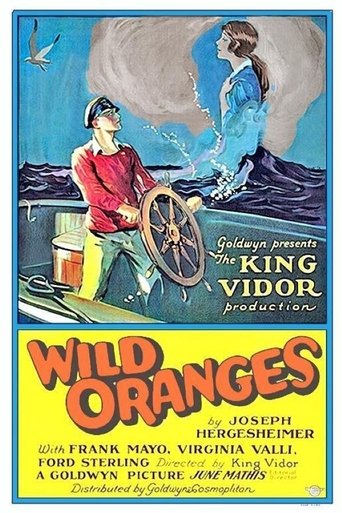
Wild Oranges
1924
Tango Tangles
1914
Between Showers
1914
Peeping Pete
1913
A Thief Catcher
1914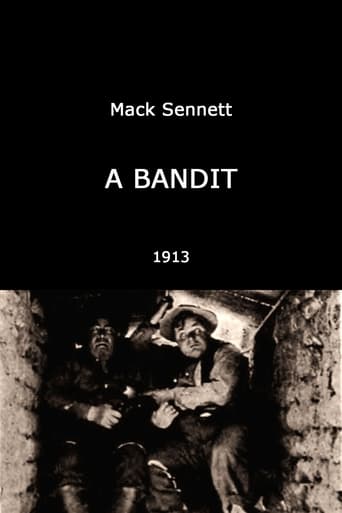
A Bandit
1913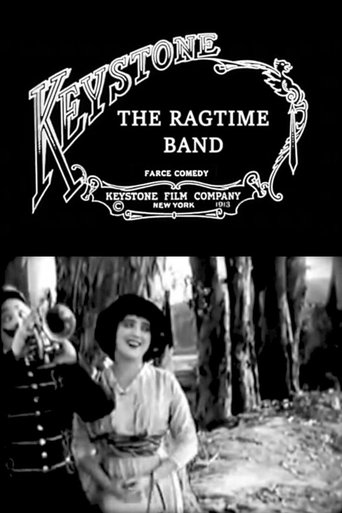
The Ragtime Band
1913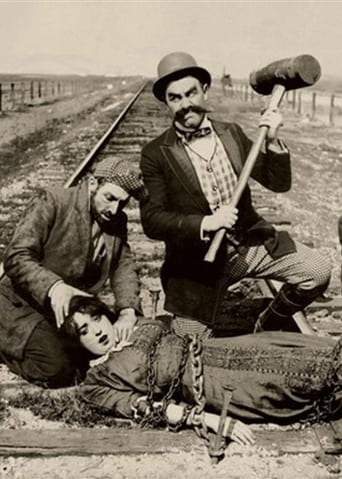
Barney Oldfield's Race for a Life
1913
That Little Band Of Gold
1915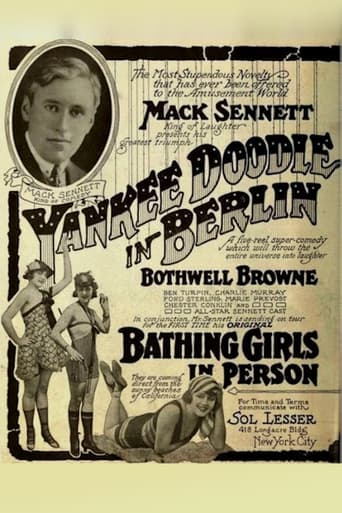
Yankee Doodle in Berlin
1919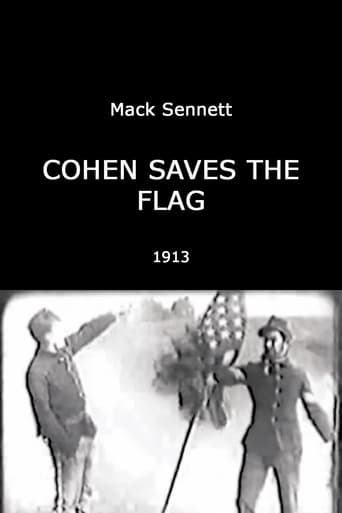
Cohen Saves the Flag
1913
Hearts and Flowers
1919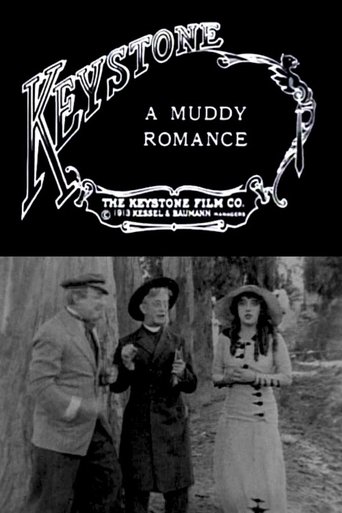
A Muddy Romance
1913
The Girl in the Show
1929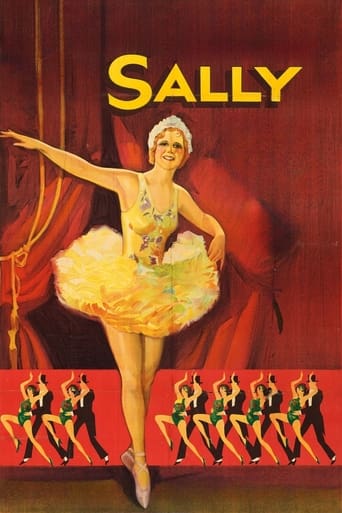
Sally
1929
Stage Struck
1925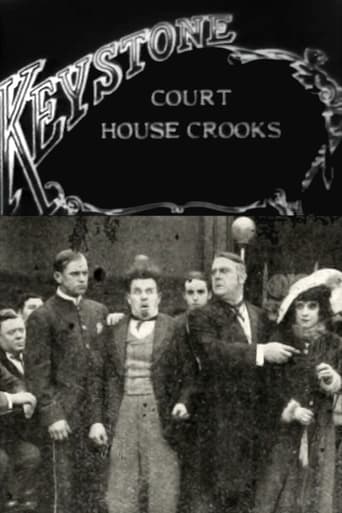
Court House Crooks
1915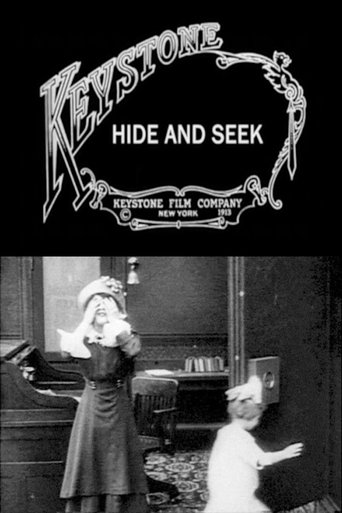
Hide and Seek
1913
Spring Is Here
1930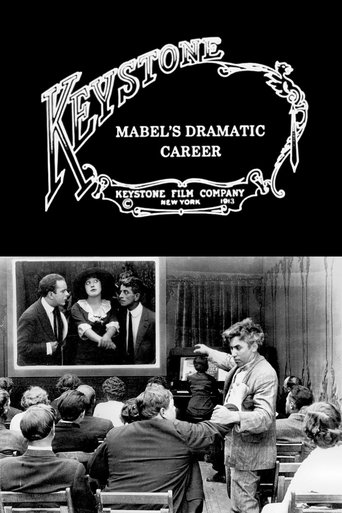
Mabel's Dramatic Career
1913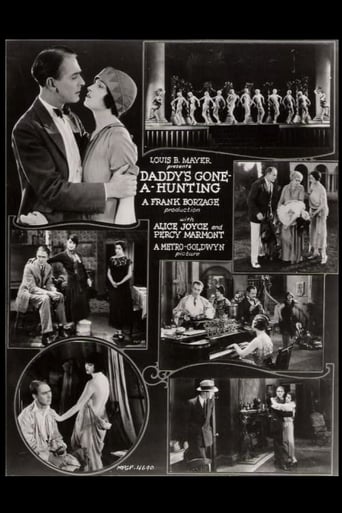
Daddy's Gone A-Hunting
1925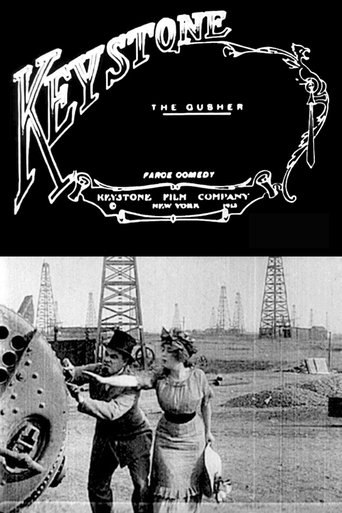
The Gusher
1913About Ford Sterling
Ford Sterling, born George Ford Staley, was an American comic actor and director who rose to prominence during the silent film era. He began his entertainment career in vaudeville before transitioning to motion pictures in 1911, joining Mack Sennett's newly formed Keystone Studios where he quickly became one of the company's most valuable assets. Sterling was instrumental in creating the Keystone Cops comedy troupe and developed a signature persona characterized by his rotund physique, elaborate mustache, and exaggerated facial expressions that perfectly suited the visual medium of silent cinema. Throughout the 1910s, he appeared in hundreds of one- and two-reel comedies, often playing pompous officials, bumbling criminals, or comically inept authority figures, while also directing several films including the now-lost Charlie Chaplin short 'A Thief Catcher' (1914). As the film industry evolved toward feature-length productions in the 1920s, Sterling's career trajectory shifted, though he continued to work steadily in supporting roles for major studios like Paramount and MGM. He made a brief and somewhat difficult transition to sound films in the late 1920s but found his pantomime-heavy style less suited to the new medium, leading to his gradual retirement from acting. Sterling spent his final years in Los Angeles, where he died in 1939, leaving behind a substantial body of work that helped establish the visual vocabulary of American film comedy.
The Craft
On Screen
Ford Sterling's acting style was quintessentially suited to silent cinema, characterized by broad physical comedy, exaggerated facial expressions, and masterful pantomime. He specialized in playing pompous, self-important characters whose dignity was comically undermined by circumstances, using his rotund physique and distinctive mustache as visual comedy tools. Sterling's performances were marked by rapid-fire gesturing, double-takes, and an ability to convey complex emotions through facial contortions that read clearly on screen. His comedy often involved him playing authority figures who were ultimately revealed as incompetent or foolish, creating a satisfying inversion of social hierarchies that appealed to working-class audiences of the era.
Behind the Camera
As a director, Sterling maintained the fast-paced, chaotic energy that characterized Keystone comedies, focusing on physical gags and chase sequences that became hallmarks of the studio's style. His directorial work, though less extensive than his acting, demonstrated a keen understanding of visual comedy timing and the importance of clear, exaggerated actions that could be understood without dialogue. Sterling favored long shots that allowed full appreciation of physical comedy and coordinated ensemble pieces, particularly evident in his work with the Keystone Cops. His brief directing career coincided with the early development of film comedy language, and his contributions helped establish conventions that would influence generations of comic filmmakers.
Milestones
- Founding member of the Keystone Cops comedy troupe
- Star of hundreds of Keystone comedy shorts (1912-1917)
- Directed several films including the lost Charlie Chaplin short 'A Thief Catcher' (1914)
- Transitioned to feature films in the 1920s with supporting roles
- Made the transition to sound films in the late 1920s
Best Known For
Iconic Roles
Must-See Films
Accolades
Special Recognition
- Hollywood Walk of Fame star (6301 Hollywood Boulevard)
- Pioneer in American film comedy recognized by film historians
Working Relationships
Worked Often With
Studios
Why They Matter
Impact on Culture
Ford Sterling played a crucial role in establishing the visual language of American film comedy during its formative years. As one of the original stars of Keystone Studios, he helped create and popularize the fast-paced, physically-driven comedy style that would dominate American humor for decades. His work with the Keystone Cops created an enduring archetype of comically inept law enforcement that has been referenced and parodied throughout film and television history. Sterling's success demonstrated the commercial viability of feature comedy stars and helped establish the star system that would become fundamental to Hollywood's business model. His transition from vaudeville to film represented the broader shift of entertainment talent from stage to screen during the early 20th century, while his eventual decline illustrated the challenges faced by silent film performers in the sound era.
Lasting Legacy
Ford Sterling's legacy lies primarily in his contributions to the development of American film comedy during its crucial formative period. Though largely forgotten by general audiences today, film historians recognize him as a figure whose work helped establish comedy as a commercially viable film genre. His performances in hundreds of Keystone shorts created a template for visual comedy that influenced generations of performers and directors, from the Marx Brothers to Jim Carrey. The character types he developed—pompous officials brought down by their own incompetence—remain staples of comedy across all media. Sterling's career trajectory, from vaudeville stardom to silent film success and eventual decline with the advent of sound, serves as a representative example of the broader changes in the film industry during the early 20th century. His Hollywood Walk of Fame star stands as a permanent recognition of his contributions to cinema, while surviving films continue to be studied by scholars and appreciated by silent film enthusiasts.
Who They Inspired
Ford Sterling influenced countless comedians who followed, both through his direct work at Keystone and through the comedy conventions he helped establish. His exaggerated physical style and mastery of pantomime provided a model for visual comedy that was studied and adapted by performers throughout the silent era and beyond. The Keystone Cops format he helped create became an enduring comedy trope that has been referenced in everything from classic cartoons to modern films. His ability to create memorable characters through physical rather than verbal means demonstrated the unique possibilities of film as a medium, influencing how comedians approached screen performance. While he never achieved the lasting fame of contemporaries like Charlie Chaplin or Buster Keaton, Sterling's work as a comedy pioneer helped create the foundation upon which their more celebrated careers were built.
Off Screen
Ford Sterling married twice during his lifetime, first to actress Teddy Sampson in 1913, with whom he had a daughter before their divorce in 1919. He later married actress Aileen Manning in 1922, and they remained together until his death. Sterling was known in Hollywood circles for his generosity and willingness to help younger performers, though he struggled with alcoholism in his later years. Despite his considerable success during the silent era, he faced financial difficulties as his career declined in the 1930s, a common fate for many silent film stars unable to transition to sound. His death from a heart attack in 1939 was largely overlooked by an industry that had moved on to new stars and new cinematic techniques.
Education
Limited formal education, primarily trained in vaudeville and theater performance
Family
- Teddy Sampson (1913-1919)
- Aileen Manning (1922-1939)
Did You Know?
- His birth name was George Ford Staley, but he changed it to Ford Sterling when entering show business
- He was one of the original members of the famous Keystone Cops comedy troupe
- The film 'A Thief Catcher' (1914), which he directed, was considered lost for decades until a copy was discovered in 2010
- He appeared in over 270 films during his career, most of them short comedies
- His distinctive mustache became his trademark and was widely imitated by other comedians of the era
- He was one of the highest-paid comedy stars of the 1910s, earning up to $1,000 per week
- Sterling struggled with the transition to sound films, as his pantomime-heavy style didn't translate well to talkies
- He worked with Charlie Chaplin in several early films before Chaplin became a major star
- His Hollywood Walk of Fame star is located at 6301 Hollywood Boulevard
- Despite his rotund appearance, he was quite athletic and performed many of his own stunts
In Their Own Words
Silence is golden, especially when you're making faces for a living
In comedy, the bigger the fall, the bigger the laugh - and I've fallen plenty
The secret to making people laugh is making yourself look ridiculous while taking yourself seriously
Frequently Asked Questions
Who was Ford Sterling?
American comic actor and on YTB.my. He appeared in hundreds of comedy shorts and helped establish the visual language of American film comedy during its formative years.
What films is Ford Sterling best known for?
Titles linked here include The Water Nymph (1912), The Speed Kings (1913).
When was Ford Sterling born and when did he die?
Born November 1, 1883; died October 13, 1939.
What awards did Ford Sterling win?
While Ford Sterling didn't receive major formal awards during his career, he was recognized with a star on the Hollywood Walk of Fame at 6301 Hollywood Boulevard. His contributions to early film comedy have been acknowledged by film historians as work in the development of American cinematic comedy.
What was Ford Sterling's acting style?
Sterling's acting style was characterized by broad physical comedy, exaggerated facial expressions, and masterful pantomime perfectly suited to silent cinema. He specialized in playing pompous authority figures whose dignity was comically undermined, using his rotund physique and distinctive mustache as visual comedy tools in the fast-paced, chaotic style of Keystone comedies.