

A Film Johnnie
"The Tramp."
Keys: Space play/pause · ←/→ 10s · F fullscreen · M mute · </> speed
About this film
The Tramp, a film Johnnie (someone who loiters near theaters or studios to meet stars or get a job), attempts to meet his favorite movie actress at the Keystone Studio, but does not win friends there.
Cast & crew
More films like this

More Comedy films
View all →







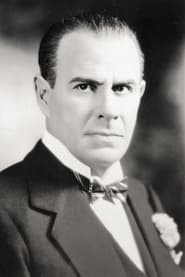
More from George Nichols
View all →


More about this film
About the production
Release dateMarch 2, 1914
Box officeUnknown - box office records for individual shorts weren't systematically tracked in 1914
ProductionKeystone Film Company
Filmed inKeystone Studios, Edendale, Los Angeles, California
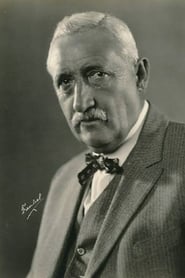
This was one of Chaplin's earliest appearances as the Tramp character, created just months after the character's debut. The film was shot quickly in the typical Keystone fashion of one or two takes per scene. The studio setting allowed for authentic behind-the-scenes glimpses of early film production. George Nichols, who directed this film, was also an actor who often appeared in Chaplin's early comedies.
Themes
Celebrity cultureBehind-the-scenes of filmmakingFan worshipClass differencesThe illusion of stardom
Themes & topics
Historical background
Viewers in 1914 encountered A Film Johnnie alongside competing releases that were collectively teaching new cinematic grammar.
Why this film matters
Restorations and festival bookings keep A Film Johnnie visible among classic-film communities.
Making of
The filming of 'A Film Johnnie' took place during a particularly prolific period for Chaplin at Keystone, where he was making multiple short films each week. The studio setting was not just a set but the actual working Keystone Studios, allowing for authentic background action of real film production. Chaplin was still developing the Tramp character during this period, experimenting with different aspects of the persona that would later become world-famous. The collaborative nature of Keystone productions meant that much of the comedy was improvised on set, with Chaplin, Arbuckle, and other performers contributing gags spontaneously. The film's meta-nature, showing the behind-the-scenes workings of a movie studio, was relatively innovative for its time and reflected the growing public fascination with the film industry.
What critics said
Press files from 1914 mention A Film Johnnie in roundup columns of what played that week.
Did you know?
- This was only the fourth film in which Chaplin appeared as his iconic Tramp character, which had debuted just weeks earlier in January 1914.
- The term 'film Johnnie' was early 20th century slang for movie fans who hung around studios hoping to meet celebrities or get work in films.
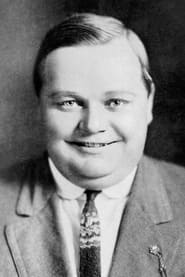
- Roscoe 'Fatty' Arbuckle, who appears in this film, would later become a major comedy star in his own right before his career was destroyed by scandal.
- The film provides a rare glimpse inside the actual Keystone Studios, showing authentic behind-the-scenes filmmaking of the era.
- Director George Nichols was the father of director George Nichols Jr. and appeared as an actor in over 200 films between 1908-1930.
- This was one of the few Chaplin Keystone films directed by someone other than Chaplin himself or Mack Sennett.
- The film features real Keystone crew members and actors playing themselves, making it one of the earliest examples of meta-cinema.
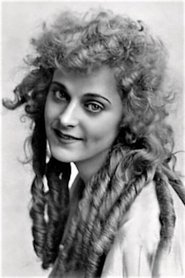
- Peggy Pearce, the object of the Tramp's affection, was a regular Keystone actress who appeared in over 50 films between 1913-1920.
- The studio chaos depicted was somewhat authentic - Keystone was known for its chaotic, improvisational shooting style.
- This film was released just as World War I was beginning in Europe, though America wouldn't enter the war until 1917.
Visual style
The cinematography in 'A Film Johnnie' was typical of Keystone productions in 1914 - straightforward, functional, and focused on clearly capturing the physical comedy. The camera work was static for the most part, as was common in the era, with the camera positioned to best frame the comedic action. The use of the actual studio lot provided authentic backgrounds that added visual interest and historical value. The film employed basic continuity editing techniques that were still being developed during this period. Lighting was natural and utilitarian, typical of the fast-paced production schedule at Keystone where films were shot quickly with minimal setup time.
Innovations
While 'A Film Johnnie' doesn't feature major technical innovations, it does demonstrate the developing techniques of early cinema. The film's use of authentic studio locations represents an early form of location shooting that went beyond studio sets. The meta-narrative approach, showing the making of movies within a movie, was relatively innovative for its time. The film also showcases the rapid pacing and editing techniques that Keystone was developing for comedy, helping establish conventions for slapstick film timing. The preservation of actual Keystone Studios on film provides valuable technical documentation of early film production facilities and methods.
Music
Like all films of 1914, 'A Film Johnnie' was a silent film with no synchronized soundtrack. During theatrical release, it would have been accompanied by live music, typically a pianist or small theater orchestra. The musical accompaniment would have been chosen to match the on-screen action and mood, with lively, comedic music for the slapstick sequences and more romantic themes for scenes involving the actress. No original score was composed specifically for this film, as was standard practice for short comedies of the era. Modern restorations and presentations typically use period-appropriate music or newly composed scores that evoke the style of 1910s cinema.
Famous quotes
The Tramp: [gesturing wildly while trying to get attention] I'm a film Johnnie! I want to be in the movies!
Studio Guard: [pointing] You can't come in here! This is a movie studio!
The Tramp: [to himself] I must meet the beautiful actress... I must!
Memorable scenes
- The opening sequence where the Tramp sneaks into the Keystone Studios lot, peeking through fences and dodging guards to gain entry.
- The chaotic scene where the Tramp interrupts a film in progress, walking through shots and confusing the actors and director.
- The climactic chase sequence through the studio grounds, with the Tramp being pursued by an increasingly large crowd of angry crew members.
- The scene where the Tramp attempts to impress his favorite actress with clumsy antics, only to make matters worse.
What audiences thought
Audiences in 1914 responded positively to 'A Film Johnnie,' as they were becoming increasingly familiar with and fond of Chaplin's Tramp character. The behind-the-scenes setting was particularly appealing to moviegoers of the era, who were fascinated by the filmmaking process. The film's simple premise and physical comedy made it accessible to the diverse audiences of early cinema. Modern audiences who view the film today often appreciate it more for its historical significance than its entertainment value, though comedy enthusiasts still enjoy Chaplin's early work and the authentic glimpse of Keystone Studios.
Film connections
Influenced by
- French comedies of Max Linder
- Mack Sennett's Keystone comedy style
- Music hall and vaudeville traditions
- Early film chase comedies
This film influenced
- Later Chaplin films about filmmaking
- Hollywood self-referential comedies
- Behind-the-scenes movie comedies
- Fan culture films
Film restoration
The film survives and has been preserved. It is available through various archives and has been included in Chaplin collections. The surviving prints appear to be in reasonably good condition for a film of this era. The film has been digitized and is accessible through various film archives and classic film platforms. As one of Chaplin's early works, it has received attention from film preservationists interested in documenting the development of his iconic character.
Where to watch
- YouTube (various public domain uploads)
- The Internet Archive
- Classic film streaming services
- Chaplin DVD collections
- Film archive websites