
Billy Gilbert
Actor & Director
Born: September 15, 1891 in Kentucky, USA Died: April 29, 1961 Active: 1913-1929 Birth Name: William V. Campbell
Films
24 films
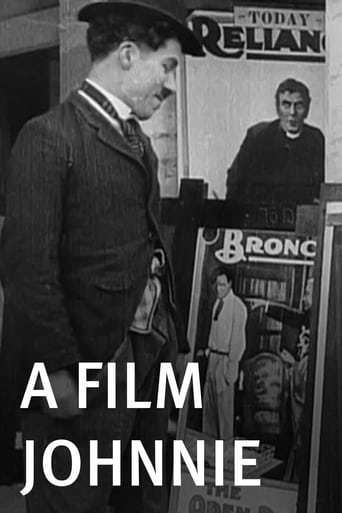
A Film Johnnie
1914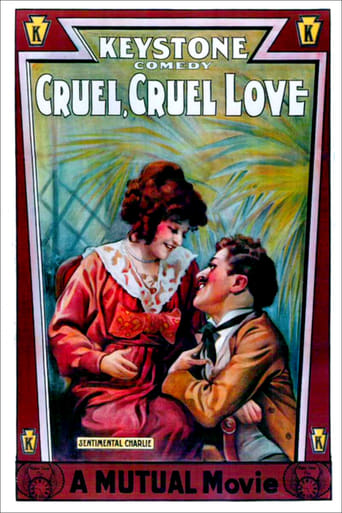
Cruel, Cruel Love
1914
The Speed Kings
1913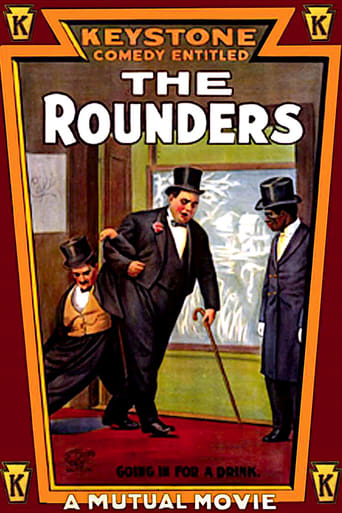
The Rounders
1914
Caught in a Cabaret
1914
His Musical Career
1914
A Busy Day
1914
Mabel's Strange Predicament
1914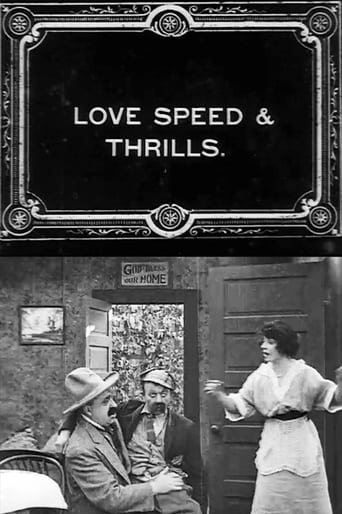
Love, Speed and Thrills
1915No Poster
The Bees' Buzz
1929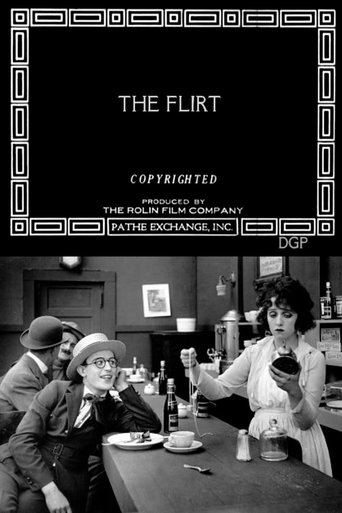
The Flirt
1917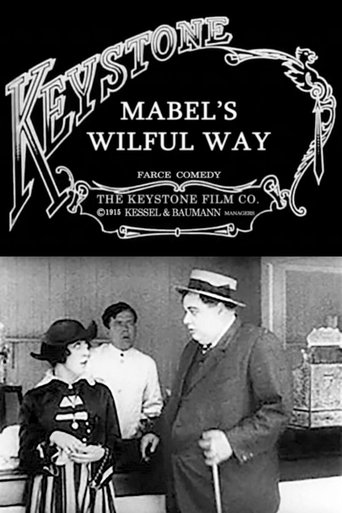
Mabel’s Wilful Way
1915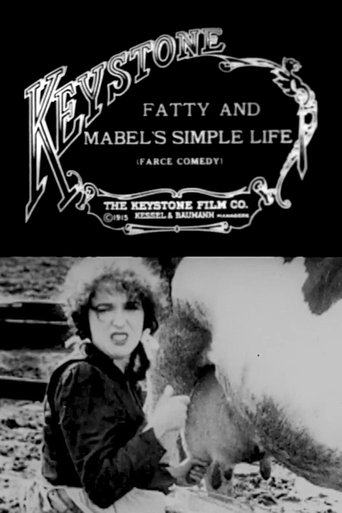
Fatty and Mabel’s Simple Life
1915
Those Country Kids
1914
Wished on Mabel
1915
Fatty and Minnie He-Haw
1914
Fiddlesticks
1927No Poster
All Wet
1921
Smith's Uncle
1926No Poster
Smith's Pony
1927
Flirty Four-Flushers
1926
A Hash House Fraud
1915
Rainbow Island
1917About Billy Gilbert
Billy Gilbert, born William V. Campbell, was a versatile figure in early American cinema who made significant contributions as both an actor and director during the silent era. He began his film career in 1913, appearing in numerous short comedies and quickly establishing himself as a reliable character actor. Gilbert had the distinction of working with Charlie Chaplin during Chaplin's early Keystone period, appearing in several of his 1914 shorts including 'Making a Living,' 'A Film Johnnie,' and 'The Rounders.' Transitioning behind the camera, he directed his first film 'The Flirt' in 1917 and went on to helm numerous shorts and features throughout the 1910s and 1920s, primarily for smaller studios. His directorial work often focused on comedy shorts, showcasing his understanding of visual humor honed during his acting years. As the film industry evolved and sound pictures emerged, Gilbert gradually shifted away from performing and directing, though he remained involved in production capacities. His the formative years of American cinema, from the wild slapstick of early Keystone comedies to more sophisticated narrative filmmaking of the late silent period.
The Craft
On Screen
As a silent film actor, Gilbert employed the exaggerated physical comedy style typical of the Keystone era, using broad gestures and facial expressions to convey humor and emotion. His performances were characterized by energetic movement and comedic timing that complemented the fast-paced slapstick of early comedies. He often played supporting roles that required physical dexterity and the ability to react dramatically to the lead actors' antics.
Behind the Camera
Gilbert's directing approach reflected his background in physical comedy, emphasizing visual gags, rapid pacing, and clear storytelling suitable for silent film audiences. He demonstrated a solid understanding of cinematic composition and continuity, particularly in short-form comedy where timing was crucial. His films typically featured straightforward narratives enhanced by situational comedy and character-driven humor rather than relying on elaborate technical innovations.
Milestones
- Early collaboration with Charlie Chaplin at Keystone Studios (1914)
- Directorial debut with 'The Flirt' (1917)
- Appeared in Chaplin's first film 'Making a Living' (1914)
- Directed over 20 short films and features during the silent era
- Transitioned from acting to directing to production management
Best Known For
Iconic Roles
Must-See Films
Working Relationships
Worked Often With
Studios
Why They Matter
Impact on Culture
Billy Gilbert represents the generation of filmmakers who helped establish the language of American cinema during its formative years. His work with Charlie Chaplin during the comedian's crucial early period contributed to the development of cinematic comedy and the star system itself. As both actor and director, Gilbert embodied the versatility required in early Hollywood, where individuals often wore multiple hats to meet the industry's rapid growth demands. His films, while not widely remembered today, were part of the foundation upon which classical Hollywood cinema was built, particularly in the comedy genre.
Lasting Legacy
Though not as well-remembered as some of his contemporaries, Billy Gilbert's legacy lives on through his contributions to early American cinema, particularly his role in Charlie Chaplin's development as a filmmaker. His directorial work helped establish conventions for short-form comedy that would influence generations of filmmakers. The transition from performer to director to production manager that characterized his career path became a common trajectory in Hollywood, demonstrating the various ways creative individuals could contribute to the film industry.
Who They Inspired
Gilbert's work influenced the development of American comedy cinema through his participation in Keystone's innovative approach to visual humor. His understanding of both acting and directing made him particularly effective at creating comedy that worked on screen, a skill that would be emulated by future comedy filmmakers. While he didn't mentor any famous protégés who carried his name forward, his collaborative approach to filmmaking and adaptability to industry changes set an example for future generations of film professionals.
Off Screen
Billy Gilbert was born William V. Campbell in Kentucky and moved to California during the early film boom. He married and had children, though details about his family life remain relatively private compared to his professional career. After retiring from active filmmaking in the late 1920s, he lived in Los Angeles until his death in 1961 at the age of 69. His transition from performer to director to production manager reflected the changing nature of the film industry and his adaptability to new roles.
Education
Unknown formal education, likely learned filmmaking through practical experience in early studios
Family
- Unknown
Did You Know?
- Appeared in Charlie Chaplin's very first film 'Making a Living' (1914)
- Worked at Keystone Studios during its most innovative period under Mack Sennett
- Directed 'The Flirt' (1917), one of his few surviving directorial works
- His real name was William V. Campbell, making him one of many early film actors who adopted stage names
- Active years covered the entire silent era, from 1913 to 1929
- Not to be confused with the more famous Billy Gilbert (1894-1971) known for his sneezing routine
- Worked during the transition from one-reel shorts to feature-length films
- His films were typical of the rapid-fire comedy style that made American films popular worldwide
In Their Own Words
No documented famous quotes from this Billy Gilbert
Frequently Asked Questions
Who was Billy Gilbert?
American actor and on YTB.my. Born William V. Campbell, he was known for his work in early comedies, particularly his collaborations with Charlie Chaplin at Keystone Studios.
What films is Billy Gilbert best known for?
Titles linked here include Making a Living (1914), A Film Johnnie (1914).
When was Billy Gilbert born and when did he die?
Born September 15, 1891; died April 29, 1961.
What awards did Billy Gilbert win?
There are no documented awards or nominations for Billy Gilbert, which was common for many film professionals working during the early silent era before major award institutions were established.
What was Billy Gilbert's acting and directing style?
As an actor, Gilbert used the exaggerated physical comedy style typical of Keystone films with broad gestures and expressions. As a director, he emphasized visual gags and rapid pacing, particularly in short comedies, with clear storytelling suitable for silent audiences.
How is Billy Gilbert different from the other Billy Gilbert?
This Billy Gilbert (1891-1961) was a silent era actor/director who worked with Chaplin, while Billy Gilbert (1894-1971) was the more famous character actor known for his sneezing routine who appeared in Laurel and Hardy films and later talkies.
What was Billy Gilbert's connection to Charlie Chaplin?
Gilbert appeared in several of Chaplin's earliest films made at Keystone Studios in 1914, including Chaplin's screen debut 'Making a Living.' These collaborations occurred during Chaplin's formative period when he was developing his iconic Tramp character.