

The Rounders
"Pub peace lasts one round"
Keys: Space play/pause · ←/→ 10s · F fullscreen · M mute · </> speed
About this film
Two drunks fight with their wives and then go out and get even drunker. Exhibitors circulated the 1914 print in short programs.
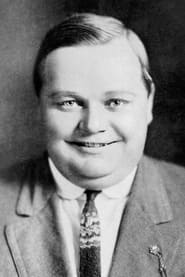
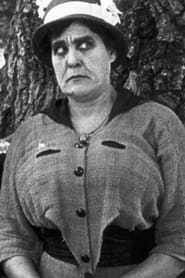
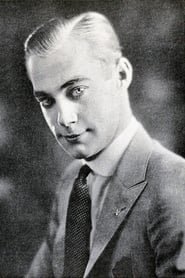
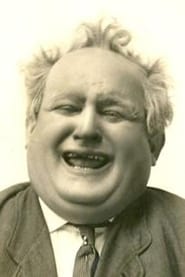
Cast & crew
More films like this

More Comedy films
View all →







More from Charlie Chaplin
View all →


More about this film
About the production
Release dateSeptember 7, 1914
ProductionKeystone Studios, Mack Sennett Comedies
Filmed inLos Angeles, California, Keystone Studio Lot
This film was one of several collaborations between Chaplin and Arbuckle at Keystone, showcasing their natural comedic chemistry. The production was typical of Keystone's rapid-fire approach, with the entire film shot in just one or two days. Chaplin was still developing his iconic Tramp character during this period, and this film represents an early example of his work before the character was fully refined. The revolving door sequence was considered innovative for its time and demonstrated Chaplin's growing sophistication in physical comedy staging.
Themes
Alcoholism and substance abuseMarital discord and domestic relationshipsMale friendship and camaraderieSocial class and working-class lifeComedy as social commentary
Themes & topics
drunkennessmarriage problemsphysical comedyslapstickbuddy comedyrevolving doorbar scenedomestic violencerevengemistaken identity
Historical background
The Rounders reached screens around 1914, produced in its country of origin. Silent-era houses paired such titles with live music and newsreel bills.
Why this film matters
Researchers cite The Rounders when tracing screen culture of its decade.
Making of
The production of The Rounders took place during Chaplin's incredibly prolific year at Keystone Studios, where he was churning out dozens of short films. The collaboration between Chaplin and Arbuckle was particularly significant, as both comedians were developing their distinctive styles. Chaplin was already beginning to exert more creative control over his films, even though he was still under contract to Mack Sennett. The revolving door sequence required careful choreography and multiple takes to perfect, as the timing had to be precise for the comedic effect to work. The film's production followed Keystone's typical fast-paced schedule, with minimal rehearsal and emphasis on spontaneous comedic moments. Both Chaplin and Arbuckle improvised many of their drunken mannerisms, drawing from their observations of real-life inebriated behavior. The domestic scenes were filmed on simple sets designed to look like modest middle-class homes, reflecting the everyday situations that audiences could relate to.
What critics said
Reviewers in 1914 weighed The Rounders on clarity, pacing, and audience response rather than prestige status. No single canonical review dominates later reference works for the title.
Did you know?
- This was one of the few films where Chaplin and Arbuckle shared equal billing and screen time, as both were major comedy stars at Keystone.
- The film features one of the earliest uses of a revolving door as a comedic device in cinema history.
- Phyllis Allen, who plays Chaplin's wife, would go on to appear in ten films with Chaplin at Keystone.
- The Rounders was released just months after Chaplin created his iconic Tramp character, which first appeared in 'Kid Auto Races at Venice' earlier in 1914.
- This film was part of a series of Chaplin shorts that explored domestic themes, including marital discord and alcoholism.
- The bar scene was filmed in a single take, requiring both Chaplin and Arbuckle to perform their drunken antics flawlessly without interruption.
- The film's title refers to the slang term 'rounder,' meaning someone who frequents bars and lives a dissolute lifestyle.
- Mack Sennett, the head of Keystone, initially doubted the film's commercial potential but was proven wrong when it became a box office success.
- The film was shot during the summer of 1914, during a particularly productive period where Chaplin was making multiple films per month.
- A copy of this film was discovered in the 1970s in a Dutch archive, helping to preserve this early Chaplin work for future generations.
Visual style
The cinematography in The Rounders was typical of Keystone Studios' efficient but effective style. The film was shot by Frank D. Williams, one of Keystone's regular cameramen who understood how to capture physical comedy effectively. The camera work is straightforward but well-composed, with careful attention paid to framing the physical gags for maximum comedic impact. The revolving door sequence demonstrates sophisticated camera placement, with the camera positioned to capture both the entrance and exit points simultaneously. The film uses mostly static shots, as was common in 1914, but the blocking and movement within the frame create dynamic visual interest. The lighting is naturalistic, typical of the era, with key lighting used to highlight the performers' expressions during crucial moments. The cinematography successfully captures the escalating chaos of the drunken scenes while maintaining clarity so the audience can follow the physical comedy.
Innovations
While The Rounders doesn't feature groundbreaking technical innovations, it demonstrates several important technical achievements for its time. The revolving door sequence required precise timing and coordination between the performers and camera, representing an early example of complex physical comedy staging. The film's editing, though simple by modern standards, effectively builds comedic rhythm through its pacing of gags. The use of location shooting, particularly the exterior street scenes, added realism to the production that was still relatively uncommon in comedy shorts. The film also showcases effective use of depth in the frame, particularly in the bar scenes where multiple comedic actions occur simultaneously. The synchronization of the two lead performers' movements demonstrates an early understanding of ensemble comedy timing that would become more sophisticated in later years.
Music
As a silent film, The Rounders was originally accompanied by live musical performances in theaters. The typical score would have been provided by a house pianist or small orchestra, using popular musical cues of the era. For drunken scenes, musicians often used slightly off-key or syncopated versions of popular songs to enhance the comedy. The domestic dispute scenes likely employed more dramatic or frantic musical accompaniment to heighten the tension. Modern restorations of the film have featured newly composed scores by silent film specialists, including works by composers such as Neil Brand and Carl Davis. These contemporary scores attempt to capture the spirit of the original theater music while using modern orchestration techniques. The musical choices typically include ragtime pieces popular in 1914, along with classical selections adapted for comedic effect.
Famous quotes
(Intertitle) 'The morning after - The consequences of a night's dissipation'
(Intertitle) 'Two happy husbands - and two patient wives'
(Intertitle) 'A little drink to brace them up'
(Intertitle) 'The result - Two more happy husbands'
Memorable scenes
- The revolving door sequence where Chaplin and Arbuckle repeatedly enter and exit, creating chaos with other patrons. This scene demonstrates perfect timing and physical coordination between the two comedians, with each pass through the door escalating the comedy. The scene culminates with both men becoming entangled in the revolving door, creating a visual spectacle that became one of the film's most remembered moments.
What audiences thought
The Rounders was a commercial success upon its release, drawing enthusiastic crowds to theaters across America. Audiences particularly enjoyed the scenes featuring both Chaplin and Arbuckle together, as the pairing of two comedy stars was a rare treat. The film's relatable theme of marital discord, played for laughs, resonated with working-class audiences who recognized similar situations in their own lives. The drunken antics were considered hilarious rather than controversial, reflecting more permissive attitudes toward alcohol consumption before Prohibition. Theater owners reported that the film played well in both urban and rural markets, demonstrating its broad appeal. The revolving door sequence became so popular that some audiences reportedly asked for it to be shown again, a rare honor for a short comedy film of the era.
Film connections
Influenced by
- French and Italian slapstick comedies
- Music hall and vaudeville traditions
- Mack Sennett's Keystone comedy style
- Chaplin's music hall background in England
- Arbuckle's vaudeville experience
This film influenced
- The Champion (1915)
- A Night Out (1915)
- The Tramp (1915)
- Laurel and Hardy's short comedies
- The Three Stooges' domestic dispute shorts
Film restoration
The Rounders has survived and is preserved in several film archives, including the Museum of Modern Art in New York and the British Film Institute. The film exists in complete form, though some prints show signs of deterioration typical of nitrate film from this era. A restored version was released as part of The Chaplin Revue collection, with improved image quality and stabilized framing. The film has also been digitized for preservation purposes and is available through various archival channels. Multiple copies exist in different formats, ensuring the film's survival for future generations.
Where to watch
- The film is available on Blu-ray and DVD in The Chaplin Keystone Collection
- Streaming on The Criterion Channel
- Available for purchase or rental on Amazon Prime Video
- Accessible through the British Film Institute's streaming service
- Can be viewed on YouTube through official Chaplin archives
- Included in various public domain collections