
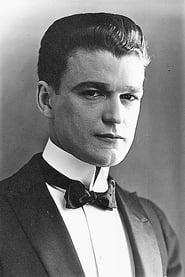
Wallace MacDonald
Actor
Born: May 5, 1898 in Mulgrave, Nova Scotia, Canada Died: October 30, 1978 Active: 1914-1959 Birth Name: Wallace Archibald MacDonald
Films
10 films


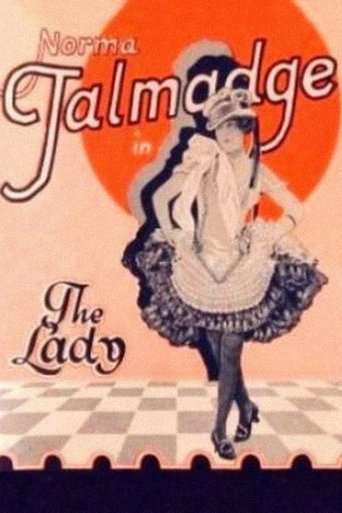
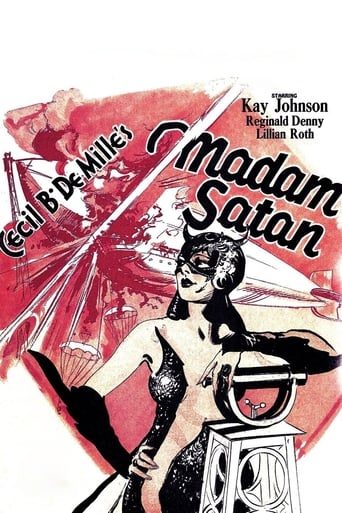
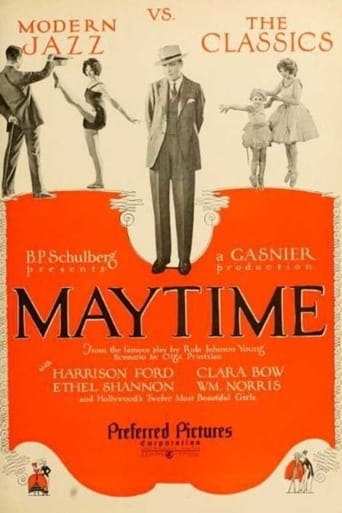
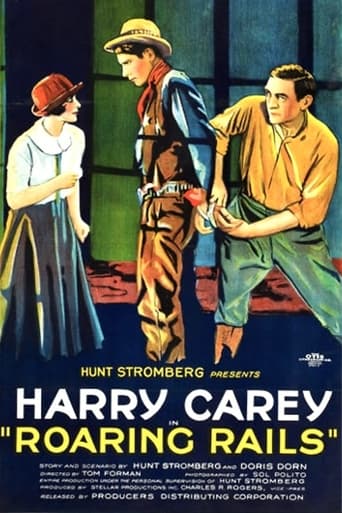
About Wallace MacDonald
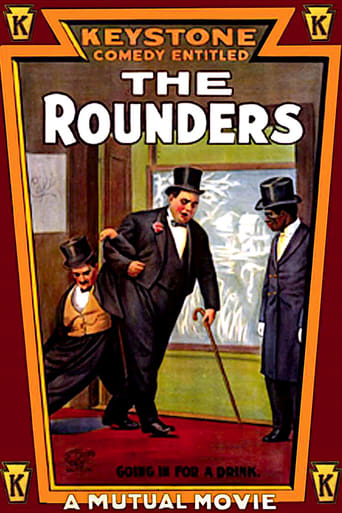
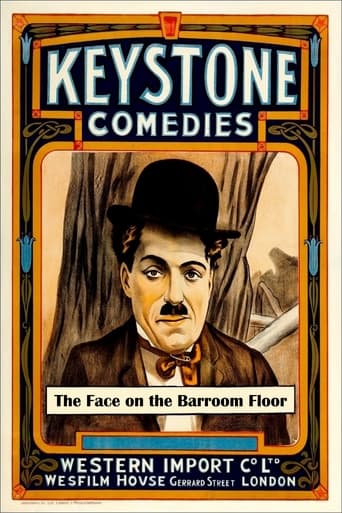
Wallace Archibald MacDonald — Canadian-American actor who rose to prominence during the silent film era, beginning his career at Mack Sennett's Keystone Studios in 1914. Wallace appears alongside Charlie Chaplin in several classic short comedies including 'Mabel's Blunder,' 'The Rounders,' 'The Star Boarder,' and 'The Face on the Barroom Floor,' establishing himself as a reliable supporting player in early Hollywood comedies. Throughout the 1910s and 1920s, MacDonald continued acting in numerous silent films, including the notable adventure film 'The Sea Hawk' in 1924, showcasing his versatility beyond comedy. As the sound era approached, MacDonald made a successful transition from acting to producing, eventually becoming one of Columbia Pictures' most respected producers. His production from the 1930s through the 1950s, during which he oversaw numerous successful films and helped shape Columbia's reputation for quality productions. MacDonald's remarkable journey from Keystone comedy player to influential studio executive exemplifies the adaptability required for longevity in Hollywood's changing landscape. He retired from the film industry in the late 1950s, leaving behind a dual legacy as both a silent film performer and a behind-the-scenes power player.
The Craft
On Screen
MacDonald was known for his expressive physical comedy and supporting roles in silent films, often playing the straight man or comic relief with exaggerated gestures and facial expressions typical of the Keystone comedy style.
Milestones
- Started at Keystone Studios in 1914
- Appeared in multiple Charlie Chaplin shorts
- Transitioned to film producer in the 1930s
- Became head producer at Columbia Pictures
- Produced over 100 films during his production career
Best Known For
Iconic Roles
Must-See Films
Accolades
Special Recognition
- Hollywood Walk of Fame star for contributions to motion pictures
Working Relationships
Worked Often With
Studios
Why They Matter
Impact on Culture
Wallace MacDonald represents the archetype of early Hollywood adaptability, successfully transitioning from the chaotic world of silent comedy to the structured environment of studio production. His early work with Charlie Chaplin and at Keystone Studios contributed to the development of American film comedy during its formative years. As a producer at Columbia Pictures, MacDonald helped establish the studio's reputation for producing quality films on modest budgets, contributing to Hollywood's Golden Age of studio production.
Lasting Legacy
MacDonald's dual legacy encompasses both his contributions to silent film comedy and his significant impact as a producer during Hollywood's golden era. His early appearances in Chaplin films make him part of cinema's most influential early works, while his production career at Columbia Pictures helped shape one of Hollywood's major studios. He exemplifies the path many early film professionals took from on-screen performance to behind-the-scenes power, demonstrating the industry's evolution and the opportunities for reinvention.
Who They Inspired
As a producer, MacDonald influenced the careers of many actors and directors by greenlighting projects and providing creative guidance at Columbia Pictures. His business approach to filmmaking, balancing artistic merit with commercial viability, became a model for studio production methods. His early comedy work with Chaplin contributed to the language of film comedy that would influence generations of performers.
Off Screen
Wallace MacDonald married actress Doris Pawn in 1920, and they had one child together. The couple divorced in 1926. He later married actress and screenwriter Faith Thomas in 1930, with whom he remained until his death. MacDonald was known for his business acumen and maintained a reputation as one of Hollywood's more stable and respected producers during his tenure at Columbia.
Education
Limited formal education, began working in films as a young man after moving to the United States
Family
- Doris Pawn (1920-1926)
- Faith Thomas (1930-1978)
Did You Know?
- Started his film career earning just $3 per day at Keystone Studios
- Appeared in 4 different Charlie Chaplin films in 1914 alone
- Was one of the few Keystone actors to successfully transition to producing
- Produced the 'Blondie' film series at Columbia Pictures
- Served as president of the Producers Guild of America from 1951-1952
- Was known for his excellent memory regarding film budgets and production details
- Helped discover and develop the careers of several actors at Columbia
- Retired from Columbia Pictures in 1959 after 25 years as a producer
- Maintained Canadian citizenship throughout his Hollywood career
- His production company at Columbia was responsible for over 100 feature films
In Their Own Words
The key to successful producing is knowing when to say yes and when to say no - and having the courage to stand by your decisions.
Working with Chaplin taught me more about timing and comedy than any book could ever teach.
Frequently Asked Questions
Who was Wallace MacDonald?
Canadian-American with credits in this catalog.
What films is Wallace MacDonald best known for?
Titles linked here include Mabel's Blunder (1914), The Rounders (1914).
When was Wallace MacDonald born and when did he die?
Born May 5, 1898; died October 30, 1978.
What awards did Wallace MacDonald win?
While MacDonald didn't receive major competitive awards during his career, he was honored with a star on the Hollywood Walk of Fame for his significant contributions to the motion picture industry as both an actor and producer.
What was Wallace MacDonald's acting style?
MacDonald's acting style was typical of Keystone comedy performers, featuring exaggerated physical gestures, expressive facial work, and the ability to play both comic relief and straight man roles in fast-paced silent comedies.
How did Wallace MacDonald transition from acting to producing?
MacDonald gradually moved behind the scenes in the late 1920s as the sound era began, leveraging his industry experience and business acumen to become a producer at Columbia Pictures in the 1930s, where he enjoyed great success for over 25 years.
What was Wallace MacDonald's legacy in Hollywood?
MacDonald's legacy lies in his dual contributions to cinema history: as a participant in the birth of film comedy with Chaplin, and as a key producer who helped establish Columbia Pictures as a major Hollywood studio during its golden age.