
Minta Durfee
Actor
Born: October 1, 1889 in Los Angeles, California, USA Died: October 9, 1981 Active: 1913-1949 Birth Name: Armenta Delores Durnford
Films
25 films
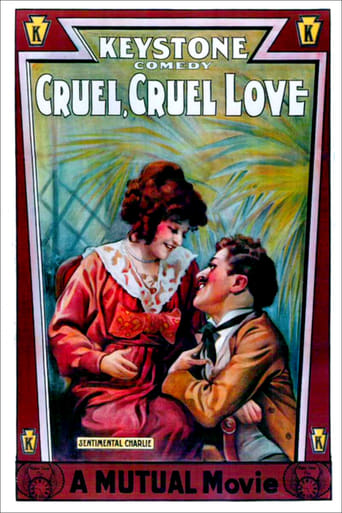
Cruel, Cruel Love
1914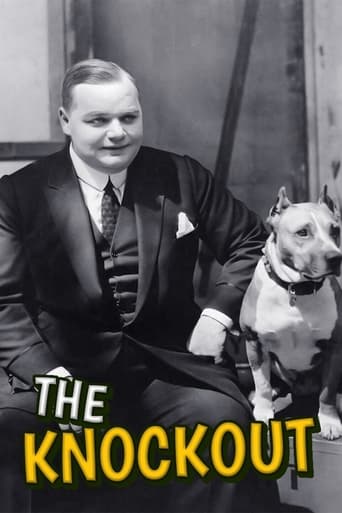
The Knockout
1914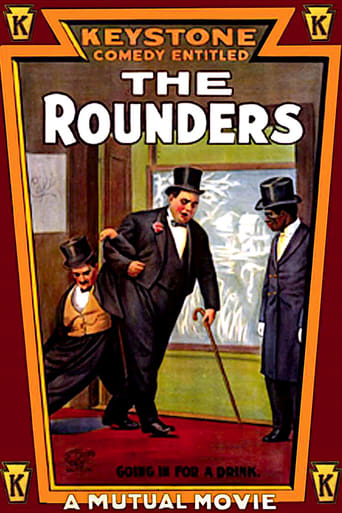
The Rounders
1914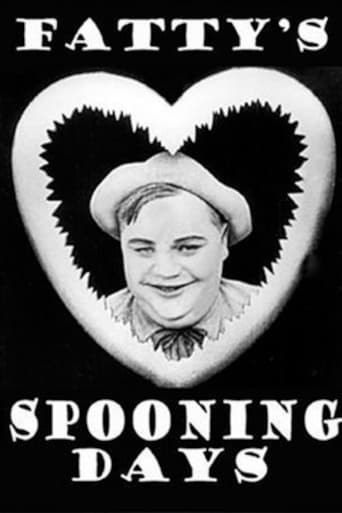
Mabel, Fatty and the Law
1915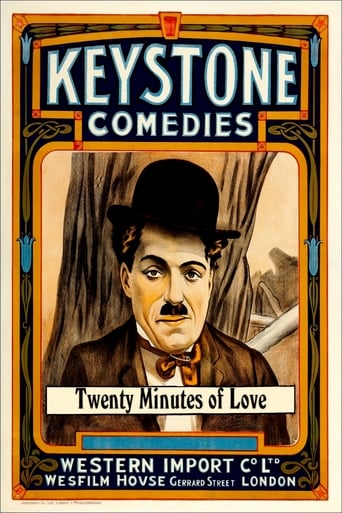
Twenty Minutes of Love
1914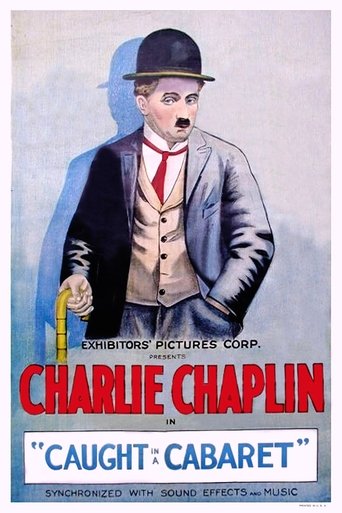
Caught in a Cabaret
1914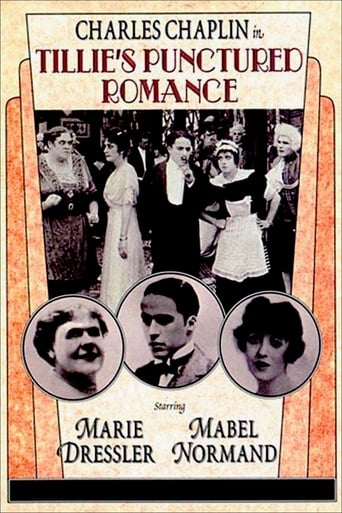
Tillie's Punctured Romance
1914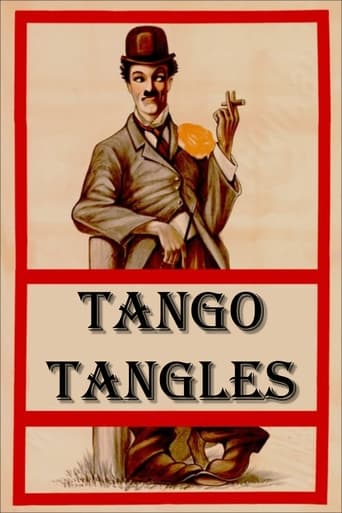
Tango Tangles
1914
The Star Boarder
1914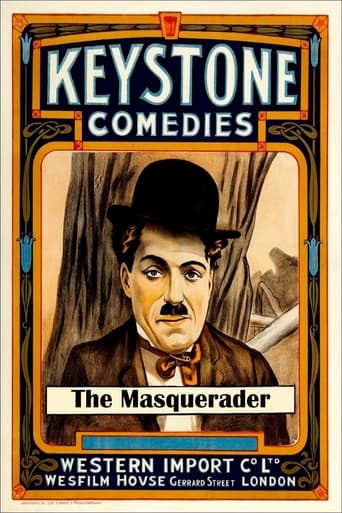
The Masquerader
1914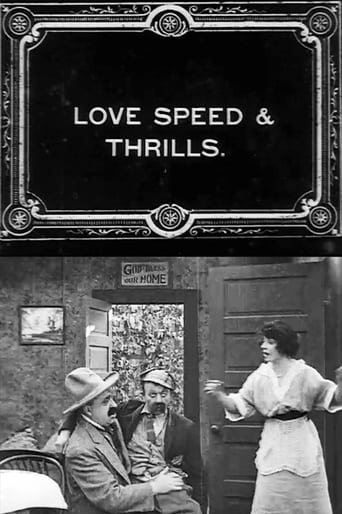
Love, Speed and Thrills
1915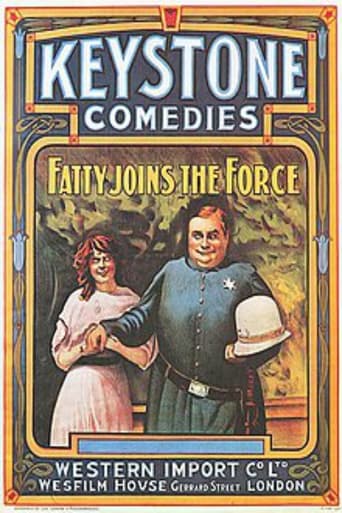
Fatty Joins the Force
1913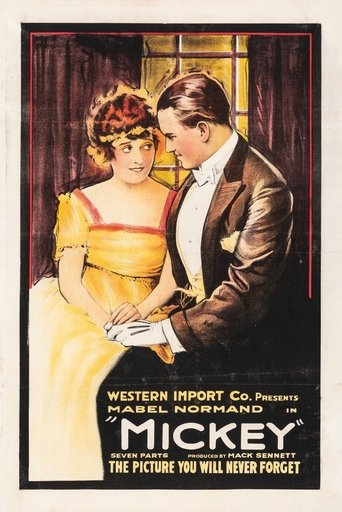
Mickey
1918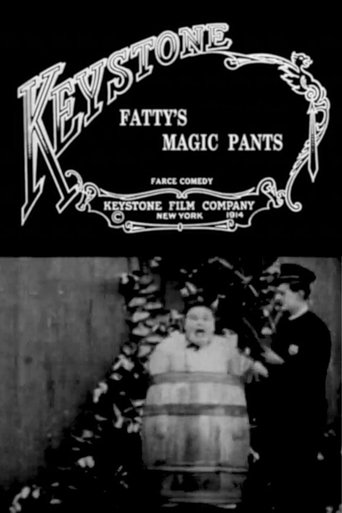
Fatty's Magic Pants
1914
A Flirt's Mistake
1914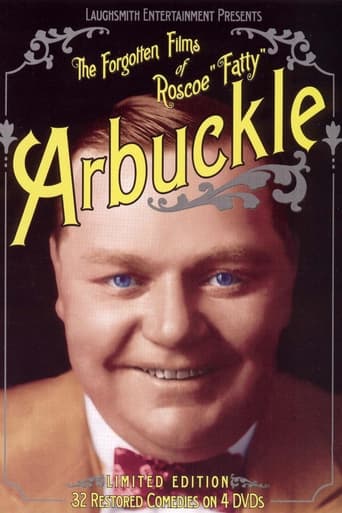
Fatty’s Chance Acquaintance
1915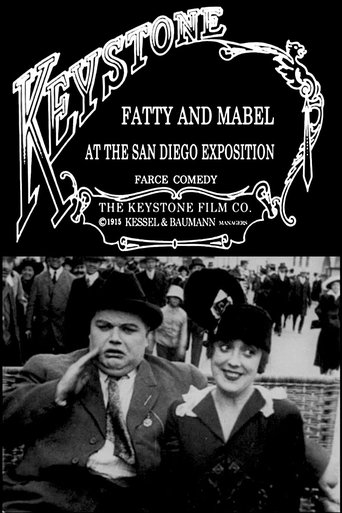
Fatty and Mabel at the San Diego Exposition
1915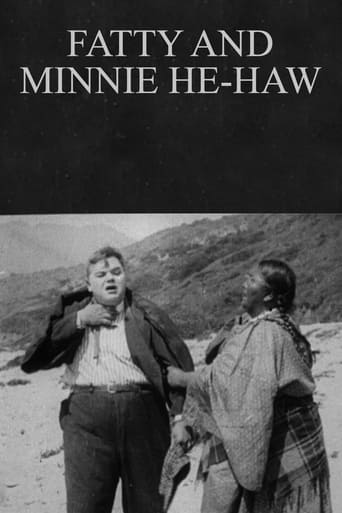
Fatty and Minnie He-Haw
1914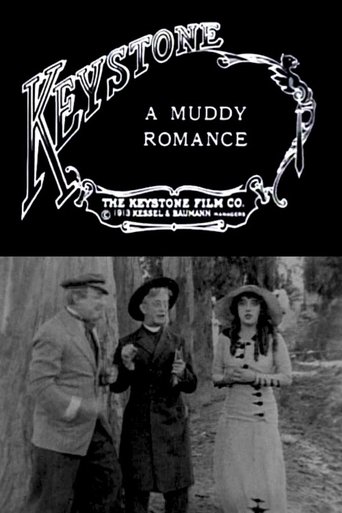
A Muddy Romance
1913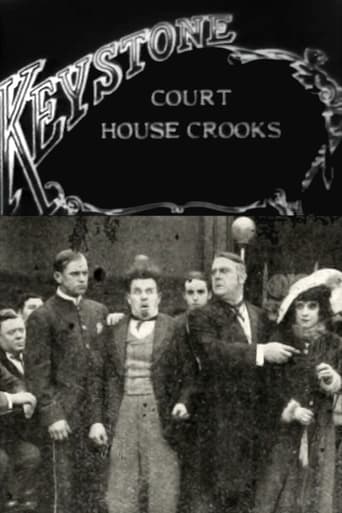
Court House Crooks
1915 Leading Lizzie Astray
1914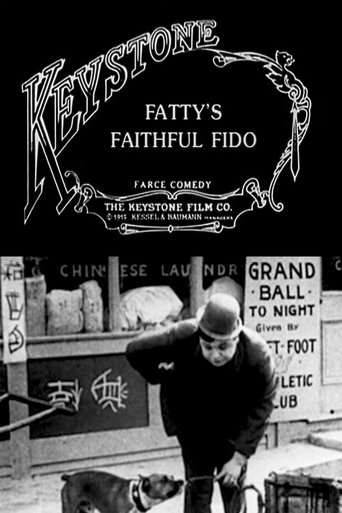
Fatty’s Faithful Fido
1915 Fatty’s Reckless Fling
1915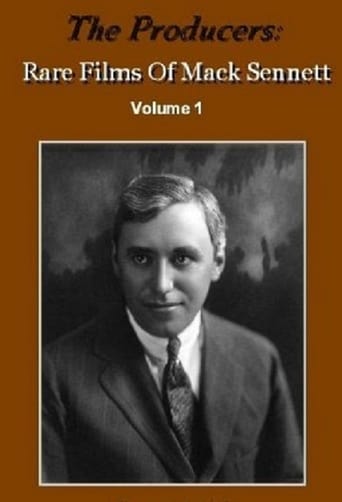
A Bird's a Bird
1915About Minta Durfee
American actress of the silent film era who began her career in the early 1910s as one of the original Keystone Kops comedians. She discovered her passion for performing while working as a secretary and quickly transitioned into acting, joining Mack Sennett's Keystone Studios where she met and married fellow comedian Roscoe 'Fatty' Arbuckle. Durfee appeared in numerous short comedies between 1913 and 1918, often playing alongside Arbuckle and other comedy legends like Charlie Chaplin and Mabel Normand. After her divorce from Arbuckle in 1925, she continued acting in smaller roles through the 1930s and 1940s, appearing in both silent films and early talkies. Despite her reduced screen time in later years, she remained connected to Hollywood and served as a valuable source for film historians documenting the silent era. Her over three decades, witnessing the transition from silent films to sound cinema. Durfee's contributions to early comedy helped establish the foundation for American film comedy, and she lived to see the rediscovery and appreciation of silent films by new generations.
The Craft
On Screen
Durfee specialized in slapstick comedy and physical humor typical of the Keystone Studios style. She was known for her expressive face, athletic abilities in chase scenes, and willingness to perform dangerous stunts. Her acting was exaggerated and broad, as required by silent film conventions, but she brought a natural charm and likability to her roles. She often played the romantic interest or the spunky heroine who could hold her own against the male comedians.
Milestones
- One of the original Keystone Studios actresses
- Married to Roscoe 'Fatty' Arbuckle during his peak fame years
- Appeared in over 200 short comedies during the silent era
- Worked alongside Charlie Chaplin in early films
- Transitioned from silent films to talkies
- Served as a historical source for silent film documentation in her later years
Best Known For
Iconic Roles
Must-See Films
Accolades
Special Recognition
- Hollywood Walk of Fame star (for contributions to motion pictures)
Working Relationships
Worked Often With
Studios
Why They Matter
Impact on Culture
Minta Durfee was part of the foundational generation of American film comedians who established the language of screen comedy. As one of the few women in the male-dominated world of early slapstick, she helped create space for women in comedy performance. Her work at Keystone Studios contributed to the development of the comedy short film format that would dominate American cinema for decades. Durfee's presence in films with Charlie Chaplin during his first year at Keystone makes her part of the historical record of one of cinema's greatest artists' early development. Her longevity allowed her to serve as a living link to the silent era for later generations of filmmakers and scholars.
Lasting Legacy
Minta Durfee's legacy lies in her role as a pioneer of American film comedy and as one of the few actresses who successfully transitioned from the Keystone era to later periods of Hollywood history. She represents the often-overlooked contributions of women to early film comedy, which was dominated by male performers. Her marriage to and support of Roscoe Arbuckle during his career and scandal provides important historical context about the personal lives of silent film stars. As one of the last surviving Keystone actors, her interviews and recollections in her later years became invaluable resources for film historians documenting the early days of Hollywood. Her career trajectory also illustrates the challenges faced by silent film actors as the industry evolved and talkies emerged.
Who They Inspired
Durfee influenced subsequent generations of comedic actresses by demonstrating that women could successfully participate in physical comedy and slapstick routines. Her work helped establish the archetype of the capable, spunky heroine in comedy films. Her willingness to perform dangerous stunts and participate in chase scenes set a precedent for actresses in action comedy. Her longevity in the industry, spanning from the earliest days of Hollywood through the studio system era, provided a model of adaptability for performers facing technological and industry changes.
Off Screen
Minta Durfee married Roscoe 'Fatty' Arbuckle in 1908, long before his rise to stardom, and they remained married until their divorce in 1925, which was finalized after Arbuckle's highly publicized scandal. Despite the difficult circumstances of their separation, Durfee spoke fondly of Arbuckle in later years and defended him against the accusations that ruined his career. She never remarried and had no children. In her later years, she lived modestly in Los Angeles and occasionally appeared in small film roles or as an extra. She maintained friendships with other silent film veterans and was frequently interviewed by film historians and documentarians.
Education
Limited formal education, primarily self-taught in acting and performance arts
Family
- Roscoe 'Fatty' Arbuckle (1908-1925)
Did You Know?
- She was one of the original Keystone Kops before they became an all-male group
- Her real name was Armenta Delores Durnford, which she shortened to Minta Durfee for her stage name
- She appeared in Charlie Chaplin's very first film 'Making a Living' (1914) in an uncredited role
- She was only 19 when she married Roscoe Arbuckle, who was 21 at the time
- Despite their divorce, she remained friends with Arbuckle and testified in his defense during his scandal trials
- She lived to be 92 years old, outliving most of her silent film contemporaries
- She worked as a telephone operator before discovering acting
- She was known for performing her own stunts, including dangerous falls and chases
- In her later years, she worked as an extra in films like 'Sunset Boulevard' (1950) and 'The Greatest Show on Earth' (1952)
- She was one of the few people who knew both the young Charlie Chaplin and the established legend he became
In Their Own Words
In the old days, we made our own fun. We didn't need scripts or fancy sets - just a camera and some crazy ideas.
Fatty was a gentle soul, despite what people said. He was kind to everyone and never deserved what happened to him.
Working at Keystone was like being part of a big, crazy family. We were all young and having the time of our lives, making movies up as we went along.
People don't realize how hard we worked in those days. We'd sometimes make three or four pictures in a week, and we did our own stunts too.
Frequently Asked Questions
Who was Minta Durfee?
American actress from the silent film era who worked primarily at Keystone Studios. She was one of the women in early film comedy and appeared in numerous short comedies alongside stars like Roscoe 'Fatty' Arbuckle and Charlie Chaplin. Her active years covered from 1913 through the 1940s, making her one of the few performers who worked across multiple eras of Hollywood history.
What films is Minta Durfee best known for?
Titles linked here include Fatty Joins the Force (1913), A Muddy Romance (1913).
When was Minta Durfee born and when did she die?
Born October 1, 1889; died October 9, 1981.
What awards did Minta Durfee win?
Minta Durfee did not receive major film awards during her career, which was common for actors in the early silent era. However, she was honored with a star on the Hollywood Walk of Fame for her contributions to motion pictures. Her greatest recognition came later in life as film historians and preservationists acknowledged the importance of her work in early American comedy.
What was Minta Durfee's acting style?
Minta Durfee specialized in the broad, physical comedy style characteristic of Keystone Studios productions. Her acting featured exaggerated facial expressions, athletic movement, and willingness to perform dangerous stunts. She brought natural charm to her roles and often played spunky heroines who could hold their own in chase scenes and slapstick routines alongside male comedians.
How was Minta Durfee connected to Roscoe Arbuckle?
Minta Durfee was married to Roscoe 'Fatty' Arbuckle from 1908 to 1925, long before and during his rise to stardom. They frequently appeared together in films and were one of Hollywood's power couples during the early 1910s. Despite their divorce before his infamous scandal, Durfee remained supportive of Arbuckle and testified in his defense during his trials.