
Fatty’s Chance Acquaintance
"Fatty and his domineering wife visit the park"
Keys: Space play/pause · ←/→ 10s · F fullscreen · M mute · </> speed
About this film
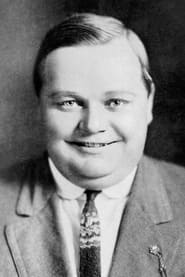
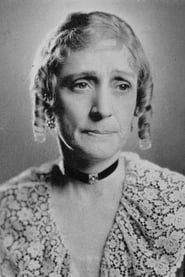
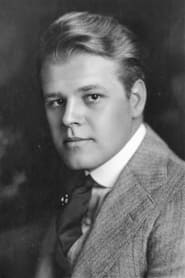
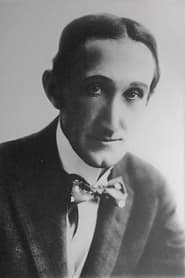
Fatty and his domineering wife visit the park, where they encounter a pair of pickpockets.
Cast & crew
More films like this
More Comedy films
View all →







More from Roscoe 'Fatty' Arbuckle
View all →
More about this film
About the production
Release dateFebruary 1915
ProductionKeystone Film Company
Filmed inLos Angeles, California, Edendale Studio District
This was one of many comedy shorts Roscoe Arbuckle produced and directed during his prolific period at Keystone Studios. The film was shot quickly, typical of Keystone's factory-like production system where comedies were often completed in just a few days. Arbuckle was given considerable creative freedom during this period, allowing him to experiment with different comedic scenarios and physical gags. The park setting was a common backdrop for Keystone comedies, providing natural lighting and opportunities for public reactions to the filming.
Themes
Marital discord and domestic comedyCrime and punishment in urban settingsMistaken identity and misunderstandingsSocial class dynamicsThe everyman hero
Themes & topics
Historical background
Fatty’s Chance Acquaintance (1915) circulated in the silent era. Fatty and his domineering wife visit the park, where they encounter a pair of pickpockets Contemporary trade papers and later preservation notes document its place among nickelodeon and cinema-club programs.
Why this film matters
Fatty’s Chance Acquaintance remains accessible to researchers and viewers as a comedy short in museum, archive, and streaming collections. Programmers cite it when tracing regional production history and surviving early prints.
Making of
The production of 'Fatty's Chance Acquaintance' took place during the golden age of Keystone Studios, when Mack Sennett's comedy factory was churning out dozens of shorts each month. Arbuckle, who had joined Keystone in 1913, had by 1915 become one of the studio's biggest stars and was given increasing creative control, often directing his own films. The park setting was chosen not only for its visual appeal but also for the practical advantages of natural lighting and the potential for authentic crowd reactions. The pickpocket storyline allowed for the kind of physical comedy and chase sequences that were Keystone's trademark. The film was likely shot with a single camera, typical of the era, with minimal retakes due to the rapid production schedule. Arbuckle's physical comedy style, which relied more on agility and timing than just his size, was well-established by this point in his career.
What critics said
Day-one reviews for Fatty’s Chance Acquaintance are sparse in digitized press archives; later criticism treats it as a reference point for 1915 cinema programming and preservation.
Did you know?
- This film was released during Arbuckle's most productive period at Keystone, where he was making dozens of shorts per year
- The park scenes were likely filmed at Echo Park or another Los Angeles public park, a common practice for Keystone productions
- Billie Bennett was a frequent Arbuckle co-star, appearing in numerous Keystone comedies during 1914-1915
- Harry McCoy, who plays one of the pickpockets, was also a prolific comedy actor who later became a writer for Mack Sennett
- The film was part of the 'Fatty' comedy series that helped establish Arbuckle as a major silent comedy star
- Like many Keystone shorts, this film was probably shot in just 1-2 days, reflecting the rapid production schedule of the era
- The pickpocket theme was a common trope in early comedy shorts, allowing for visual gags and chase sequences
- This film predates Arbuckle's feature film career, representing his work in the short-form comedy format that dominated early cinema
Visual style
The cinematography in this film would have been typical of Keystone productions in 1915. Shot on black and white 35mm film, the camera work was functional rather than artistic, focusing on clearly capturing the action and gags. The park setting would have utilized natural light, a common practice for outdoor scenes. The camera was likely static for most scenes, with the occasional pan to follow action. Long takes would have been preferred to minimize editing and maintain the continuity of physical comedy. The framing would have been relatively wide to ensure all performers and their actions were visible, crucial for slapstick comedy. No special effects or elaborate camera movements would have been employed, reflecting the straightforward approach of Keystone productions.
Innovations
This film does not represent any significant technical achievements in cinema history. It employs the standard techniques and technology available to American filmmakers in 1915. The film was likely shot using a standard hand-cranked camera of the era, possibly a Bell & Howell 2709, which was becoming popular in the industry. The editing would have been straightforward, using simple cuts between scenes. The film stock would have been orthochromatic, which was sensitive to blue and green light but not red, affecting the tonal range of the image. Like most Keystone shorts, the focus was on efficient production and clear presentation of gags rather than technical innovation. The film's technical aspects were entirely functional, serving the comedy without drawing attention to the filmmaking process itself.
Music
As a silent film, 'Fatty's Chance Acquaintance' had no synchronized soundtrack. During its original theatrical run, musical accompaniment would have been provided live in the theater, typically by a pianist or small orchestra. The music would have been selected from standard compilations of mood music, with upbeat, playful tunes accompanying the comic scenes and more dramatic music for the pickpocket sequences. The specific musical choices would have been left to the individual theater's musician or musical director. No original composed score was created for this short, as was typical for comedy productions of this era. The film might have included title cards with dialogue or scene descriptions, but these would have been minimal given the visual nature of the comedy.
Memorable scenes
- The opening scene where Fatty is dragged to the park by his domineering wife, establishing their relationship dynamic
- The sequence where the pickpockets work through the crowd, showcasing their criminal techniques
- The climactic chase scene through the park where Fatty accidentally helps capture the thieves while trying to save himself
- The final scene where Fatty attempts to explain the events to his increasingly suspicious wife
What audiences thought
Like most Keystone shorts of the period, 'Fatty's Chance Acquaintance' was likely well-received by contemporary audiences who flocked to nickelodeons and early movie theaters. Arbuckle was a major star by 1915, and his films were guaranteed draws. The mix of physical comedy, relatable situations (the henpecked husband), and criminal elements (the pickpockets) would have appealed to the broad working-class audience that formed the backbone of early cinema attendance. Audience reactions to Keystone films were often enthusiastic, with laughter and applause common in theaters. The film's success would have been measured by its booking in various theaters and its ability to draw repeat customers, though specific box office figures for individual shorts of this era are rarely documented.
Film connections
Influenced by
- Earlier Keystone comedy shorts
- Mack Sennett's slapstick style
- French and American comedy traditions
- Vaudeville performance styles
- Stage comedy conventions
This film influenced
- Later Arbuckle comedies
- Other Keystone shorts
- Silent era crime comedies
- Park-setting comedy films
Film restoration
The preservation status of 'Fatty's Chance Acquaintance' is uncertain. Like many Keystone shorts from this period, it may be lost or exist only in fragmentary form. The Library of Congress and various film archives have been working to preserve Arbuckle's films, but many of his 1915 shorts remain missing or incomplete. Some Keystone films survive only in truncated versions or as poor-quality prints. If copies do exist, they would likely be in 16mm reduction prints or deteriorating 35mm nitrate stock. The film's survival would depend on whether it was distributed internationally (where archives sometimes preserved American films) or if prints were saved by private collectors. No widely available restored version of this specific film is currently known to exist.
Where to watch
- Currently not widely available on streaming platforms
- May be accessible through film archives or special screenings
- Potentially available in specialized silent film collections
- Could be included in comprehensive Arbuckle or Keystone retrospectives