
Grover Ligon
Actor
Born: February 28, 1888 in Kansas, United States Died: December 6, 1964 Active: 1914-1924 Birth Name: Grover Cleveland Ligon
Films
8 films
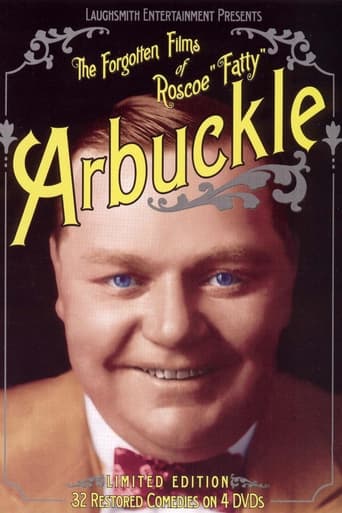
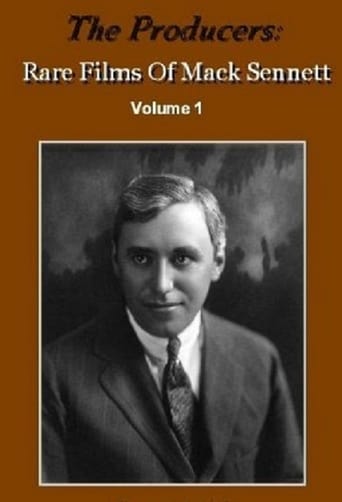
About Grover Ligon
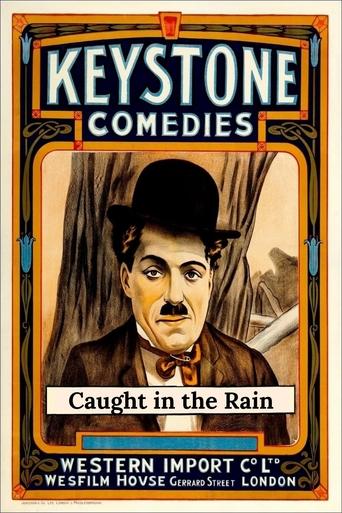
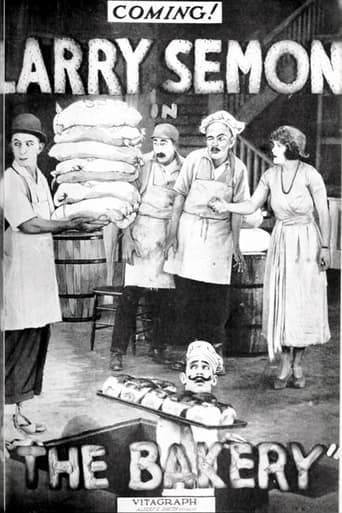
American character actor who flourished during the silent film era, primarily working in comedy shorts for major studios of the period. He began his film career in 1914 with appearances in Keystone comedies, including Charlie Chaplin's debut film 'Making a Living' and 'Caught in the Rain', both directed by Henry Lehrman. Ligon became a familiar face in the comedy circuit, working frequently with Roscoe 'Fatty' Arbuckle in productions like 'Fatty's Chance Acquaintance' (1915) and appearing in numerous Mack Sennett comedies throughout the mid-1910s. His career continued through the 1920s with roles in films like 'The Bakery' (1921), where he often played supporting characters, authority figures, or comic foils to the leading comedians. While never achieving stardom himself, Ligon — reliable supporting player who appeared in dozens of films during the decade-long span of his career. His final known film appearances were in the mid-1920s as the silent era was transitioning to sound, after which he seemingly retired from the film industry. Ligon represents the type of working actor who was essential to the studio system but whose personal details have largely been lost to film history.
The Craft
On Screen
Ligon specialized in broad, physical comedy typical of the silent era, often playing authority figures, policemen, or comic antagonists who would be upended by the film's star comedian. His style emphasized exaggerated facial expressions and slapstick timing, serving as the perfect foil to the more innovative physical comedy of stars like Chaplin and Arbuckle.
Milestones
- Appeared in Charlie Chaplin's film debut 'Making a Living' (1914)
- Regular supporting player in Roscoe Arbuckle comedies
- Worked extensively for Mack Sennett's Keystone Studios
- Appeared in over 50 silent comedy shorts during his career
Best Known For
Iconic Roles
Must-See Films
Working Relationships
Worked Often With
Studios
Why They Matter
Impact on Culture
While not a major star, Grover Ligon contributed to the development of American silent comedy as part of the ensemble that supported comedy legends like Chaplin and Arbuckle. His work in Keystone comedies helped establish the visual language of film comedy that would influence generations of filmmakers. As one of the many character actors who populated early Hollywood, Ligon represents the collaborative nature of silent film production and the importance of supporting players in creating memorable comedy sequences.
Lasting Legacy
Grover Ligon's legacy lies primarily in his contribution to the golden age of silent comedy, particularly his work in the foundational films of Charlie Chaplin's career. His appearances in early Keystone productions make him part of cinema history, even if his name is not widely remembered today. Film historians and silent cinema enthusiasts recognize him as part of the essential supporting cast that helped define the comedy style of the 1910s and early 1920s.
Who They Inspired
Ligon's influence was primarily through his work in establishing comedy tropes and routines that would be copied and refined by later comedians. His portrayals of authority figures being undermined by comic protagonists helped create templates that would be used throughout film comedy history.
Off Screen
Grover Ligon led a relatively private life outside of his film career. After retiring from acting in the mid-1920s, he left the entertainment industry entirely and pursued other business ventures. He married and had children, though details about his family remain scarce in historical records. Ligon spent his later years in California, where he lived until his death in 1964 at the age of 76.
Education
Limited information available, likely received basic education in Kansas before moving to California
Family
- Mildred Ligon (married circa 1915)
Did You Know?
- Appeared in Charlie Chaplin's very first film 'Making a Living' (1914)
- Worked with three of the biggest comedy stars of the silent era: Chaplin, Arbuckle, and Normand
- Was part of the original Keystone Cops ensemble in several films
- His active years covered the entire period when silent comedy was at its peak
- Like many character actors of his era, he often played multiple roles in the same film
- His real first name 'Grover' was shared with President Grover Cleveland
- Worked during the transitional period when film comedy was evolving from stage traditions to cinema-specific techniques
- Appeared in films for multiple studios, showing his versatility as a working actor
- His film career ended just before the transition to sound pictures
- Was one of the hundreds of actors who made up the backbone of Hollywood's studio system
In Their Own Words
No documented quotes from Grover Ligon - typical of supporting actors of the silent era who rarely gave interviews
Frequently Asked Questions
Who was Grover Ligon?
American character with credits in this catalog. He appeared in over 50 films, primarily as a supporting player in comedies for Keystone Studios and with stars like Charlie Chaplin and Roscoe Arbuckle.
What films is Grover Ligon best known for?
Titles linked here include Making a Living (1914), Caught in the Rain (1914).
When was Grover Ligon born and when did he die?
Born February 28, 1888; died December 6, 1964.
What awards did Grover Ligon win?
Grover Ligon did not receive any major awards during his career, which was typical for character actors of the silent era who were often overlooked by award ceremonies of the time.
What was Grover Ligon's acting style?
Ligon specialized in broad, physical comedy typical of silent films, often playing authority figures or comic antagonists. His style featured exaggerated expressions and slapstick timing, serving as the perfect foil to star comedians.
Did Grover Ligon work with Charlie Chaplin?
Yes, Ligon appeared in Charlie Chaplin's very first film 'Making a Living' (1914), making him part of cinema history as a performer in Chaplin's debut.
What happened to Grover Ligon after his film career?
After retiring from acting in the mid-1920s, Ligon left the entertainment industry entirely. He married, had children, and lived in California until his death in 1964, having completely disappeared from public life.